Coffee, a beloved beverage worldwide, can significantly affect how our bodies absorb and process medications. The caffeine in coffee can alter the effectiveness and absorption of various medications, leading to unwanted side effects or even diminished therapeutic outcomes. In this article, we delve into 12 medications that should never be mixed with coffee, offering valuable insights on how caffeine interacts with these drugs and the consequences of such combinations.
Anticoagulants

Anticoagulants, commonly known as blood thinners, play a crucial role in preventing blood clots. However, caffeine from coffee can heighten the effects of these medications, increasing the risk of bleeding. For example, drugs like warfarin (Jantoven) and heparin are vital for those at high risk of clots. Drinking coffee while on blood thinners may amplify the drug’s impact, leading to an elevated risk of internal bleeding or hemorrhagic events.
Antidepressants
While coffee offers a temporary mood boost, it can interfere with antidepressants that treat depression, anxiety, and other mental health conditions. Caffeine can reduce the absorption of these medications, lowering their effectiveness. This is particularly true for medications like fluvoxamine (Luvox), imipramine (Tofranil), and escitalopram (Lexapro). Coffee can also intensify side effects such as heart palpitations or disrupted sleep cycles, making it crucial to monitor caffeine intake when on these medications.
Antipsychotics
Antipsychotic medications are prescribed to manage severe mental health conditions like schizophrenia or major depressive disorder. Combining coffee with antipsychotics such as haloperidol (Haldol) or aripiprazole (Abilify) may reduce the body’s ability to absorb these drugs efficiently. In some cases, it could result in decreased therapeutic benefits. To minimize this risk, it’s advised to space out coffee consumption and medication doses.
Asthma Medications
Asthma medications like bronchodilators (e.g., albuterol) are essential for managing symptoms by relaxing airways and easing breathing. However, consuming coffee while on these drugs can exacerbate side effects such as a rapid heartbeat, anxiety, and restlessness. Furthermore, caffeine may hinder the effectiveness of these medications, limiting their ability to provide adequate relief during an asthma attack.
Blood Pressure Medications
For individuals dealing with high blood pressure, medications like propranolol (Inderal) and metoprolol (Lopressor) are often prescribed. These drugs work by lowering the heart rate and reducing strain on the heart. Caffeine, however, can interfere with the absorption of these medications, decreasing their effectiveness. As a result, individuals on blood pressure medication should consider reducing coffee consumption or adjusting the timing of their doses to avoid negative interactions.
Cholinesterase Inhibitors
Cholinesterase inhibitors such as donepezil (Aricept) are commonly prescribed to individuals with Alzheimer’s disease. These medications work by protecting the brain’s neurotransmitter acetylcholine. However, caffeine reduces the amount of these medications that can reach the brain, potentially undermining their effectiveness. To ensure maximum therapeutic benefits, it’s recommended to avoid drinking coffee with these drugs.
Cold and Allergy Medications
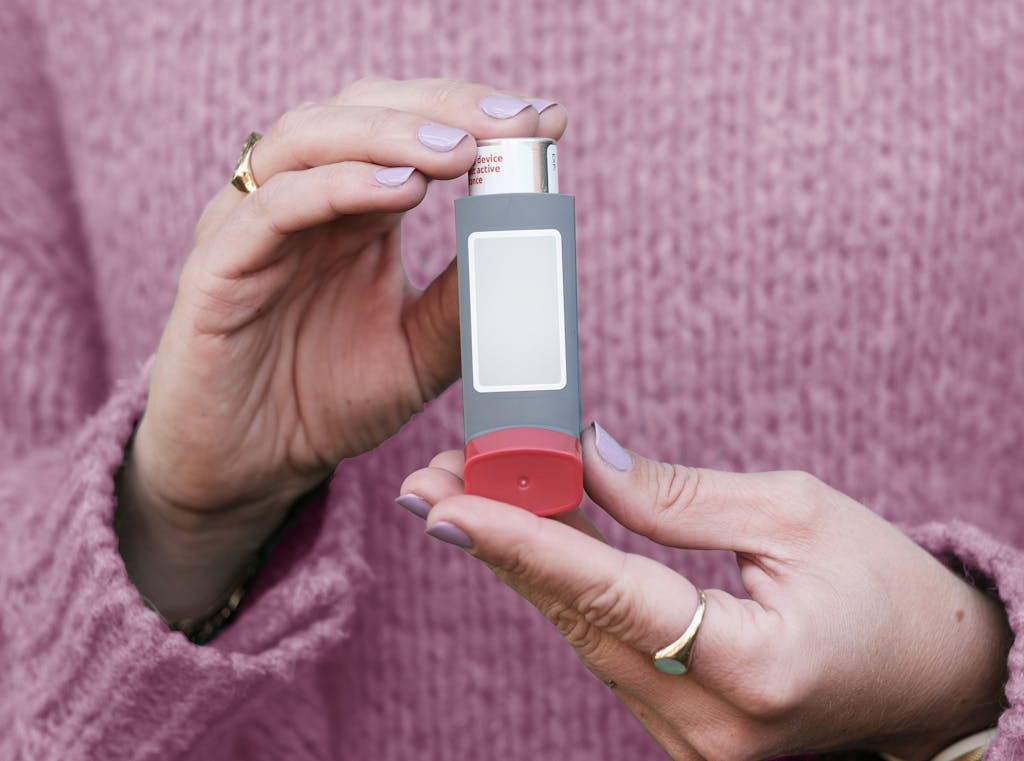
Cold and allergy medications often contain pseudoephedrine, a stimulant similar to caffeine. When combined with coffee, the effects of pseudoephedrine are intensified, leading to heightened restlessness, insomnia, and increased heart rate. Medications like Sudafed (pseudoephedrine) and Allegra (fexofenadine) should never be taken with coffee to prevent these unpleasant side effects.
Diabetes Medications
Caffeine has the potential to disrupt glucose control and worsen diabetes symptoms. Drinking excessive coffee while on diabetes medication may elevate blood sugar levels and increase insulin resistance. Medications such as metformin (Glucophage) may not be as effective when combined with caffeine, making it harder to manage diabetes effectively. Moderating coffee intake is critical for individuals seeking to maintain stable blood sugar levels.
Methotrexate
Methotrexate is a chemotherapy drug used in the treatment of cancer and autoimmune diseases. However, when combined with caffeine, it can increase the concentration of methotrexate in the bloodstream, potentially heightening its toxic effects. If you’re undergoing chemotherapy or taking methotrexate for another condition, consult your healthcare provider about limiting your coffee intake to reduce this risk.
Osteoporosis Medications

Osteoporosis medications like ibandronate (Boniva) and risedronate (Actonel) are crucial for strengthening bones and reducing the risk of fractures. However, drinking coffee with these drugs can affect their absorption, reducing their effectiveness. To ensure optimal bone health, these medications should be taken with water only, and coffee should be avoided around the time of dosing.
Quinolone Antibiotics
Quinolone antibiotics such as ciprofloxacin (Cipro) are commonly prescribed to treat bacterial infections. Drinking coffee with these antibiotics can amplify caffeine’s stimulating effects, increasing the likelihood of side effects such as heart palpitations, jitteriness, and restlessness. To optimize antibiotic efficacy and minimize side effects, it is recommended to avoid coffee while taking quinolone antibiotics.
Thyroid Medications
Thyroid medications like levothyroxine (Synthroid) are used to treat hypothyroidism by regulating the production of thyroid hormones. Caffeine can interfere with the absorption of these drugs, reducing their effectiveness by up to 50%. To ensure your thyroid medication works as intended, it is advised to avoid coffee for at least 30 minutes before or after taking these medications.
Conclusion
The combination of coffee with certain medications can have a serious impact on the effectiveness of treatment and lead to unwanted side effects. If you are taking any of the medications mentioned above, it’s essential to speak with your healthcare provider or pharmacist about the best approach to managing caffeine consumption. In many cases, adjusting the timing of your coffee intake or limiting its consumption can help mitigate the risks of drug interactions. Remember, when in doubt, always prioritize your health and consult with a professional to ensure the best possible outcome.