Keeping your kitchen spotless is a cornerstone of a healthy home, but even experienced homeowners often adopt habits that damage surfaces, spread germs, or shorten appliance lifespans. What seems like thorough cleaning may be doing more harm than good. From abrasive scrubbing to neglected hidden areas, many common routines silently compromise hygiene, efficiency, and safety. Understanding these mistakes helps you clean smarter, protect your home, and preserve the value of your kitchen investments.
Here’s a detailed breakdown of 15 common kitchen cleaning mistakes:
Using Harsh Chemicals on Every Surface
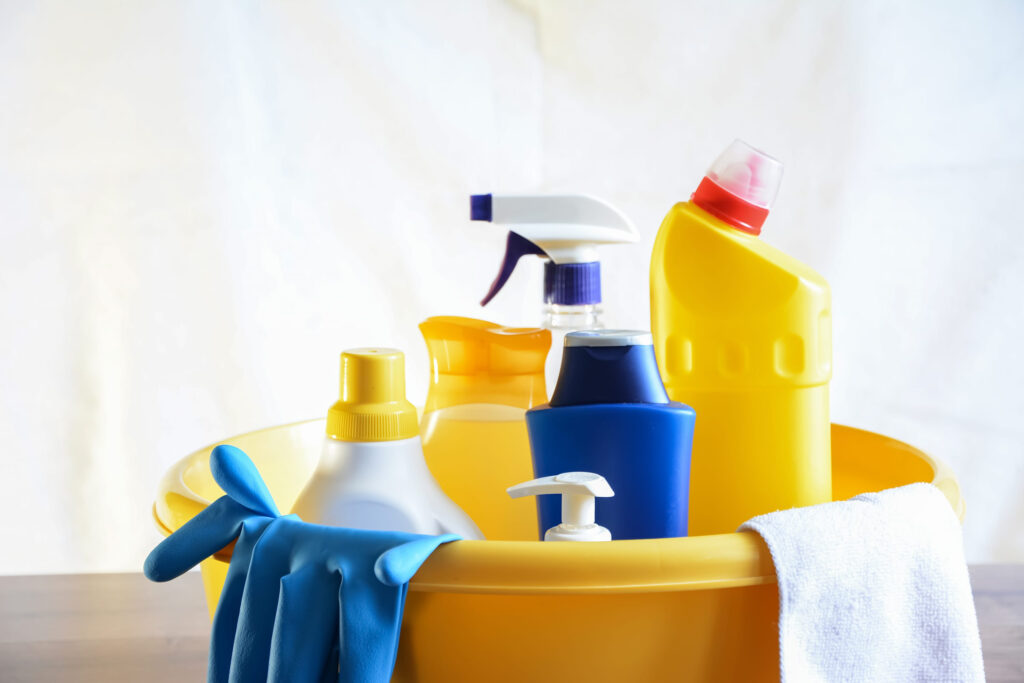
It’s tempting to assume that the strongest cleaner equals the best result, but using harsh chemicals indiscriminately can cause lasting damage. Many all-purpose sprays and heavy-duty cleaners contain abrasive or corrosive ingredients designed for tough jobs, such as degreasing ovens or disinfecting floors. While effective on some surfaces, they can strip protective coatings, fade sealants, or leave a dull film on delicate countertops, cabinetry, and stainless steel.
Over time, repeated exposure weakens finishes and makes surfaces more prone to scratches, stains, and discoloration. Using chemicals unnecessarily also increases indoor air pollution, leaving lingering odors that can irritate skin and respiratory systems. The key is to match the cleaner to the surface: mild, pH-balanced cleaners often remove dirt and grime without causing long-term damage.
Scrubbing Countertops with Abrasive Pads
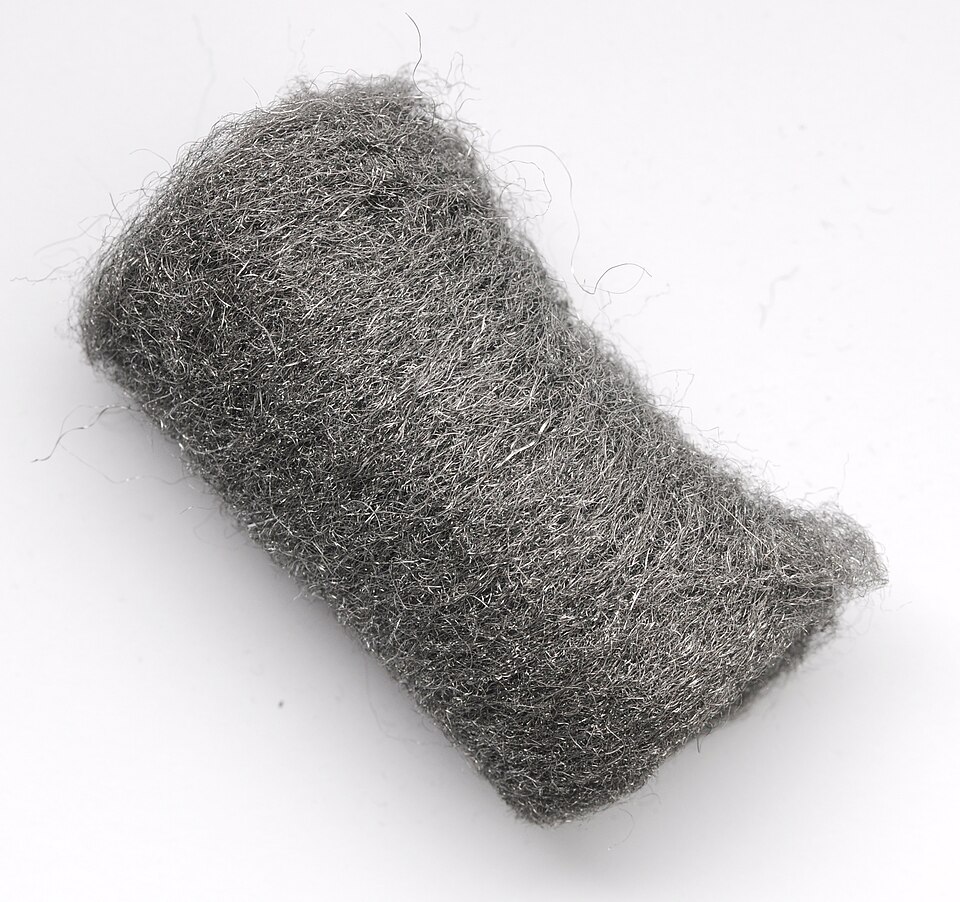
Scrubbing pads and steel wool can feel satisfying, especially when tackling stubborn messes, but they create micro-scratches that dull surfaces and trap bacteria over time. Even quartz, laminate, and enamel countertops can be damaged by abrasive scrubbing, which gradually removes protective coatings and leaves surfaces vulnerable to stains and wear.
Repeated scratches become breeding grounds for germs, making it harder to achieve true cleanliness. Microfiber cloths or soft sponges, combined with appropriate cleaners, provide effective cleaning while preserving the integrity of your surfaces. Gentle tools prevent irreversible damage and maintain your kitchen’s polished look longer.
Letting Spills Sit Too Long
A quick spill of coffee, juice, or cooking oil may seem minor, but allowing it to remain on surfaces creates hidden damage over time. Sugars and acids in spilled liquids can etch natural stone, discolor wood, or corrode metal finishes, leaving permanent marks if not cleaned promptly.
Over time, dried spills become more difficult to remove, often requiring stronger cleaners that may further damage the surface. Immediate cleanup prevents these long-term effects, preserves material integrity, and keeps the kitchen hygienic. Wiping spills as soon as they occur also reduces the risk of attracting pests like ants or fruit flies.
Ignoring Faucet Handles and Cabinet Knobs
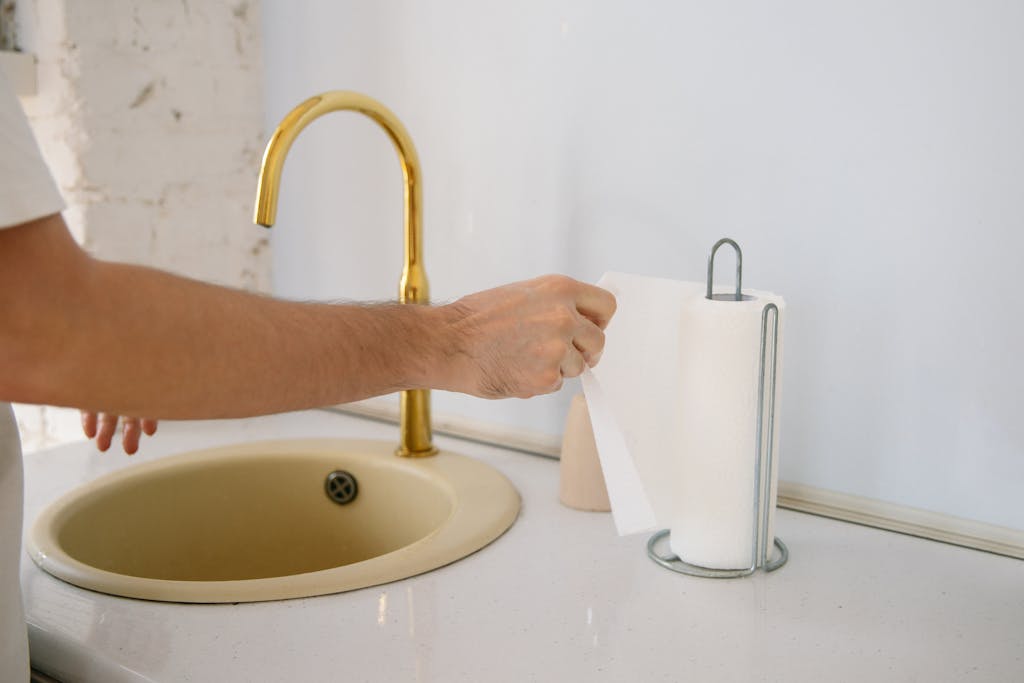
High-touch areas like faucets, cabinet pulls, and handles are often overlooked during routine cleaning, but they are hotspots for bacteria and grease buildup. These areas are frequently touched, transferring germs, oils, and residue from hands to surfaces that come into contact with food.
Neglecting them allows bacteria to multiply and can spread contamination to your countertops and dishes. Cleaning them regularly with a mild disinfectant, particularly in crevices where grime accumulates, reduces bacterial load and prevents odor buildup, ensuring your kitchen is sanitary from top to bottom.
Cleaning Stainless Steel the Wrong Way
Stainless steel appliances look sleek, but improper cleaning can leave streaks and scratches and diminish their reflective finish. Wiping in the wrong direction or using paper towels can create tiny scratches that collect fingerprints and grime over time. Harsh chemicals can also strip oils and protective coatings, leaving the surface dull and prone to corrosion.
The correct approach is to use stainless steel-specific cleaners and soft microfiber cloths, wiping in the direction of the grain to maintain shine. This simple adjustment preserves both the appearance and longevity of your appliances.
Over-Applying Cleaner
Using more cleaning products than necessary doesn’t make surfaces cleaner; it can actually cause residue buildup. Excess detergent or spray can leave a sticky layer that attracts dust and grease, creating a cycle where surfaces appear dirtier faster. On tiles, counters, and glass, residues can form streaks or discoloration, requiring additional cleaning to remove.
Diluting concentrated cleaners and thoroughly rinsing ensures surfaces remain spotless, without leaving traces that compromise hygiene or aesthetics.
Neglecting the Sink Drain and Disposal
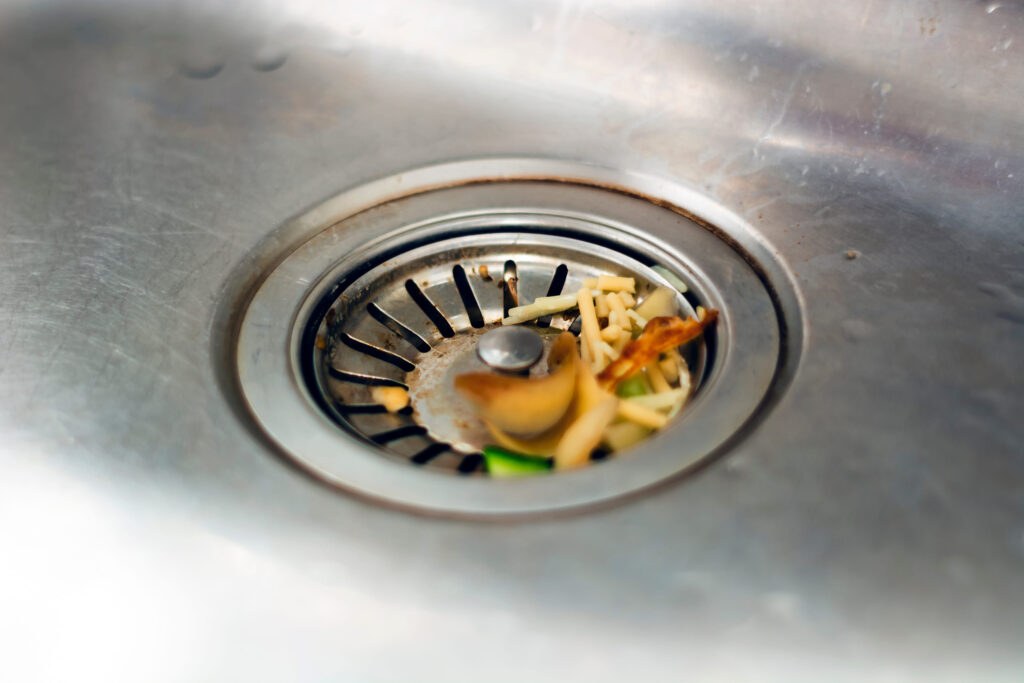
Even the cleanest dishes can’t compensate for a neglected sink or garbage disposal. Food particles and grease accumulate in drains, creating odor, bacterial growth, and clogs that can spread contamination. Over time, this buildup reduces water flow and increases wear on your plumbing.
Regular maintenance, including flushing with boiling water, scrubbing the drain stopper, and occasionally grinding citrus peels in the disposal, keeps the area clean, odor-free, and fully functional.
Using Bleach on Everything
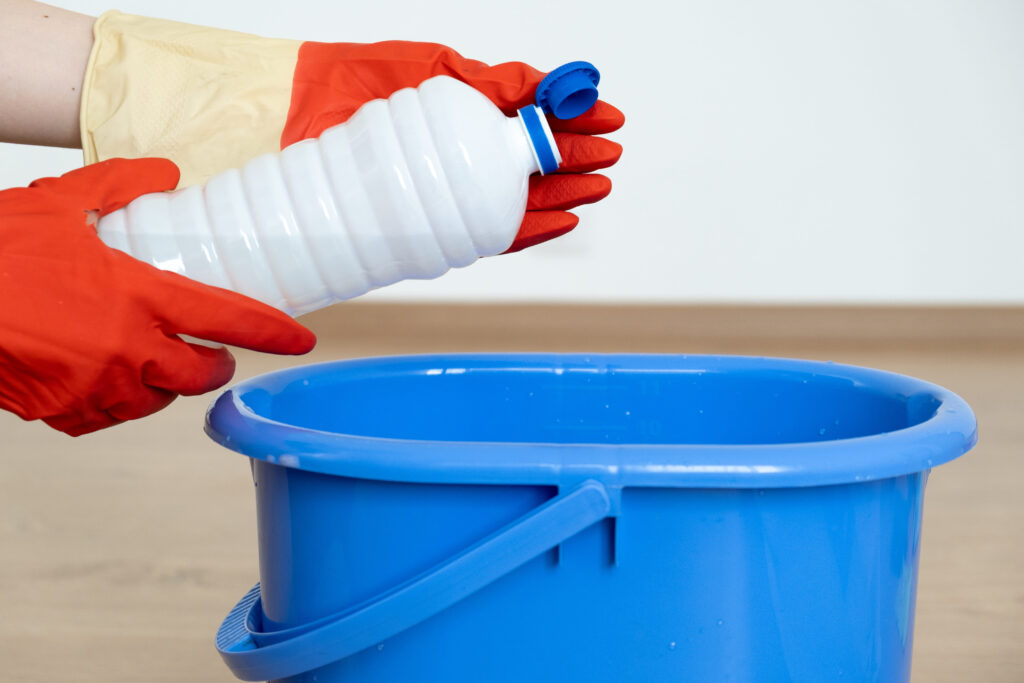
Bleach is powerful, but indiscriminate use can be damaging. It’s corrosive to colored grout, porous stone, and metals, often causing discoloration, pitting, and surface weakening.
Regular exposure can also degrade protective finishes, leaving surfaces more vulnerable to future staining. Using bleach only for its intended purposes, diluted properly, ensures sanitation without harming your kitchen materials.
Forgetting to Dust Light Fixtures and Ceiling Fans
Dust isn’t limited to counters and shelves. Ceiling fans, light fixtures, and cabinet tops accumulate dust and grease, which can settle back onto cleaned surfaces during use. This reduces overall hygiene and can trigger allergic reactions.
Regularly dusting and wiping these elevated areas keeps the air cleaner and prevents particles from contaminating countertops, tables, and food prep areas.
Leaving Dishwasher Filters Dirty
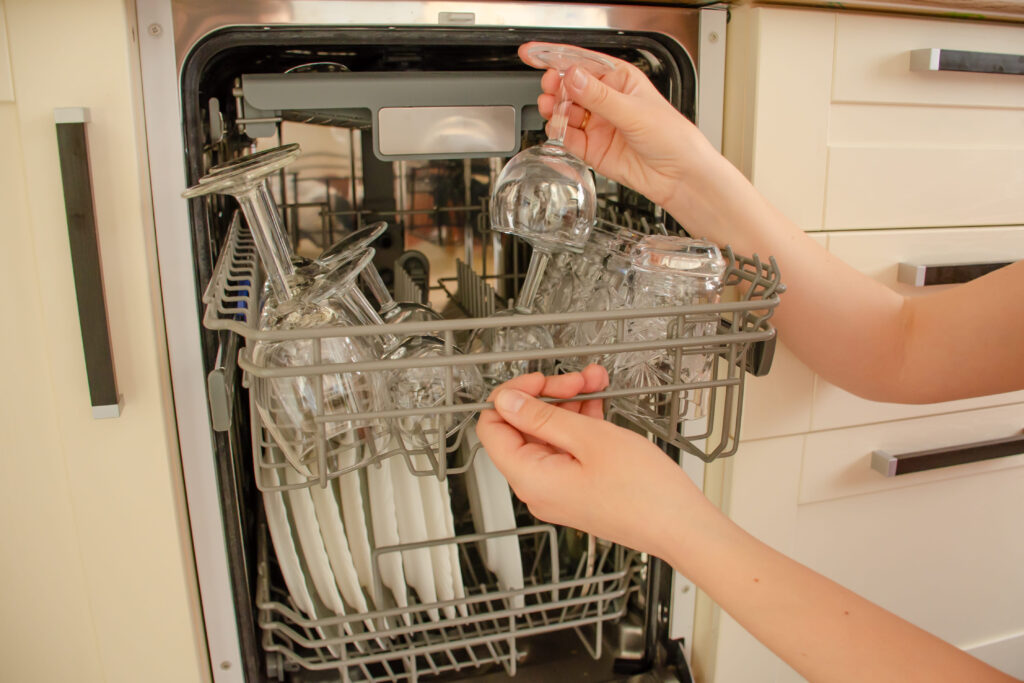
Dishwashers clean dishes but rely on their internal components to function effectively. Clogged filters trap food particles, reduce water flow, and can cause lingering odors and clouded dishes. Over time, neglected filters put extra strain on the motor and pump, shortening the appliance’s lifespan.
Cleaning filters and checking spray arms monthly ensures efficient performance, consistently clean dishes, and prevents long-term maintenance issues.
Using a Dirty Cloth
Reusing a damp cloth spreads germs rather than removes them. Even if surfaces appear clean, a cloth that isn’t washed harbors bacteria, grease, and particles from previous cleaning sessions. This results in cross-contamination between surfaces and defeats the purpose of cleaning.
Rotate clothes frequently or use disposable wipes for tough messes, and launder reusable clothes with hot water to maintain cleanliness and hygiene.
Ignoring the Range Hood and Its Filter
Range hoods trap grease, smoke, and airborne particles during cooking, but their filters often go unnoticed. A clogged filter reduces airflow, creates unpleasant odors, and allows grease to accumulate on cabinets and walls. Over time, this buildup can impact appliance efficiency and kitchen cleanliness.
Regularly cleaning or replacing filters ensures proper ventilation, prevents buildup, and maintains a healthy cooking environment.
Using the Wrong Cleaner on Natural Stone
Marble, granite, and travertine require special care. Acidic cleaners, including vinegar and lemon juice, etch and dull stone surfaces, stripping protective sealants and leaving permanent marks. Even mild soaps may leave residues that affect polish and texture.
Use pH-neutral stone cleaners according to manufacturer guidelines to maintain shine and durability over time.
Letting Water Sit on Wood Surfaces
Wood cutting boards, butcher blocks, and shelves should never remain wet. Water penetrates wood fibers, causing warping, cracking, and microbial growth. Standing water not only damages the wood but can also promote bacterial growth, creating a health risk.
Always wipe wood dry immediately after cleaning and periodically treat with food-safe oil to maintain moisture balance and protect surfaces from long-term damage.
Neglecting Behind Appliances
Dust and debris accumulate behind fridges, stoves, and dishwashers. Neglected coils and edges reduce appliance efficiency, increase energy use, and shorten lifespan. Clogged vents and trapped dust can also pose fire hazards or hygiene risks, contaminating your kitchen over time.
Pulling appliances periodically to clean behind and under them ensures optimal performance and keeps hidden areas free from buildup.
Conclusion
Kitchen cleaning is more than aesthetics; it’s about safety, sanitation, and longevity. Small, overlooked mistakes can silently damage surfaces, harbor bacteria, and reduce appliance performance. By understanding these 15 common missteps, homeowners can adjust their habits, protect their investments, and maintain a clean, healthy, and efficient kitchen. Smart cleaning combines the right tools, correct products, and consistent habits, resulting in a kitchen that’s not just spotless but genuinely safe and sustainable.