Some daily habits look harmless until they start controlling our mood, money, sleep, relationships, and self-respect. These 15 habits may be signs of addiction when we cannot stop despite real consequences.
Social Media Scrolling
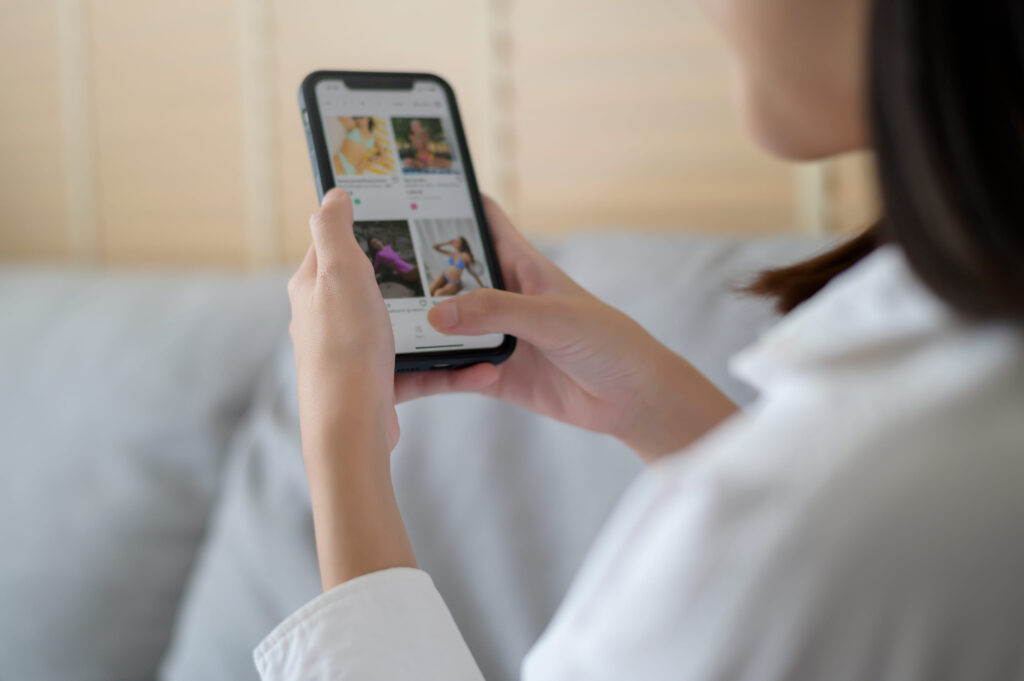
Social media can feel like a quick break, but the habit becomes suspicious when “five minutes” turns into an hour and we come back feeling worse. The warning sign is not just time spent online. It is the emotional grip.
If we reach for apps during stress, boredom, loneliness, or insecurity, then feel anxious without them, the habit has moved beyond casual entertainment. Cleveland Clinic notes that social media addiction is not yet a diagnosable DSM condition, but problematic social media use can still damage mental health, self-esteem, relationships, and work performance.
The loop is powerful because social media gives unpredictable rewards. A like, message, funny clip, argument, or shocking headline can arrive at any second. That uncertainty trains the brain to keep checking. We should worry when scrolling replaces real rest, delays important tasks, interrupts conversations, or becomes the main way we avoid uncomfortable feelings.
Phone Checking That Feels Automatic
Phone checking often hides behind responsibility. We tell ourselves we are checking work, family messages, breaking news, or reminders. Yet the habit becomes addictive-like when the phone starts controlling attention before we even make a conscious decision. We unlock it in elevators, at red lights, during meals, in bed, and in the middle of conversations. The screen becomes less like a tool and more like a reflex.
This pattern is especially risky because it fragments the day. Each small check seems harmless, but together they train the brain to expect constant stimulation. If silence feels uncomfortable, notifications feel urgent, and a dead battery causes panic, we may be dealing with more than convenience. The healthier test is simple. We should be able to leave the phone in another room for a set period without feeling restless, irritated, or strangely empty.
The Allure of Online Shopping

Shopping can be practical, joyful, and creative. It becomes a problem when buying things becomes the quickest way to change a mood. The danger often begins with “little treats,” flash sales, carts saved for later, and packages arriving so often that we lose track. Cleveland Clinic lists warning signs of compulsive spending, such as lying about purchases, buying things we do not use, and treating shopping like a hobby rather than an occasional activity.
The emotional cycle is familiar. We feel bored, anxious, overlooked, or stressed. We browse. The purchase gives a short rush. Then guilt, clutter, secrecy, or financial pressure follow. If we hide receipts, avoid checking bank balances, open new credit lines, or keep buying after promising to stop, shopping has stopped being harmless retail therapy. It has become a mood-management system with a price tag.
Gaming Addiction
Gaming is not automatically unhealthy. It can build skills, foster friendships, develop strategy, and promote relaxation. The concern begins when gaming takes priority over sleep, school, work, hygiene, relationships, and basic responsibilities. The World Health Organization defines gaming disorder as impaired control over gaming, increasing priority given to gaming over other activities, and continuing or escalating gaming despite negative consequences.
The problem is not enjoying a long session on a weekend. The problem is feeling unable to stop, even when life outside the game is clearly suffering. We should pay attention when gaming becomes the main source of identity, escape, achievement, or emotional regulation. If stopping triggers anger, panic, emptiness, or withdrawal from loved ones, the screen may be filling a deeper gap that needs support.
Gambling and Sports Betting
Gambling is one of the clearest behavioral addictions because it is officially recognized in the DSM-5 category of behavioral addictions. The American Psychiatric Association explains that gambling disorder shares similarities with substance-related disorders in clinical expression, brain origin, comorbidity, physiology, and treatment.
The dangerous part is the chase. A person may start by betting for fun, then begin raising stakes, hiding losses, borrowing money, or believing one win will fix everything. Sports betting apps make this easier because casinos now fit in a pocket. We should worry when the bet becomes more exciting than the game, when losses feel personal, or when a person keeps gambling to recover money already gone. That is not entertainment. That is a trap with lights on.
Caffeine
Coffee and tea can be part of a normal routine, but caffeine becomes concerning when we need it just to feel human. The FDA has cited 400 milligrams of caffeine per day as an amount not generally associated with negative effects for most adults, though sensitivity varies widely.
The addiction-like pattern shows up when we keep increasing intake, get headaches or irritability without it, use energy drinks to override exhaustion, or drink caffeine so late that sleep suffers. At that point, caffeine is no longer just a morning pleasure. It is a borrowed-energy habit. We pay it back through anxiety, poor sleep, racing thoughts, afternoon crashes, and the need for even more caffeine the next day.
Alcohol
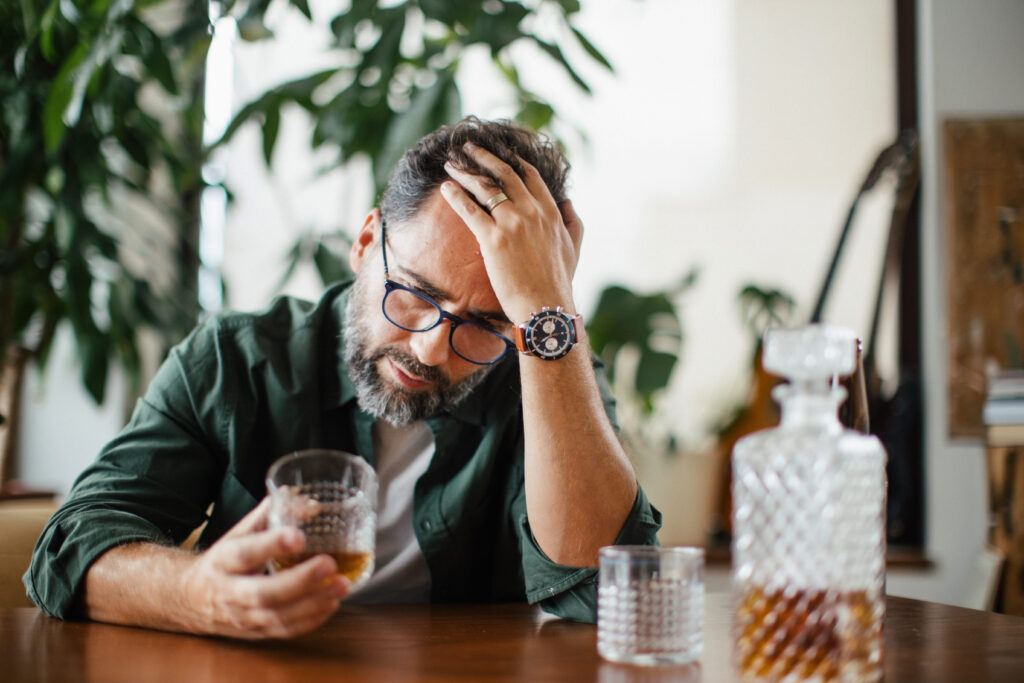
Many people use alcohol socially, but the habit becomes risky when drinking turns into the default answer for stress, loneliness, boredom, confidence, or sleep. The CDC defines binge drinking as four or more drinks for women or five or more drinks for men on one occasion, and heavy drinking as eight or more drinks per week for women or 15 or more for men.
The red flag is not only how much we drink. It is what alcohol is doing for us. If we need it to calm down, loosen up, stop thinking, fall asleep, or tolerate daily life, the relationship deserves attention. We should also watch for private drinking, broken limits, memory gaps, risky choices, defensiveness, and drinking despite health, work, or relationship consequences. Relaxation should restore us. Alcohol dependence slowly starts billing interest.
Vaping
Vaping often looks less serious than smoking because it smells sweeter, feels cleaner, and comes in sleek packaging. That can make the addiction easier to underestimate. The CDC states that most e-cigarettes contain nicotine, which is highly addictive, and that nicotine can harm parts of the adolescent brain involved in attention, learning, mood, and impulse control.
The habit becomes more obvious when a person vapes immediately after waking, sneaks hits indoors, panics when a device is missing, or keeps using despite chest irritation, expense, or family concern. Nicotine addiction does not always look dramatic. Sometimes it looks like a person quietly planning the entire day around the next hit.
Ultra-Processed Snacks
Food is not the enemy, and eating for pleasure is normal. The issue is the pull of certain ultra-processed foods that combine refined carbohydrates, fats, salt, flavoring, and convenience in ways that can encourage loss of control. Recent research reviews describe growing evidence around ultra-processed food addiction, including cravings, difficulty cutting back, and continued eating despite negative consequences in some people.
The warning sign is not loving chips, cookies, soda, fast food, or ice cream. It feels like being unable to stop once you’ve decided to stop. We may notice secret eating, shame, eating past discomfort, using food to numb emotions, or buying trigger foods again after swearing them off. A healthier approach avoids shame and focuses on patterns. If the food habit repeatedly overpowers choice, structure, and support matter more than willpower speeches.
Exercise That Punishes the Body
Exercise is one of the best things we can do for health, but even good habits can become harmful when they turn compulsive. Research on exercise addiction describes common components such as salience, tolerance, mood modification, withdrawal, conflict, and relapse.
The danger arises when rest days lead to guilt, injury does not stop training, workouts override relationships, and exercise becomes a punishment for eating or missing a goal. We should distinguish discipline from compulsion. Discipline supports health. Compulsion ignores pain, fear, exhaustion, and medical advice. If movement becomes the only way to feel worthy, calm, or in control, the body is no longer being trained. It is being used as a battlefield.
Work Addiction
Work addiction is tricky because society often rewards it. Long hours can look ambitious, responsible, and impressive. Yet research describes workaholism as excessive time spent working, preoccupation with work to the exclusion of other life domains, and loss of control over work patterns.
The problem is not working hard during a demanding season. The problem is being unable to stop working even when rest is available and needed. We should worry when family time feels like an interruption, hobbies disappear, sleep shrinks, health problems get ignored, and the mind keeps returning to work during every quiet moment. A career can build a life. Work addiction can quietly replace one.
Porn or Sexual Behavior
Sexual desire is normal, and strong desire alone is not an addiction. The concern begins when sexual behavior becomes difficult to control and causes real harm. Mayo Clinic notes that compulsive sexual behavior may include continuing sexual behaviors despite serious problems, using the behavior as an escape from anxiety or stress, and struggling to maintain healthy relationships.
This can include compulsive pornography use, repeated risky encounters, secrecy, financial harm, relationship damage, or failed attempts to stop. The key issue is not moral judgment. It is control, consequences, and distress. If the behavior creates shame, isolation, broken trust, or danger, we should treat it as a health concern rather than a punchline.
Tanning and Appearance Checking
Tanning may seem cosmetic, but research has examined tanning addiction and found evidence that tanning can show addictive-like patterns in some people. Studies have also connected excessive tanning with other behavioral health concerns, and newer reviews describe ultraviolet tanning as an emerging addictive behavior.
The same pattern can appear in appearance checks, filters, mirrors, body comparisons, and repeated cosmetic tweaks. The person is not simply trying to look good. They are chasing relief from discomfort. We should worry when appearance rituals consume time, money, skin health, mood, or social confidence. A beauty habit becomes harmful when it never delivers enough peace to let us live.
Doomscrolling
Staying informed matters, but doomscrolling can turn news into a fear loop. Harvard Health describes doomscrolling as the constant consumption of distressing news, which can take a toll on well-being. Research on problematic news consumption has also linked severely problematic patterns with greater mental and physical ill-being.
The addictive-like hook comes from uncertainty. We keep refreshing because the next update might make us feel safer, clearer, or prepared. Usually, it does the opposite. We become more tense, suspicious, distracted, and emotionally overloaded. We should worry when news checking happens first thing in the morning, last thing at night, during meals, or any time the body is already stressed. Information should help us respond to life, not keep us trapped in alarm mode.
Binge-Watching
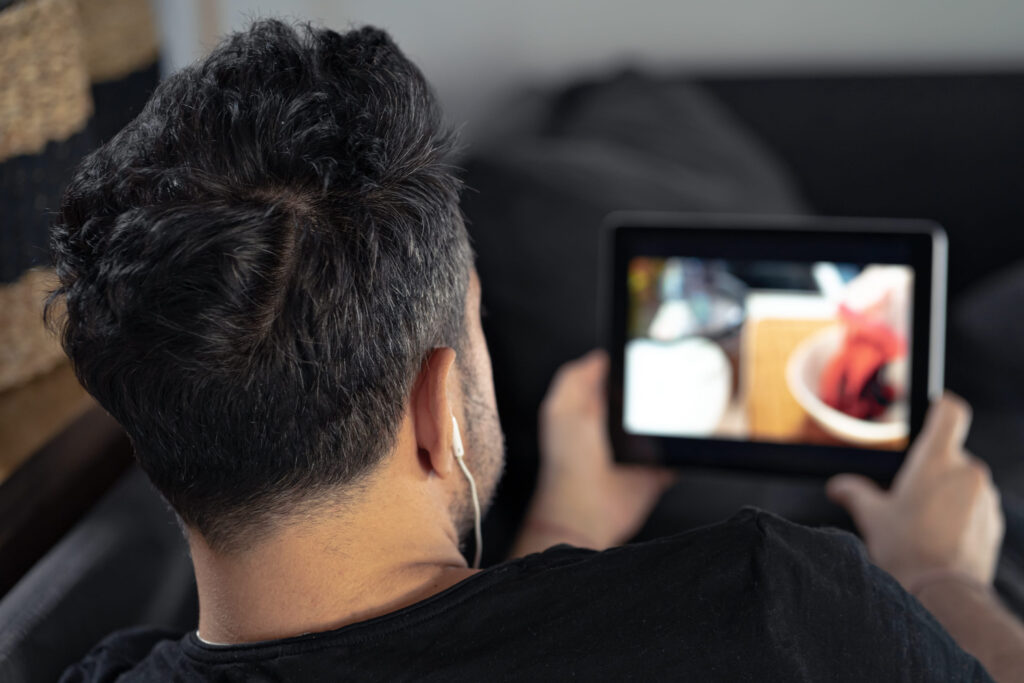
Streaming platforms made entertainment frictionless. One episode rolls into the next, and suddenly midnight has become 3 a.m. Binge-watching is not always harmful, but reviews have linked problematic binge-watching with issues such as loss of control, mood regulation, and mental health concerns in some viewers.
The problem starts when watching becomes less about pleasure and more about disappearance. We watch to avoid grief, deadlines, conflict, loneliness, or decisions. We skip sleep, cancel plans, ignore chores, and feel foggy the next day. Real rest leaves us steadier. Avoidance leaves us behind. If streaming repeatedly steals time we meant to protect, the autoplay button is doing more than entertaining us.