Human minds are like uncharted galaxies: beautiful, bewildering, and constantly surprising for researchers who explore them. Just when we think we understand why we think, feel, and behave the way we do, science reveals something even more astonishing.
Recent breakthroughs in psychology and neuroscience are challenging old assumptions and offering fresh insights into how cognition, emotion, and behavior intertwine. The more we learn, the clearer it becomes that the story of the human psyche is far deeper and stranger than anyone expected.
AI Models Help Decode Human Decisions
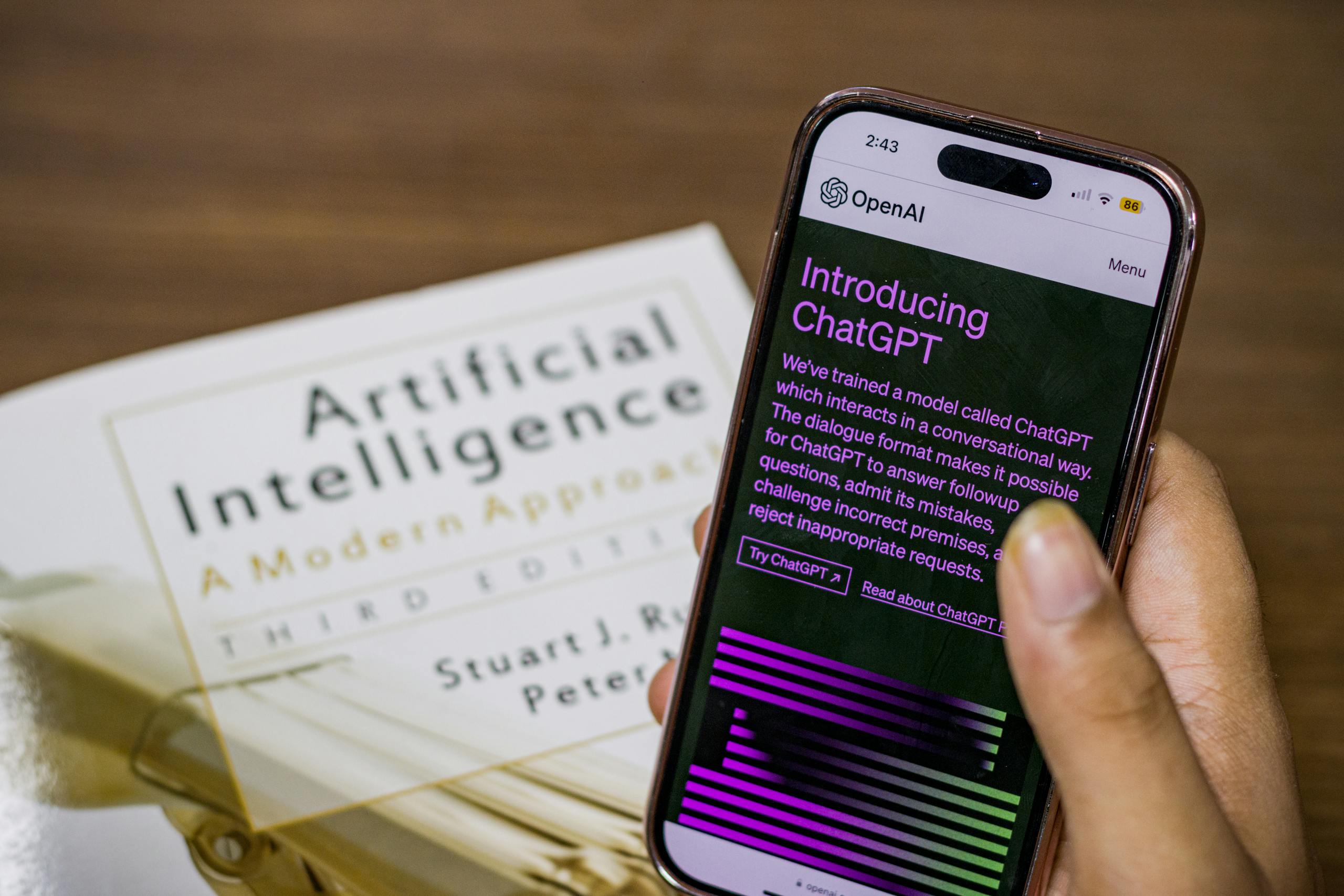
Scientists have developed artificial intelligence systems that predict human choices with notable accuracy. These models, trained on large datasets, reveal patterns of cognitive bias and preference.
Psychologists now use such tools to simulate decision-making and test behavior theories. While not perfect, these systems are advancing our understanding of human reasoning.
Childhood Inequality Leaves Lasting Psychological Imprints
Findings show that childhood in unequal societies can alter brain areas linked to emotion and control, raising risks for anxiety, depression, and impaired decisions.
This underscores the impact of social environments on psychological development, emphasizing that societal forces shape mental health alongside biology.
Teen Brains Build as Much as They Prune
Contrary to the old belief that the adolescent brain simply sheds old neural connections, researchers now find that it actively forms dense new synaptic clusters.
This challenges traditional models of teenage development and offers clues to why emotional resilience and risk‑taking behaviors are heightened in youth.
These dynamic changes could explain both teenage creativity and vulnerability to mental health issues. Understanding this growth phase better equips parents and educators to support young minds.
Autistic Emotional Expression Follows Unique Neurological Patterns
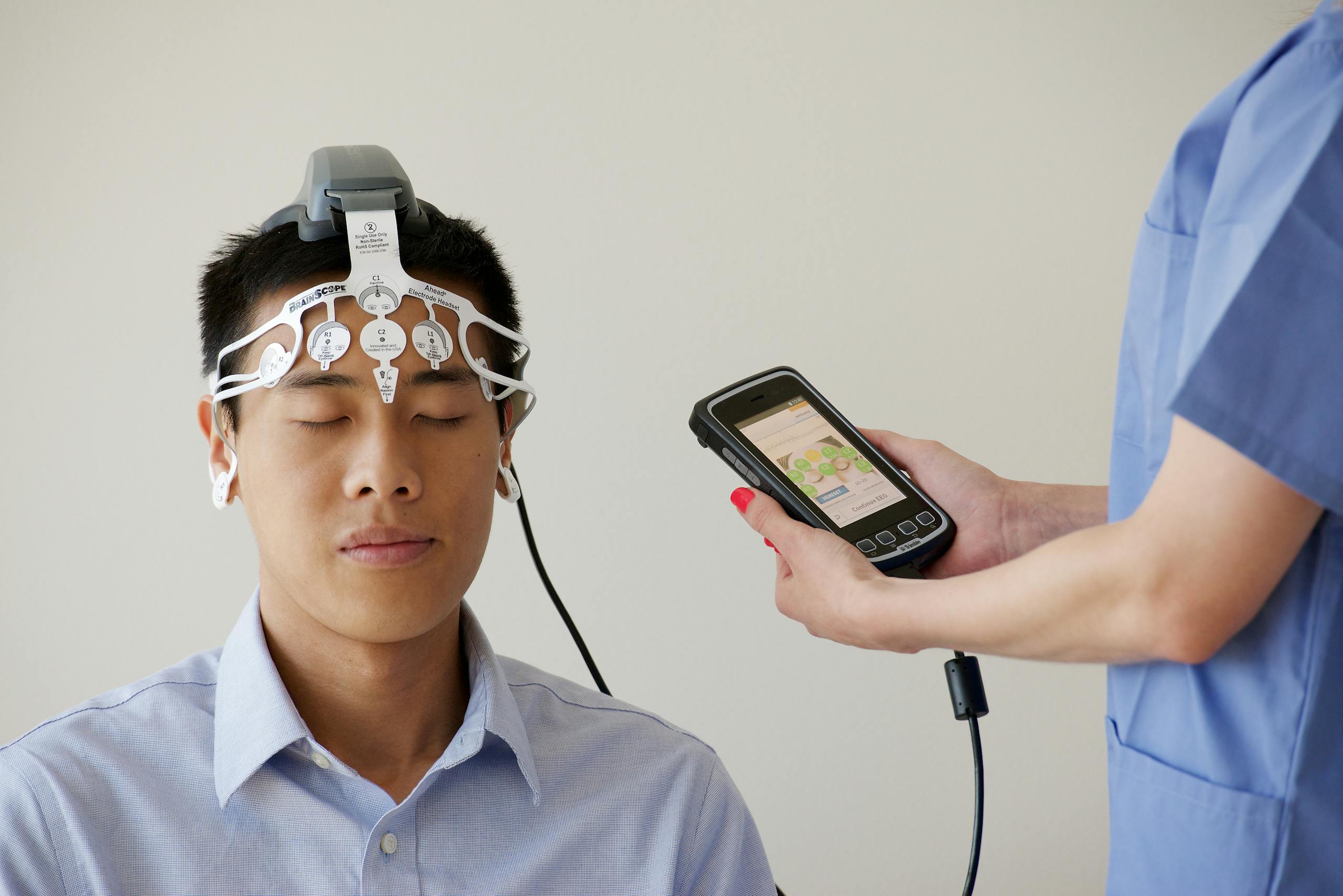
Research shows autistic individuals display emotions with distinct facial patterns due to differences in brain processing.
These consistent patterns clarify questions about nonverbal communication, supporting more empathetic interaction and effective clinical therapies.
Emotional Memory Sharply Influences Social Media Well‑Being
Studies show that heavy social media users experience measurable increases in negative emotion regulation issues compared with those who engage more offline. These effects are tied to how emotional memories are formed and recalled within digital contexts.
The findings suggest that our brains treat online interactions as intense social experiences, which can affect long‑term mood and mental health. This insight could shape new guidelines for healthier digital habits.
Sleep Compensation May Boost Young Adults’ Mental Health
Scientists found that teenagers who catch up on sleep during weekends show lower depression risk. Flexible sleep supports mood and resilience, pointing to sleep’s psychological importance.
These results prompt a rethink of teen sleep habits and school schedules.
Hormones Shape Empathy in Surprising Ways
Emerging evidence shows that hormones like testosterone profoundly influence social cognition and empathy, sometimes reducing emotional resonance in ways not previously understood. This challenges simplified gender‑based psychological models and underscores the role of biochemical mechanisms in emotional behavior.
By mapping hormonal impacts on cognition, scientists can better predict psychological outcomes in contexts ranging from conflict resolution to leadership. This bridges biology and social psychology more directly than ever before.
The Brain’s Sleep‑Linked Learning Boost
Recent evidence suggests that sleep doesn’t just “refresh” the mind; it actively reorganizes emotional memories and strengthens learning. This nocturnal processing helps consolidate knowledge and emotional regulation more than previously thought.
It reshapes how psychologists view sleep, not just as rest but as active mental engineering. Understanding this could revolutionize treatments for PTSD and learning disorders.
Invisible Biological Rhythms Influence Mood Peaks
Scientists have uncovered subtle biological cycles—patterns in our neural chemistry—that link daily mood swings to changes in bodily chemicals such as serotonin and dopamine (molecules that help control feelings).
These rhythms show that emotions are wired into the body, not just the mind. This new view may alter how mood problems are treated, highlighting the intricate connection between the brain and the body.
Brain’s Hidden “Mute Button” Rewrites Fear Responses

Researchers have discovered a previously unknown neural mechanism that suppresses itch and fear responses during moments of acute stress.
This “mute button” helps the brain prioritize survival over sensation, revealing deeper biological mechanisms of prioritization. The finding sheds new light on how emotion and cognition interact under stress. It also opens new pathways for treating chronic fear disorders like PTSD.
Memory Formation Is Sharply Contextual, Not Continuous
The brain organizes experiences by salient chapters, not as a seamless story. Emotionally or contextually important moments are strongly encoded, making them memorable over routine events.
This insight guides educators and therapists on learning and trauma retention.
Personality and Psychopathy Reveal Hidden Emotional Patterns
Recent studies into personality structures found unexpected emotional profiles among individuals with “dark triad” traits such as psychopathy and narcissism. Rather than lacking all emotional responses, these individuals often enjoy certain emotional states, such as fear or dominance.
This finding reframes old assumptions about empathy deficits and highlights the complexity of human emotional circuitry. It pushes psychologists to devise more nuanced social and therapeutic models.
Early Life Stress Rewires the Social Brain
Recent studies reveal that childhood stress does more than alter temporary behavior—it changes brain circuits dedicated to social connections and anxiety (feelings of nervousness) later in life.
These rewired circuits can make people vulnerable to emotional struggles as adults. The new findings encourage therapists to focus on early help, not just late treatment. This represents a major shift to real mental health prevention.
Memory Loss Can Be Biologically Reversed in Lab Models
Scientists have recently reversed memory decline in animal models by targeting previously unknown cellular processes. This overturns the assumption that neurodegeneration is irreversible.
Although still early, this discovery lights hope for future treatment of Alzheimer’s and other dementias. It reframes the idea that the psyche and neural health are deeply intertwined.
Deepfakes Alter Political Perception and Identity
Research shows that exposure to deepfakes can subtly shift people’s political views and self‑identity frameworks. This isn’t just digital trickery — it taps into psychological vulnerabilities tied to trust and belief formation.
As deepfakes become more sophisticated, psychologists worry about long‑term impacts on societal cohesion. This underscores the urgency of media literacy education worldwide.
Gut Microbes Influence Social Anxiety Levels
Surprising discoveries link gut bacteria—the tiny organisms living in our digestive system—with levels of social anxiety (fear in social situations) and stress response.
Instead of seeing psychology as just brain-centered, researchers now view the gut-brain axis (the connection between the stomach and the brain) as an important emotional regulator.
This might lead to probiotic (beneficial bacteria) therapies for anxiety. It underscores how the whole body affects the mind.
Artistic Activities Reshape Cognitive Networks
Creative pursuits like music and dance do more than enrich life—they change how brain networks (groups of connected brain cells) coordinate emotion and memory.
These new patterns link to brighter moods and better memory. This provides biological evidence for the mental benefits of creativity. It supports including art in mental health treatments.
Facial Expression Differences Reflect Brain Wiring
New research shows that people from different cultures use distinct neural (brain-based) strategies to express emotions through facial movements.
This helps explain why we sometimes misread others’ feelings across cultures. It shows that emotional expression is partly universal but also deeply personal. This deepens our understanding of how humans connect.
Natural Sleep Patterns Reduce Depression Risk
A study found that when people recover lost sleep, especially teens over weekends, they show lower depressive symptom rates.
This suggests that sleep timing and quality are psychological as much as biological. It reframes sleep as emotional therapy. This could significantly shift public health advice.
Brain Plasticity Remains Stronger Than Expected
Contrary to old models of rigid adult brains, new research shows that neural flexibility persists well into late adulthood.
This means learning, emotional growth, and behavioral change remain possible throughout life. It’s a hopeful discovery for lifelong education and therapy. This challenges any notion of a fixed psyche after youth.
Conclusion
Psychological science is rewriting the story of the human mind through discoveries that fuse biology, environment, and behavior into a unified tapestry. These revelations show that cognition isn’t static but a living system shaped by sleep, society, hormones, microbiomes, and even artificial intelligence.
Every breakthrough deepens our understanding while revealing new mysteries to explore. The human psyche isn’t a closed book — it’s an evolving adventure we’re just beginning to read.