Gardening is an art, but some common practices can unintentionally harm your plants and overall garden health. Many gardeners unknowingly carry out certain tasks, thinking they are doing good, but in reality, these habits can disrupt plant growth and soil health. Here’s a comprehensive guide to 20 gardening habits that might be doing more harm than good, with actionable advice to enhance your gardening efforts.
Not Rotating Crops
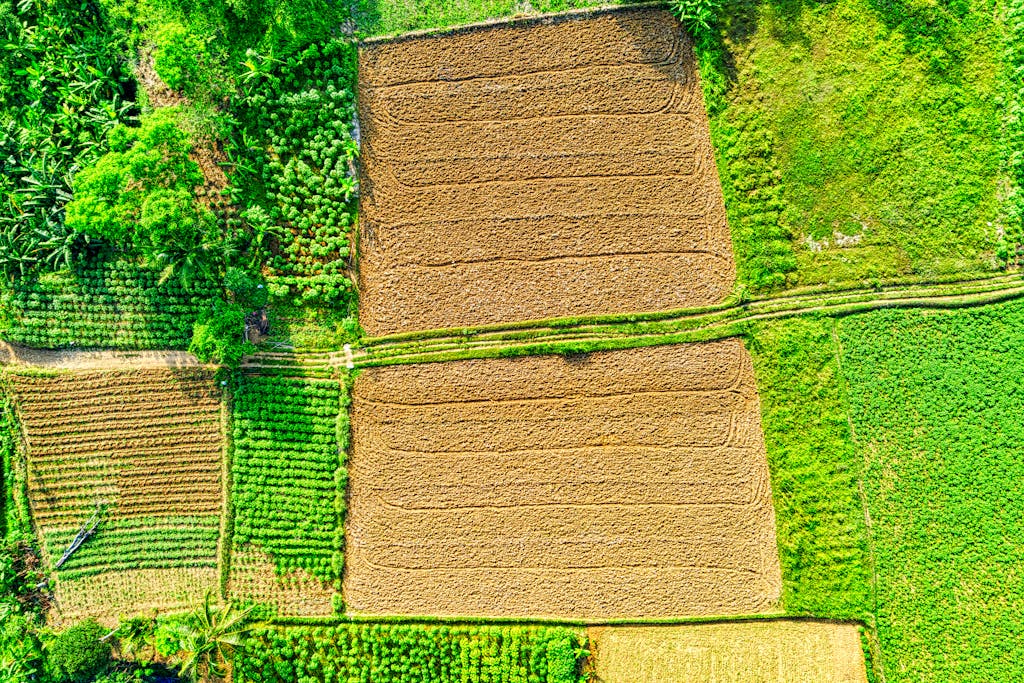
One of the most overlooked practices in gardening is crop rotation. If you’re planting the same crops in the same spot year after year, you’re unknowingly depleting your soil of essential nutrients. Plants draw different nutrients from the soil, and when grown in the same location each season, the soil becomes imbalanced. Over time, this leads to poorer yields and susceptibility to pests and diseases.
Why It’s Harmful
Crop rotation is crucial for maintaining soil fertility. It prevents the depletion of specific nutrients and reduces pest cycles. Failure to rotate crops can also cause specific plant diseases to take hold, as pathogens build up in the soil.
What You Can Do
Plan your garden so that each plant family is rotated each season. Incorporate cover crops such as clover or rye to add organic matter back into the soil. This practice ensures your garden thrives season after season, without depleting the resources that your plants need to grow.
Overwatering Plants
While it’s tempting to water your garden plants frequently, overwatering can cause more harm than good. Excess water can suffocate plant roots, leading to root rot and other fungal diseases.
Why It’s Harmful
Overwatering deprives roots of oxygen and can cause waterlogged soil. This leads to yellowing leaves, wilting, and eventually the death of your plants. Roots need a balanced water level to stay healthy.
What You Can Do
Instead of watering on a set schedule, check your soil’s moisture level. Use a moisture meter or simply stick your finger into the soil to check if it’s dry. Many plants prefer to dry out between waterings, so always ensure the soil is not too saturated.
Ignoring Soil Quality
Soil quality is the foundation of a healthy garden. Neglecting soil health can lead to nutrient deficiencies, poor drainage, and reduced plant growth.
Why It’s Harmful
Poor soil can prevent plants from taking up necessary nutrients, leading to stunted growth or even plant death. It can also cause drainage issues, resulting in waterlogged soil that further harms plant roots.
What You Can Do
Test your soil regularly for pH levels and nutrient content. Amend your soil with compost or organic matter to improve its texture and fertility. Healthy soil encourages stronger root systems and healthier plants, leading to a flourishing garden.
Using Chemical Pesticides
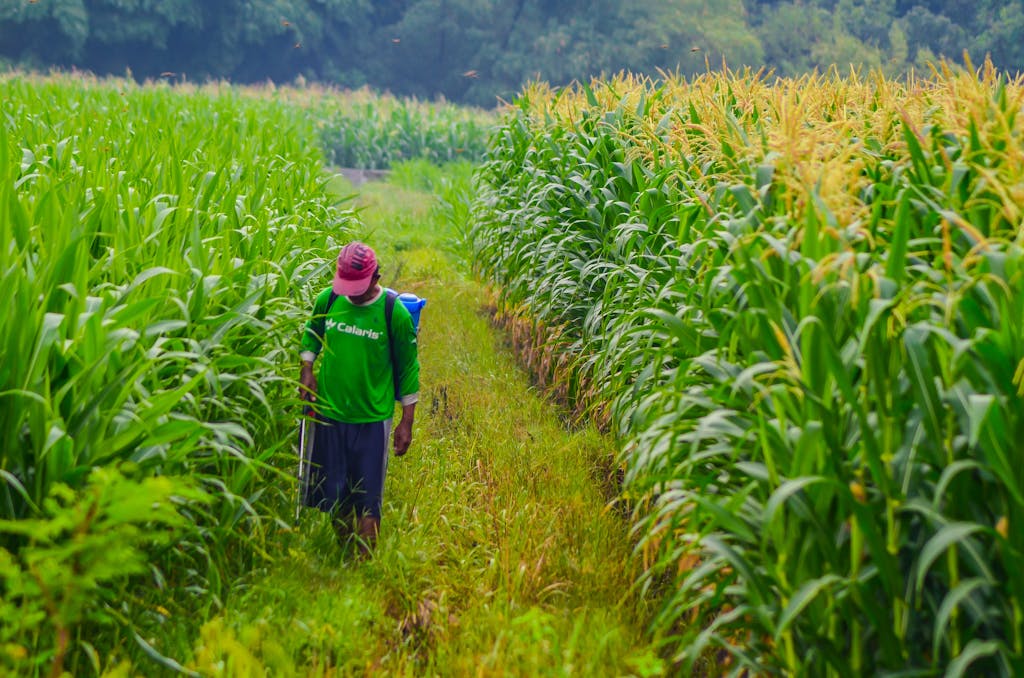
Chemical pesticides are often seen as a quick solution to pest problems. However, they can be harmful to the environment, kill beneficial insects, and create long-term soil health problems.
Why It’s Harmful
Pesticides can kill not only pests but also beneficial insects like bees, ladybugs, and butterflies, which are crucial for pollination and natural pest control. Overuse of chemical pesticides can also lead to pest resistance.
What You Can Do
Switch to eco-friendly pest control methods, such as neem oil, insecticidal soap, or natural predators. Encourage beneficial insects by planting a variety of plants, including those that attract pollinators and pest controllers.
Planting Too Close Together
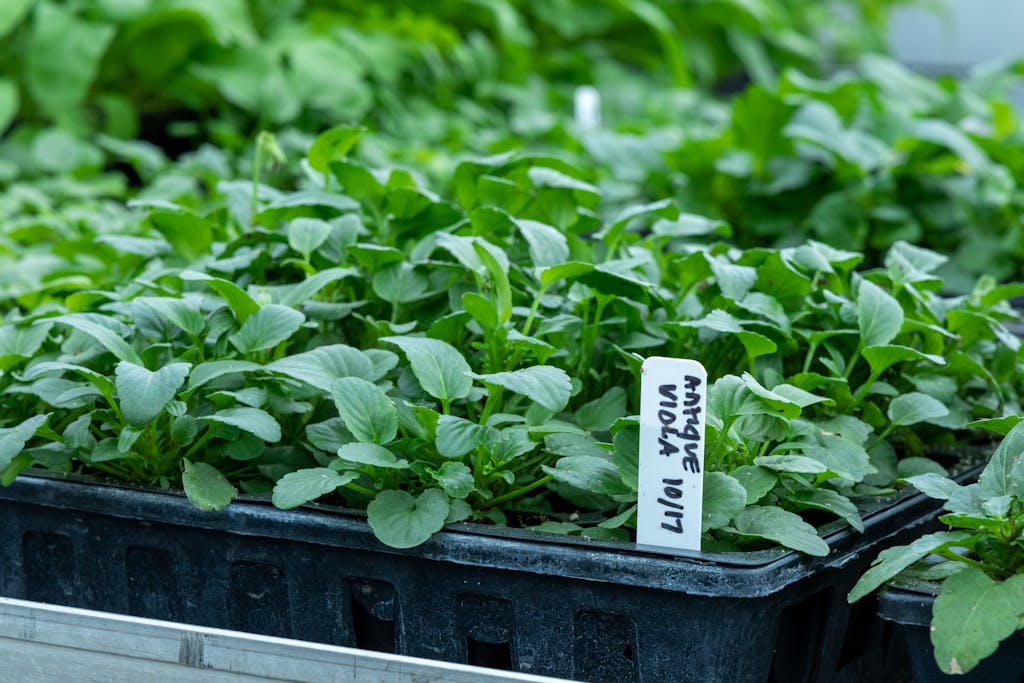
Planting too many plants in a small area is another common mistake. Crowded plants compete for light, water, and nutrients, ultimately hindering their growth.
Why It’s Harmful
When plants are too close together, they have limited access to resources like sunlight and soil nutrients. This can lead to weak, spindly growth and an increased risk of disease due to poor air circulation.
What You Can Do
Always follow planting instructions on seed packets or plant labels for spacing recommendations. Give your plants room to breathe and grow by spacing them adequately. This not only prevents disease but promotes robust plant health and maximum growth.
Using Unsterilized Tools
Many gardeners neglect to clean their tools, thinking that a quick wipe is enough. However, dirty tools can spread diseases from one plant to another.
Why It’s Harmful
Using unsterilized tools can transfer pathogens, fungi, and pests between plants. A small infection on one plant can quickly spread throughout your garden, causing widespread damage.
What You Can Do
Regularly clean and sterilize your gardening tools. Use a bleach solution or a disinfectant to kill any harmful bacteria or pathogens. Sharp, clean tools not only help prevent disease but also make for smoother cuts, which promote faster healing for your plants.
Over-fertilizing Plants
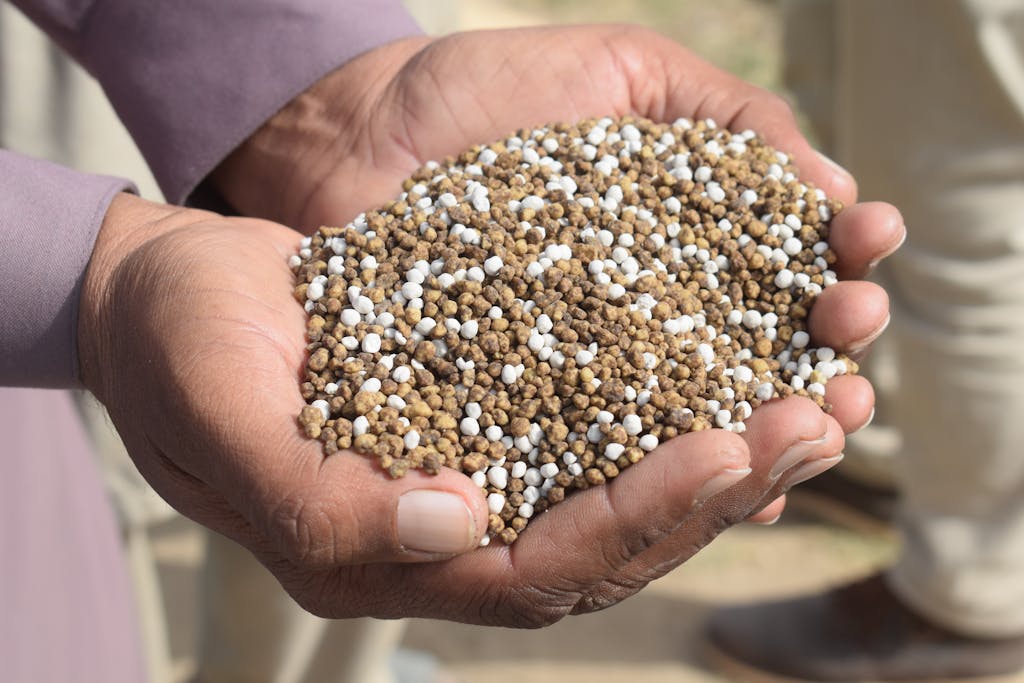
Fertilizers can be a great way to promote plant growth, but using too much can be detrimental. Over-fertilization can burn plant roots and cause an imbalance in soil nutrients.
Why It’s Harmful
Excessive fertilizer can cause plants to grow too quickly, leading to weak stems and poor flowering. It can also wash away into the environment, polluting local water sources.
What You Can Do
Follow fertilizer recommendations closely and avoid over-applying. Consider organic options like compost or manure, which provide slow-release nutrients to plants without overloading them with fertilizers.
Pruning at the Wrong Time
Pruning is a crucial gardening task, but it’s easy to make mistakes, especially when it comes to timing. Pruning at the wrong time can prevent your plants from flowering or fruiting properly.
Why It’s Harmful
Pruning too early or too late can result in a loss of flowers or fruit for the next season. For instance, pruning spring-blooming shrubs in the fall removes the buds for the following spring.
What You Can Do
Research the optimal pruning times for each type of plant. As a general rule, prune most plants in late winter or early spring, before new growth begins.
Ignoring Wildlife Needs
Gardens aren’t just for plants; they also serve as habitats for a variety of wildlife, including birds, bees, and beneficial insects.
Why It’s Harmful
Failing to cater to wildlife needs can disrupt the natural balance of your garden. Without pollinators and natural pest controllers, your plants may struggle to thrive.
What You Can Do
Provide food, shelter, and water for wildlife in your garden. Birdhouses, bee hotels, and butterfly-friendly plants are all great ways to support local wildlife. Avoid using pesticides, as they can harm beneficial insects and animals.
Improper Mulching Techniques
Mulching is a helpful gardening practice, but doing it incorrectly can cause more harm than good. Piling mulch directly against tree trunks or plant stems can lead to rot and pests.
Why It’s Harmful
Excess mulch around the base of plants can create a damp environment that promotes fungal growth, rot, and pest infestations. It can also prevent oxygen from reaching the roots, suffocating your plants.
What You Can Do
Keep mulch at least 2-3 inches away from plant stems and tree trunks. Apply mulch evenly to conserve moisture, suppress weeds, and maintain a healthy garden ecosystem.
Conclusion
Gardening should be a rewarding experience, and understanding the impact of our actions on our plants and the environment is essential. By avoiding harmful gardening habits, such as overwatering, neglecting crop rotation, or using chemical pesticides, you can create a healthier, more vibrant garden. Implementing better practices, like spacing plants properly, using organic fertilizers, and fostering wildlife, will help you cultivate a thriving garden for years to come.
Making these changes isn’t just about improving your plants; it’s about creating a more sustainable and balanced ecosystem that benefits everyone, from gardeners to pollinators. With the right approach, you can transform your gardening routine into a flourishing success.