Hydrangeas offer lush blooms and dramatic garden impact, but not all types survive extreme weather and challenging conditions. Some varieties struggle in tough climates, wilting under cold winters or hot, dry spells. Choosing the most resilient hydrangeas ensures your garden stays vibrant year after year, even when conditions don’t cooperate. Below are five hardy hydrangea varieties known for their toughness and dependability across a range of climates.
Bigleaf Hydrangea (Hydrangea macrophylla)
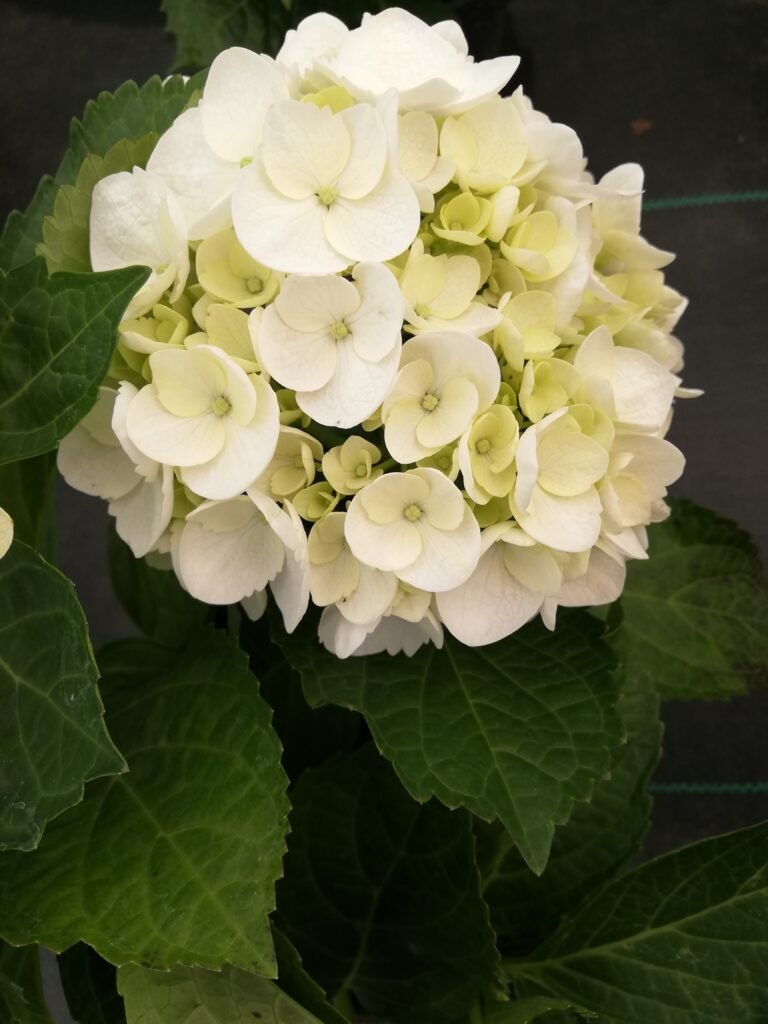
Bigleaf hydrangeas are the ones most gardeners think of first. They are known for their globe-shaped flower clusters and for displaying blue, pink, or purple blooms depending on soil conditions. Although they prefer consistent moisture and can be less tolerant of arid or extremely cold conditions, selecting the hardiest cultivars within this group can significantly increase survival chances. Popular types within this category include classic garden favorites that handle moderate temperature swings and offer bold color for long seasons.
Smooth Hydrangea (Hydrangea arborescens)
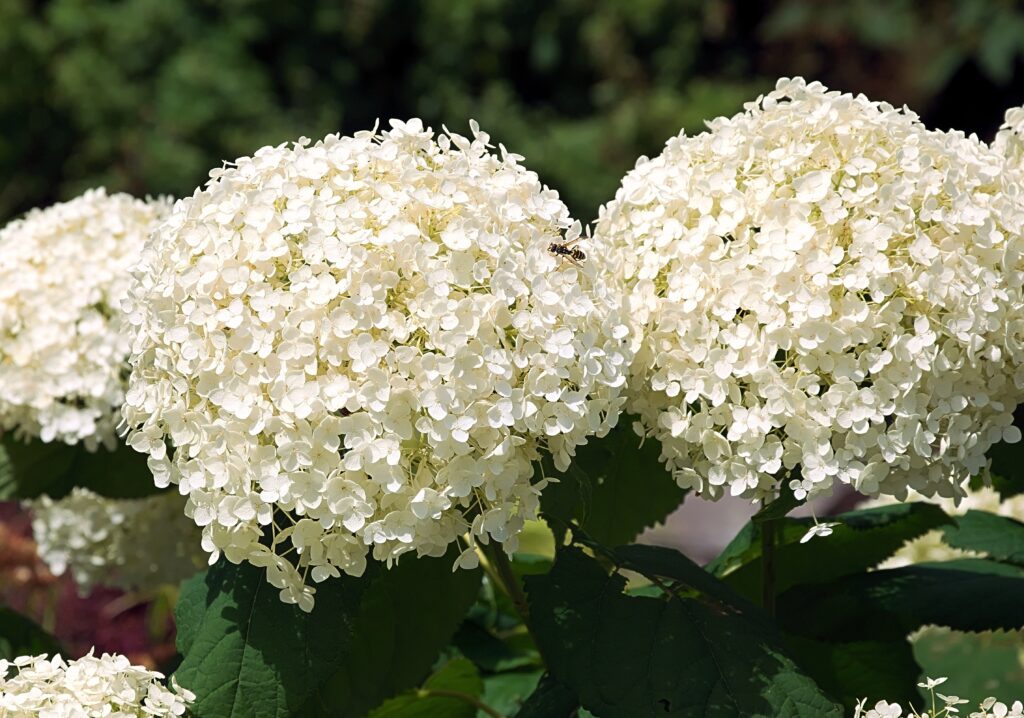
Smooth hydrangeas are among the most cold-tolerant of all hydrangea types. These shrubs produce large, full flower heads that often begin as bright white before softening in tone as the season progresses. Their ability to bloom on new growth means they will reliably produce flowers later in the year, even after winter dieback, making them particularly hardy in cooler zones. Gardeners appreciate this variety for its adaptability to shade and its resilience in unpredictable weather.
Panicle Hydrangea (Hydrangea paniculata)
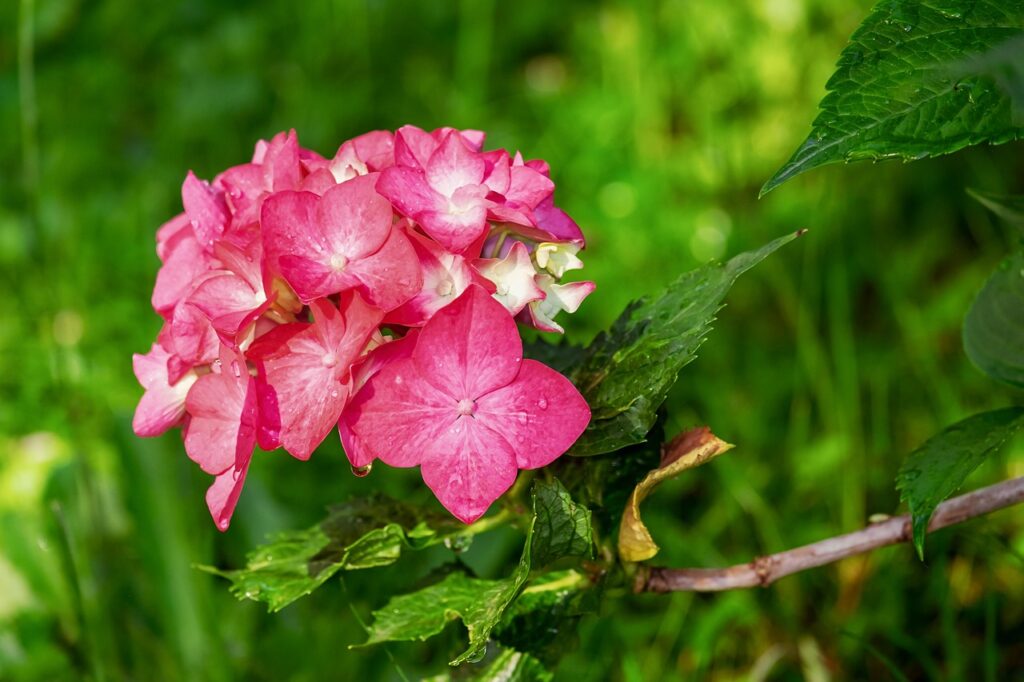
Panicle hydrangeas are widely recognized for being among the heartiest hydrangeas available. They thrive in a wider range of temperatures and tolerate sun exposure far better than some other types. These shrubs bear upright, cone-shaped flower clusters that gradually develop color as they mature, often moving from creamy white to pink or red tones late in the season. Their resilience to heat and cold alike makes them a go-to choice for challenging garden spots.
Oakleaf Hydrangea (Hydrangea quercifolia)
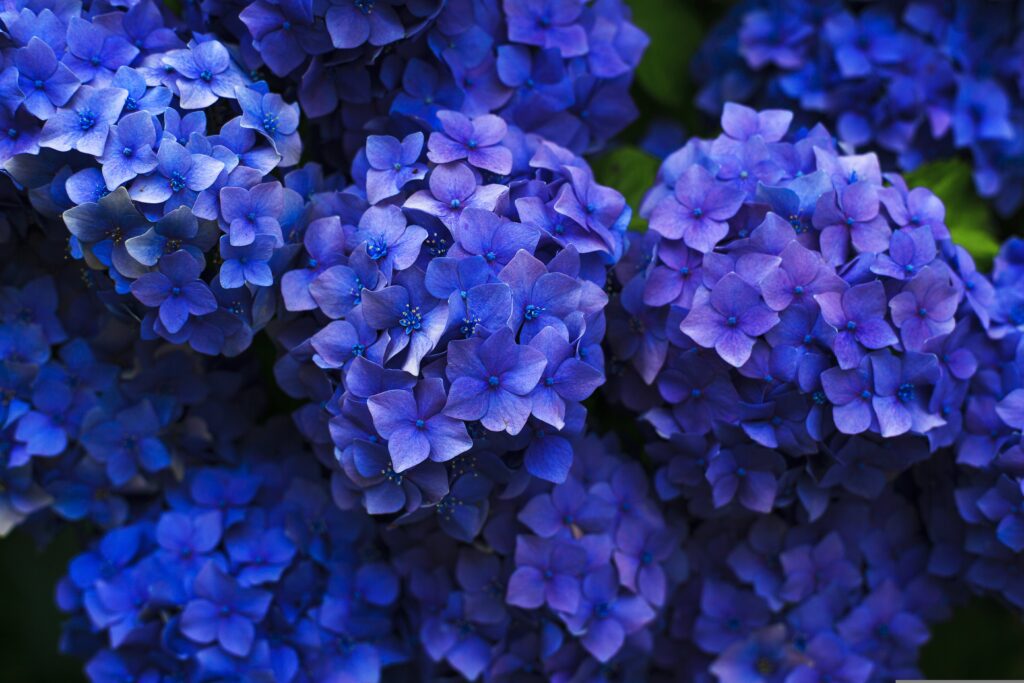
Oakleaf hydrangeas are distinguished by their unique lobed foliage, which gives the plant decorative appeal well beyond its flowers. These shrubs are well-suited to handle heat and short dry periods once a deep root system is established. Their blooms begin in soft hues and deepen as the season progresses, all while offering striking leaf color in autumn. Although they prefer consistent moisture, their adaptability makes them dependable in varied climates.
Mountain Hydrangea (Hydrangea serrata)
Mountain hydrangeas are prized for their flat, lacecap blooms and manageable size. Originating from higher elevations, they can endure cooler climates with fewer issues than some of their big-leafed cousins. Their performance in both moist soils and in locations with varied sunlight exposure makes them a hardy addition to gardens where stability over heat or cold extremes is needed. They bring delicate floral form without sacrificing substance.
Conclusion
Choosing the right hydrangea variety makes all the difference when your garden faces unpredictable weather or difficult conditions. While some hydrangeas struggle with drought, heat, or cold, the varieties highlighted above are known for exceeding expectations in terms of toughness. Whether you need a shrub that survives colder zones or one that holds up under hot, dry sun, these resilient hydrangeas deliver beautiful blooms with fewer worries. Which hardiest type will thrive best in your garden?