Tender annuals look innocent at the garden center. They sit there in neat trays, glowing with bright flowers, soft leaves, and the kind of color that makes a tired yard feel alive again. The problem is that these plants are not built for cold soil, surprise frost, or chilly spring nights that sneak in after one warm afternoon.
That is why tender annuals can be both beautiful and frustrating. Plant them at the right time, and they give your garden months of color. Plant them too early or treat them like tough perennials, and they can wilt, rot, stall, or die before they ever get a chance to show off.
Marigolds
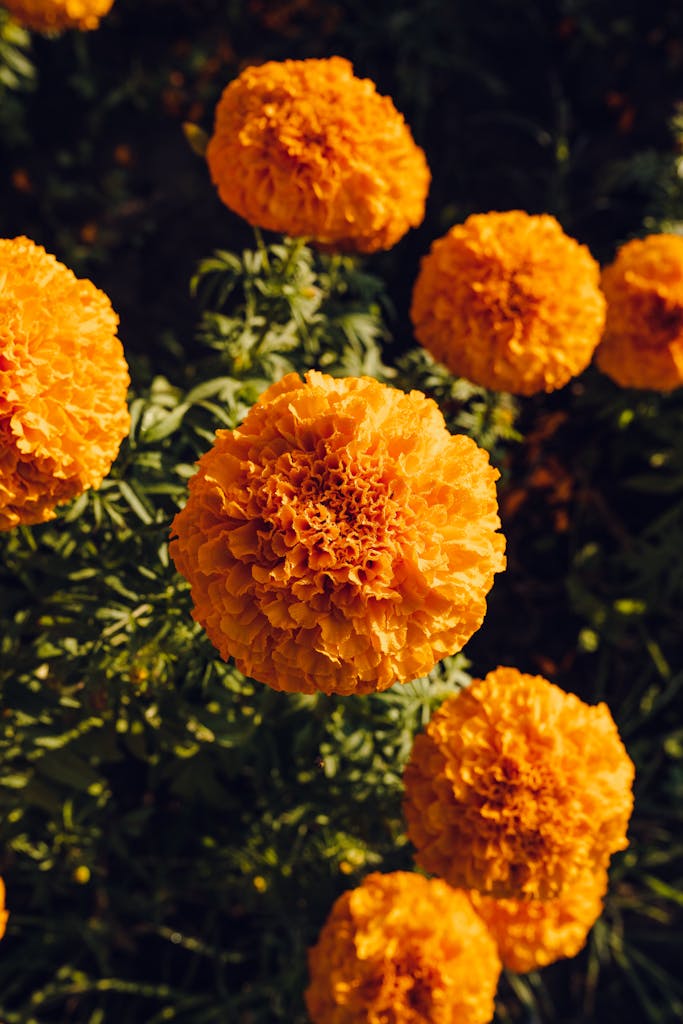
Marigolds are one of the most dependable tender annuals, but they still hate cold starts. These cheerful flowers love warmth, sun, and well-drained soil, which makes them a great choice for borders, vegetable gardens, patio pots, and walkway edges. Their bright yellow, orange, and red blooms can make even a plain garden bed look full and lively without much effort.
Common examples include French marigolds, African marigolds, and signet marigolds. French marigolds are compact and bushy, making them perfect for edging and small containers. African marigolds grow taller and produce larger, rounder flower heads, making them better suited as bold background plants. Signet marigolds have smaller flowers and delicate leaves, giving them a softer, more natural look in cottage-style gardens.
Zinnias
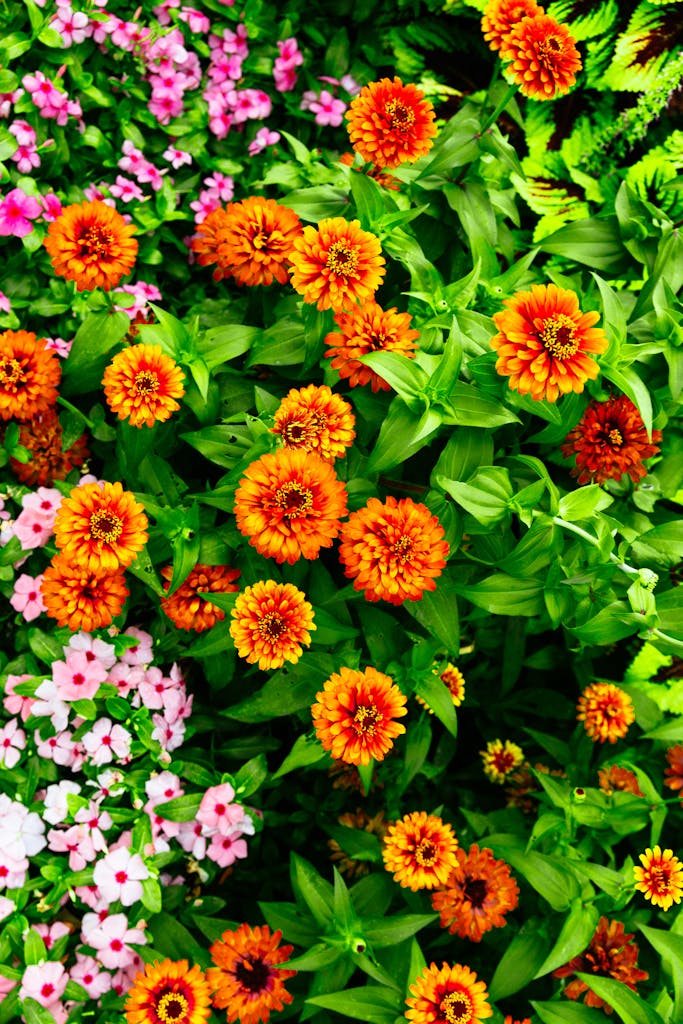
Zinnias are garden show-offs in the best way, but they can turn disappointing fast when planted in cold, wet conditions. These tender annuals need warm soil, bright sun, and enough space for air to move around their leaves. Once they settle in, they produce bold flowers in pink, red, orange, yellow, purple, white, and even mixed shades that look almost painted.
Popular examples include dwarf zinnias, cactus-flowered zinnias, and tall cutting zinnias. Dwarf zinnias are great for containers and the front of garden beds because they stay compact. Cactus-flowered zinnias have curled, spiky petals that add drama and texture. Tall cutting zinnias are excellent for bouquets because they produce long stems and keep blooming when flowers are regularly picked. They are beautiful, but crowd them too tightly and mildew can quickly ruin the display.
Petunias
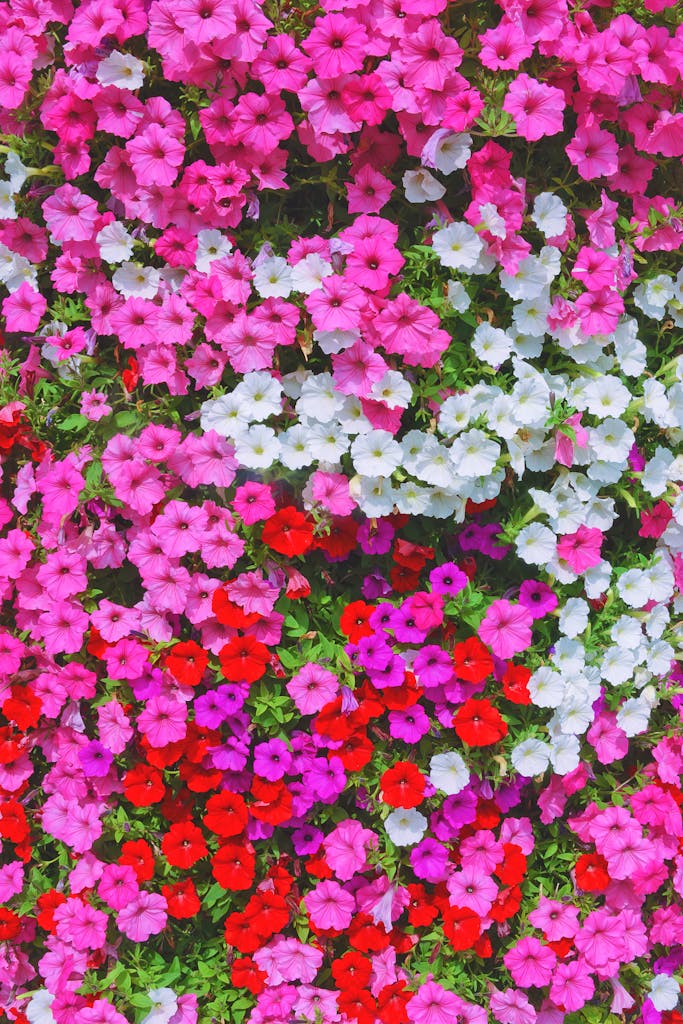
Petunias can make hanging baskets, window boxes, and porch planters look expensive, but they are not as carefree as they appear. These tender annuals need warmth, regular feeding, and consistent watering to keep producing flowers. A cold spell can slow them down, and soggy soil can make their roots suffer before the plant has time to recover.
Common examples include grandiflora petunias, multiflora petunias, wave petunias, and milliflora petunias. Grandiflora types have large, showy blooms, but they can look messy after heavy rain. Multiflora petunias produce smaller flowers in greater numbers, making them useful for beds and mass plantings. Wave petunias spread beautifully and spill over containers, walls, and baskets. Milliflora petunias stay small and neat, making them a smart choice for tight spaces where you still want color.
Impatiens
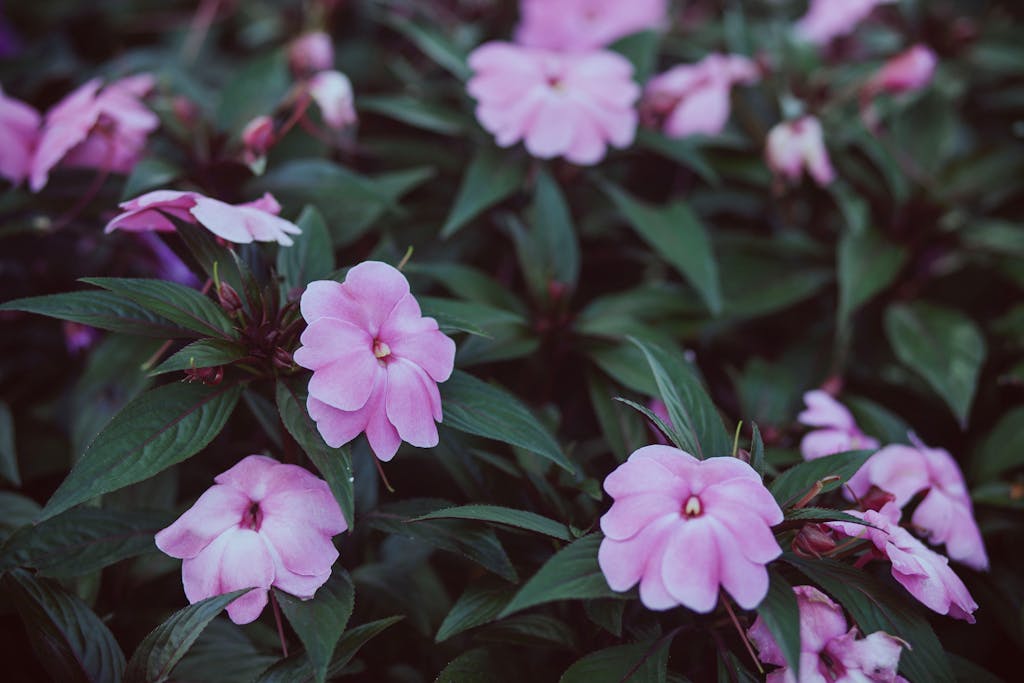
Impatiens are a favorite for shady corners, but they are tender annuals that dislike cold nights and harsh planting conditions. They thrive in warm weather, moist soil, and filtered light, making them useful in areas where sun-loving flowers struggle. Their soft, colorful blooms can brighten porches, shaded beds, and spaces under trees.
Examples include standard impatiens, New Guinea impatiens, and double impatiens. Standard impatiens are best for shade and come in colors such as pink, red, coral, purple, white, and salmon. New Guinea impatiens have larger flowers and often display glossy, colorful foliage, but they can tolerate a little more light than standard types. Double impatiens look almost like tiny roses, giving containers a fuller, more decorative look. The danger comes from overwatering or poor airflow, which can leave them limp, weak, or prone to disease.
Begonias
Begonias are beautiful, tender annuals for gardeners who want color without relying on full sun. They are popular because they offer both attractive flowers and interesting leaves, especially in containers, shaded beds, and porch displays. Still, begonias can be fussy when the weather is too cold, the soil stays too wet, or the roots sit in heavy ground.
Common examples include wax begonias, tuberous begonias, and rex begonias. Wax begonias are sturdy, compact plants with shiny leaves and small flowers in red, pink, or white. Tuberous begonias produce larger, more dramatic flowers that look stunning in hanging baskets and shaded patios. Rex begonias are grown mostly for their colorful, patterned leaves, which can feature silver, burgundy, green, purple, and swirling designs. They bring rich texture to a garden, but they need protection from cold, soggy soil, and harsh afternoon sun.
Conclusion
Tender annuals can make a garden look full, colorful, and professionally planned, but they punish impatience. Marigolds, zinnias, petunias, impatiens, and begonias all bring something special, from bold sunny borders to soft shaded containers. The trick is to wait until the weather is truly warm, give each plant the right light and spacing, and avoid treating them like tough plants that can survive anything.
When handled well, tender annuals reward you with fast color and steady beauty. When rushed into cold soil or neglected in poor conditions, they can turn into a frustrating waste of money. That is the hidden risk behind some of the prettiest plants in the garden center.