Bananas are one of the most commonly consumed fruits worldwide, yet few people realize how extraordinary this simple yellow fruit truly is. Beyond their usual role as a snack or smoothie ingredient, bananas hold a variety of secrets from ancient origins to surprising scientific facts. Here are five fascinating banana facts that go far beyond the peel.
Bananas Are Not Trees, But Giant Herbs
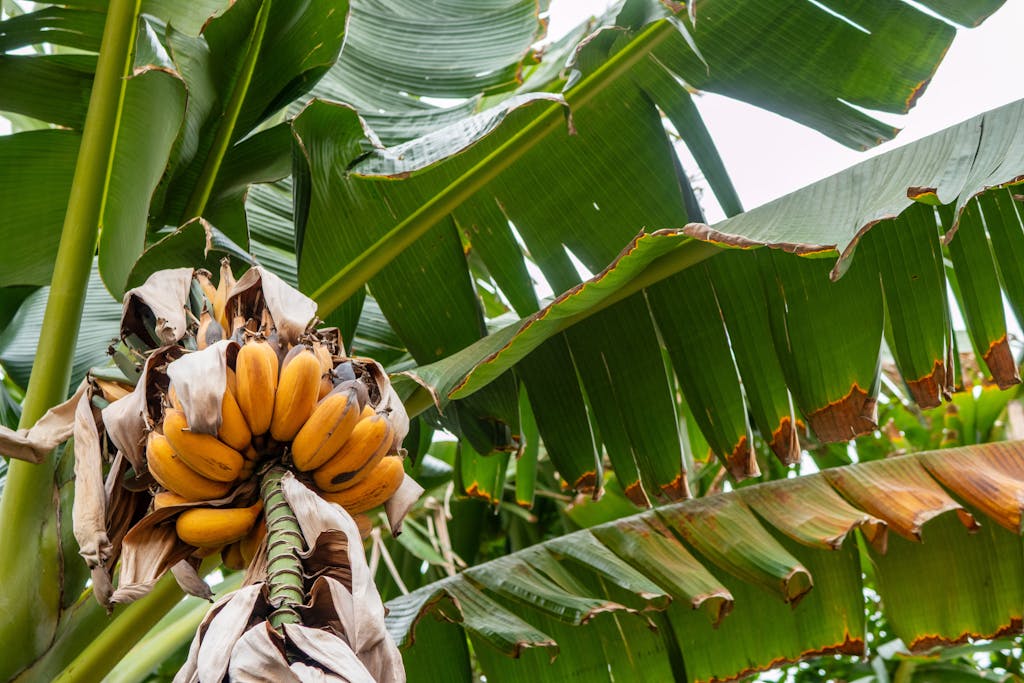
It might seem odd to call bananas anything other than the familiar tree we’ve always seen, but in reality, bananas grow on plants that are considered giant herbs, not trees. The structure that appears to be a trunk is actually a pseudostem made up of tightly packed leaves. This pseudostem is where the plant’s fruit grows, and once it has borne fruit, it dies off, making way for a new shoot. Unlike trees that grow from the same trunk year after year, the banana plant’s growth cycle is a process of succession, where each plant is replaced by a new shoot, keeping the cycle going. This fascinating growth method makes the banana plant far more complex than it first appears.
Bananas Are Berries, Not What You Think
When you think of berries, bananas probably don’t come to mind. However, from a botanical perspective, bananas are classified as berries. A berry is defined by its structure, and bananas meet that definition. Unlike strawberries, raspberries, or other commonly recognized berries, bananas develop from the ovary of a single flower with multiple seeds embedded inside, which is the hallmark of a true berry. This surprising fact can throw even the most seasoned fruit enthusiast off, but it shows that science doesn’t always align with everyday labels.
The Cavendish Banana is a Genetic Clone
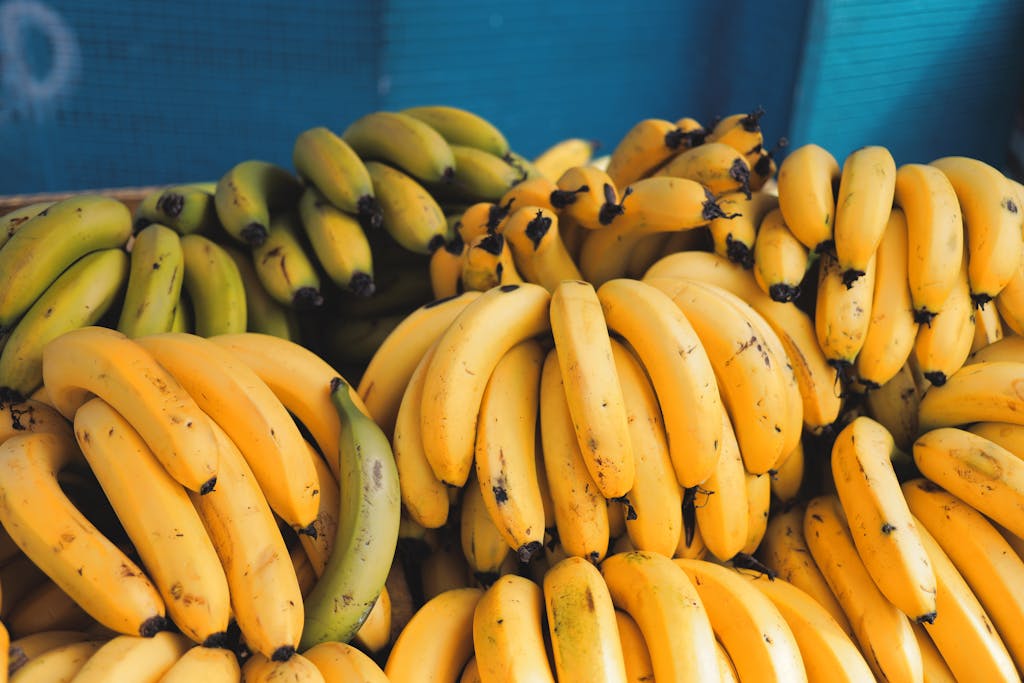
The bananas we most commonly consume, the Cavendish variety, are all genetically identical. This means that the fruit we eat today is essentially a clone of the same genetic material passed down through asexual propagation. While this consistency in taste and texture is part of what makes bananas so popular, it also poses significant risks. Because the Cavendish banana lacks genetic diversity, it is highly vulnerable to diseases. In fact, an ongoing threat to banana crops, such as the Panama disease caused by a specific soil fungus, is threatening to wipe out the Cavendish entirely. Without genetic variation, these bananas have no natural defenses against pathogens that could destroy entire crops.
Bananas Can Be Used for More Than Just Eating
Beyond being a convenient snack, bananas have several industrial uses that many people don’t realize. Banana plant fibers, including the pseudostems, are incredibly strong and have been used for centuries in many parts of the world. In some regions, banana fibers are used to create textiles, paper, and even ropes. The banana peel also has surprising utility; aside from its role in composting, it can act as a natural water filter, removing impurities from contaminated water. This versatility proves that bananas are not just for eating; they play a role in environmental sustainability and material production.
Bananas Are Radioactive, But in a Safe Way

Yes, bananas are radioactive, sort of. Bananas are considered radioactive because they contain potassium. Specifically, they have a small amount of potassium-40, a naturally occurring isotope. However, before you start worrying, the radiation level is incredibly low. To receive a harmful dose of radiation from bananas, you’d need to consume around 700 bananas a day for an entire lifetime. So while bananas are technically radioactive, the levels are so minuscule that they don’t pose any health risks, making this fact more of a curiosity than a cause for concern.
Bananas Are Picked Green and Controlled During Ripening
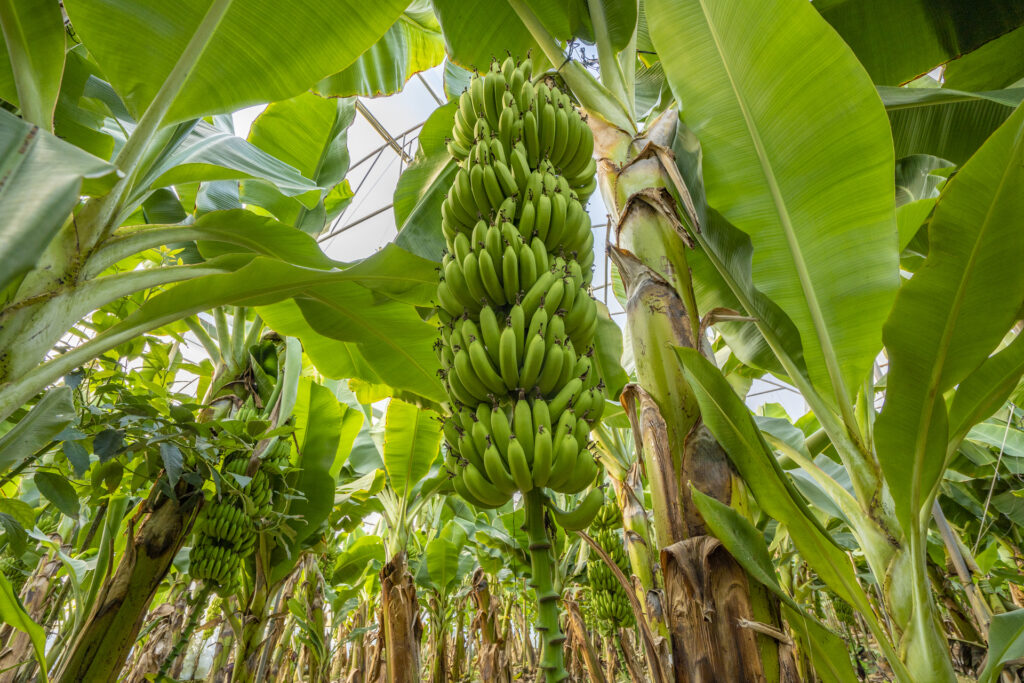
One reason bananas became such a global success is that they are usually harvested before they fully ripen. They are picked green, shipped while still firm, and then carefully ripened later so they reach stores in a condition people actually want to buy. This system helps prevent bruising, spoilage, and waste during transport, especially since bananas travel long distances before landing in homes, restaurants, and shops. What seems like a naturally perfect fruit display is actually the result of a very controlled process. The banana’s journey from plantation to store is far more managed than most shoppers realize.
Conclusion
Bananas are more than just a simple fruit. With their rich history, surprising biological facts, and diverse uses, they remain among the most fascinating and useful fruits in the world. The next time you grab a banana, you’ll be holding a piece of agricultural history, a botanical marvel, and an important player in global food production.