Car washes seem simple enough. You pull in with a dusty exterior, bug-splattered windshield, and muddy wheels, and within minutes, your vehicle looks brand new.
The problem is that many drivers treat the process like a vending machine: pay, wait, leave. That casual approach is how scratches, scuffs, water spots, and even minor structural damage quietly happen.
Every car deserves a little more care during a wash, because a tiny mistake can turn a routine cleaning into an expensive repair nightmare.
Shifting Out of Neutral Too Early
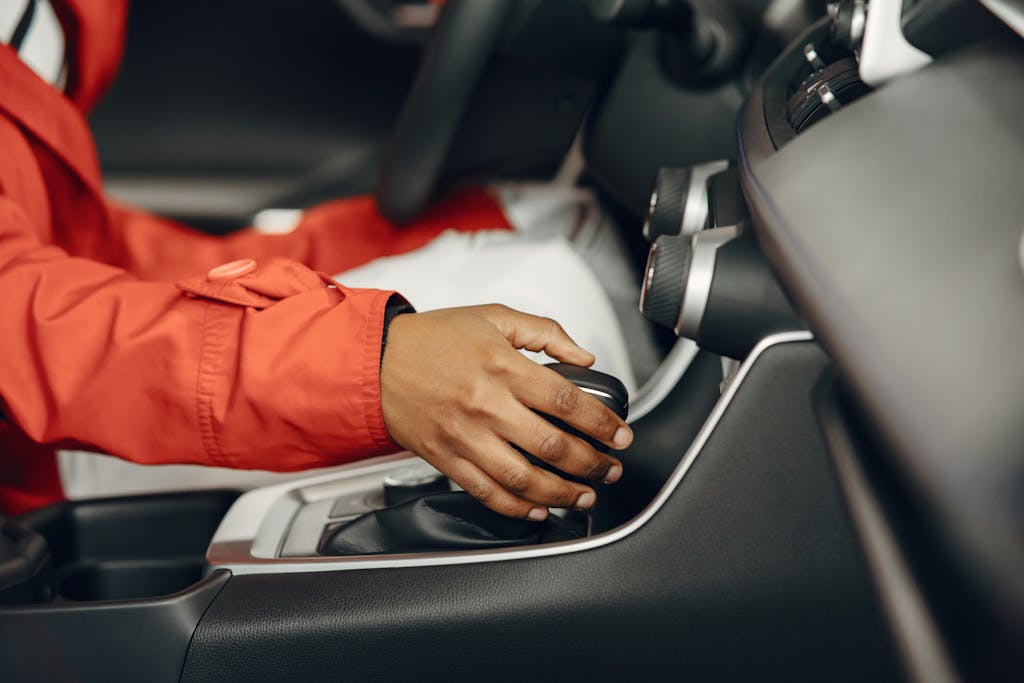
Automatic car washes require that your vehicle remain in neutral while moving through the system. Shifting too soon, braking, or trying to accelerate can disrupt the conveyor mechanism and put unnecessary strain on your transmission.
This mistake usually happens when drivers panic at the sound of the dryers roaring or when the brushes move closer than expected. Staying in neutral until the system signals the end ensures your car moves safely and prevents sudden jerks or mechanical strain that could lead to expensive repairs.
Using Household Soap
It might seem like a good shortcut, but dish soap and household cleaners are enemies of your car’s paint. While effective on greasy pans, they strip protective wax and dull the clear coat, leaving your paint more exposed to the elements.
Automotive-grade soap is specifically formulated to clean without harming the finish. Using a soft microfiber mitt or towel with proper car soap ensures grime is removed safely, preserves shine, and protects the surface from oxidation.
Many drivers unknowingly accelerate paint deterioration by washing their cars with the wrong products at home.
Skipping Post-Wash Inspection
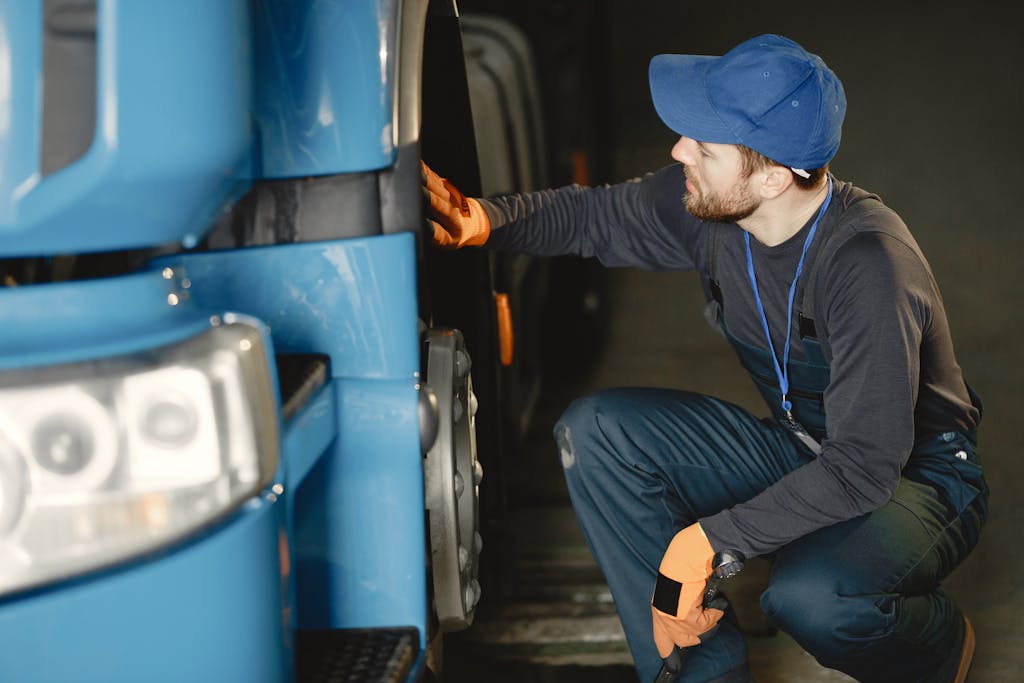
After the rinse and shine, many drivers admire the gleam and drive off, only to miss fresh scratches, loose parts, or water in unexpected areas. A quick inspection immediately after the wash allows you to spot issues while they are still fresh and document them if needed.
Check mirrors, trim, windshield, wipers, wheels, and license plates. This simple step can help address problems immediately rather than discovering them days later when it’s harder to prove they happened during the wash.
Even small dings or watermarks can escalate into costly repairs if ignored.
Leaving Mirrors Unfolded

Side mirrors might seem insignificant, but they are surprisingly fragile during automated washes. Brushes, nozzles, and moving parts come into close contact, and protruding mirrors are prime targets for scratches or cracks.
Folding mirrors inward, retracting antennas, and securing loose trim reduces the risk of damage. Even in modern washes that claim to handle standard mirror positions, variations in equipment and wear-and-tear can still lead to chips, scrapes, or snapped components.
Taking a few seconds to fold mirrors could save hundreds in repairs.
Ignoring Track Alignment
Conveyor-style washes rely on your tires being properly aligned on the track. Even a slight misalignment can cause your vehicle to shift to the side, resulting in scuffs, wheel damage, or contact with the wash equipment.
Many drivers rush the entry point, trying to follow the car in front without checking the arrows or guides. The result is often minor dents or scratches that a careful, slow approach could have avoided.
The key is patience: ensure your tires are properly seated and wait for confirmation before letting the system take over.
Scrubbing Before Rinsing
Many drivers make the rookie error of scrubbing their car before removing loose dirt and grit. What looks soft and harmless can behave like sandpaper, leaving swirl marks and scratches across your paint.
This is especially true at self-service bays, where brushes may have already collected grime from other vehicles. To protect your finish, always rinse the car thoroughly from top to bottom before touching it with a mitt or brush. Even the brush itself should be rinsed first.
Skipping this step is like trying to wash a window with sand stuck on it: it leaves permanent damage in its wake.
Washing a Damaged Car
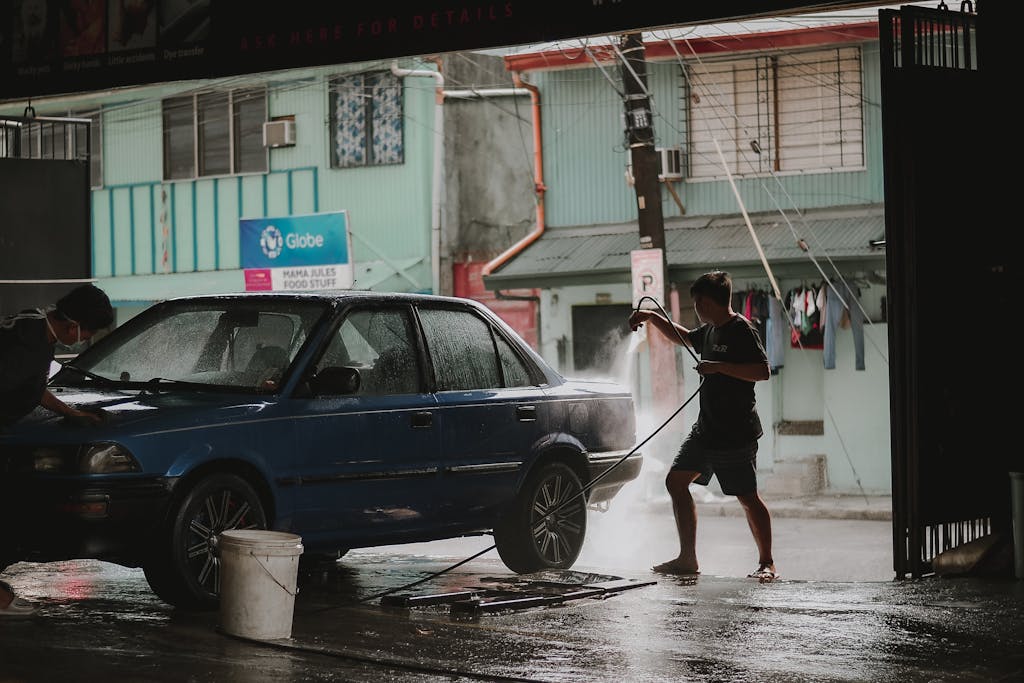
Cars with pre-existing damage—like cracked windshields, loose bumper trim, dangling license plates, or peeling moldings—are particularly vulnerable during washes.
High-pressure water jets and moving brushes can worsen these weaknesses, sometimes turning minor issues into major repairs. For instance, a cracked windshield might shatter further, or a loose bumper could be ripped off entirely.
Always inspect the exterior before entering an automatic wash. If any part looks unstable, skip the machine and either hand-wash gently or take the vehicle to a professional detailer.
The Takeaway
A car wash should protect your vehicle’s appearance, not leave you with regrets. Regular cleaning removes dirt, road salt, and grime that can corrode paint or damage undercarriage components over time. But it only works when paired with mindful habits.
Rinse before scrubbing, fold mirrors, align tires, stay in neutral, avoid washing damaged areas, use proper soap, and inspect afterward. These small precautions ensure your car stays clean, safe, and looking its best, while preventing hidden damage that could quietly rack up repair bills.
Treat a car wash like a proper part of vehicle maintenance, and your ride will thank you for years to come.