Gardening is often a hobby passed down through generations, with a wealth of knowledge accumulated over time. However, some of this knowledge comes with misconceptions that can do more harm than good. If you’re trying to grow a thriving garden, it’s crucial to separate fact from fiction. Here are seven common garden myths that might be sabotaging your efforts, along with the truths you need to embrace instead.
Watering Plants Every Day Is a Must

Reality: Overwatering is just as harmful as underwatering, if not worse. While some plants require daily watering, most garden plants prefer deep, less frequent waterings. The key is to check the soil’s moisture level.
If the top two inches are dry, it’s time to water, but be sure not to drown your plants. A good rule of thumb is to water early in the morning or late in the evening to reduce evaporation and prevent fungal growth.
You Can’t Grow Plants in Shade
Reality: Not all plants need full sun to thrive. While sun-loving plants like tomatoes and peppers do best in direct sunlight, many plants flourish in the shade.
Hostas, ferns, and some varieties of coleus are just a few examples of shade-loving plants that can add lush greenery to your garden. The trick is knowing which plants are suited for low-light environments.
Compost Smells Terrible
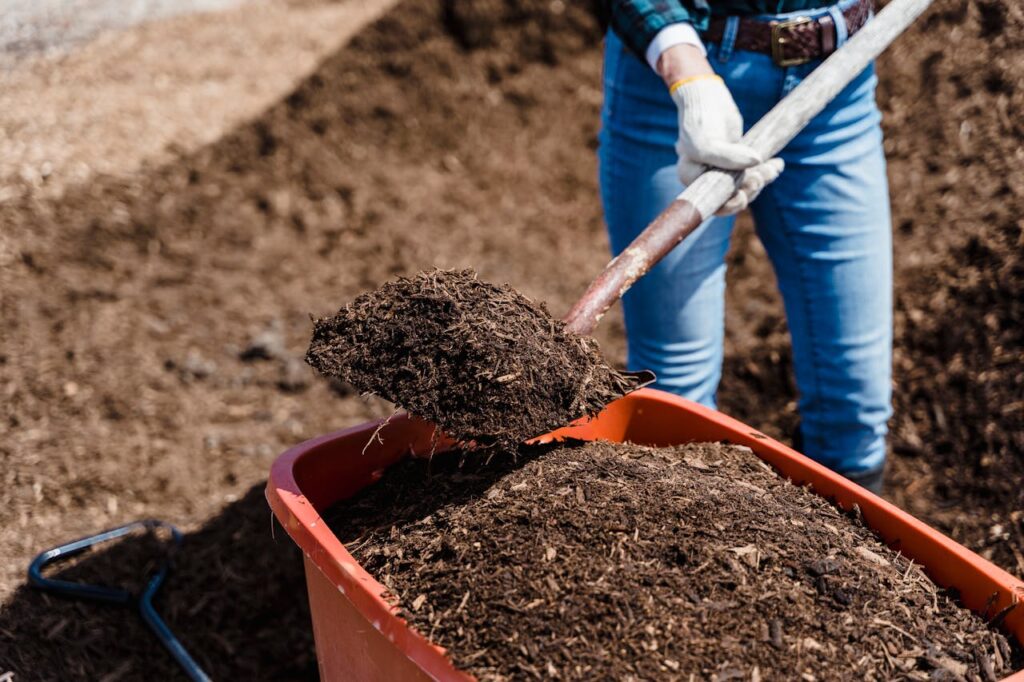
Reality: When managed correctly, composting doesn’t have to be stinky. A well-balanced compost pile should have a pleasant earthy smell.
The key is maintaining the right ratio of green (nitrogen-rich) and brown (carbon-rich) materials. If your compost smells foul, it may be too wet or too much “green” material is added. Turn your compost regularly and aerate it to keep it fresh.
All Insects Are Bad for Your Garden
Reality: While it’s true that some insects can wreak havoc on your plants, many others are beneficial. Ladybugs, for example, are excellent at controlling aphids, while bees help with pollination.
The goal should be to foster a healthy ecosystem in your garden by encouraging good bugs and deterring harmful ones. Chemical pesticides should be a last resort, as they can harm beneficial insects and pollinators.
You Should Always Use Synthetic Fertilizers for Maximum Growth
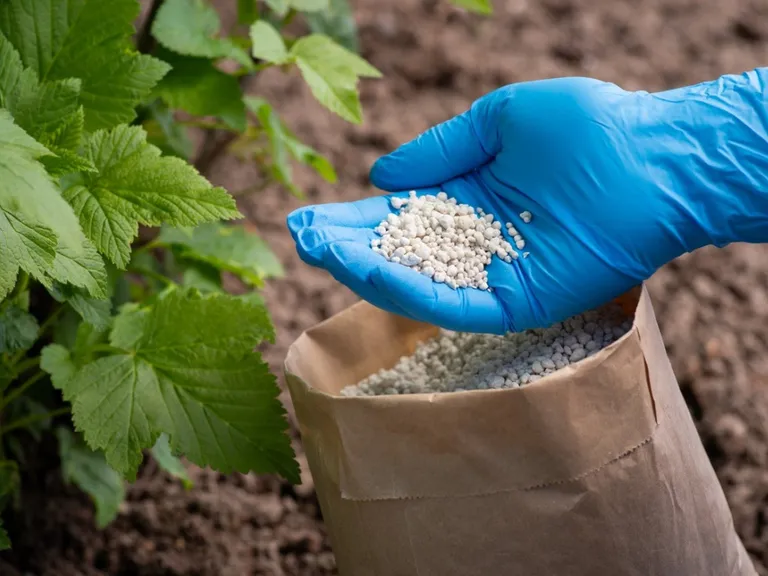
Reality: While synthetic fertilizers can provide quick results, they can also harm your soil over time by disrupting the balance of beneficial microorganisms.
Organic fertilizers, such as compost or fish emulsion, enrich the soil without harsh chemicals. They release nutrients slowly, improving the long-term health of your garden and fostering a more sustainable ecosystem.
Mulch Prevents All Weeds
Reality: While mulch is a great tool for suppressing weeds, it’s not a foolproof solution. Weeds can still sneak through, especially if the mulch layer is too thin or uneven.
The best way to prevent weeds is to use mulch in combination with other methods, such as applying a layer of cardboard or newspaper beneath the mulch, which helps block sunlight and inhibits weed growth.
You Should Prune Plants to Make Them Grow Faster

Reality: Pruning can be beneficial, but not always for the reasons people think. Pruning to “force” growth can stress your plants and stunt their development.
Instead, pruning should focus on removing dead or diseased wood, shaping the plant, and improving air circulation. Over-pruning or aggressive cutting back can harm the plant, leading to reduced growth or even death.