Cruise vacations are marketed as luxurious escapes, yet recent events reveal that even premium experiences can turn catastrophic. A family aboard a Carnival Cruise recently encountered a severe plumbing failure that flooded their cabin with sewage, exposing risks rarely disclosed in promotional materials. Incidents like this highlight the vulnerabilities of cruise infrastructure and the potential hazards passengers face, even in the middle of the night.
This article explores seven shocking realities about cruise mishaps, drawing from recent viral events and historical incidents, to inform travelers and emphasize caution when booking a cruise vacation.
Sewage Backups Can Happen Anywhere on the ship.
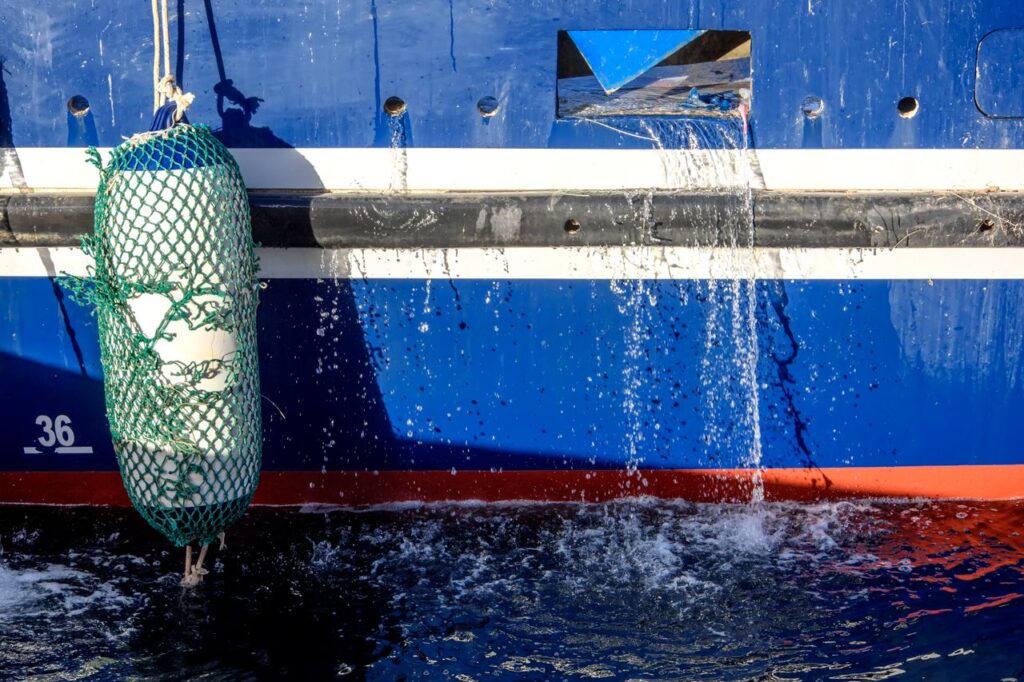
Despite rigorous maintenance protocols, cruise ship plumbing can fail, leading to hazardous sewage spills. In one viral incident, a family awoke to dark, foul-smelling water flooding their cabin, illustrating that mechanical failures can occur in passenger rooms without warning. Exposure to raw sewage presents health risks, including bacterial infections and respiratory irritation, making an immediate response critical.
Crew Response May Be Slow or Inadequate
Even when passengers report urgent issues, crew intervention can be delayed. In the reported incident, staff took approximately 15 minutes to respond, leaving the family to manage the situation themselves temporarily. Limited personnel, procedural bottlenecks, or underestimation of the issue can exacerbate passenger distress.
Cabin Relocation Is Logistically Difficult
Switching cabins in an emergency is not always straightforward. Passengers may have to pack belongings quickly, wake children, and transport luggage themselves if staff assistance is limited. The logistical challenges highlight gaps in onboard emergency protocols for non-medical crises.
Health Hazards Persist After Cleanup
Even after moving to a new cabin, residual odors and contamination can remain. In the viral case, the family reported that the smell lingered, likening it to a porta-potty. Without professional sanitation and thorough decontamination, lingering hazards may compromise respiratory and skin health.
Compensation Often Falls Short of the Distress
Cruise operators may offer minimal remediation, such as a single-night refund or dinner vouchers, which may not fully account for the physical, emotional, and logistical burden. Passengers are left to judge whether the compensation adequately reflects the inconvenience, disruption, and health risks they experienced.
Past Incidents Reveal a Pattern
Historical examples, including the notorious 2013 Carnival Triumph incident, show that similar plumbing or power failures have repeatedly occurred. Viral reactions to current events frequently reference prior “poop cruises,” suggesting systemic maintenance or design flaws. Recurrent incidents raise concerns about long-term safety and infrastructure reliability on cruise lines.
Social Media Amplifies Awareness and Risk Perception

Viral videos on platforms like TikTok can quickly draw public attention to cruise mishaps, influencing perception and traveler confidence. In the highlighted case, the family shared their experience with millions of followers, sparking widespread concern and discussion about cruise hygiene and safety. While awareness is beneficial, social amplification can also exaggerate fear, disproportionately impacting industry reputation.
Conclusion: Cruise Vacations Are Not Without Risk
Cruise experiences, while often marketed as idyllic, can be disrupted by infrastructure failures, inadequate response, and health hazards. The seven realities outlined, sewage backups, delayed crew response, relocation challenges, persistent contamination, minimal compensation, historical patterns, and social amplification, underscore the potential for serious disruption even during premium vacations.
Travelers should prioritize research, emergency preparedness, and realistic expectations when booking cruises. Awareness of these risks enables informed decision-making, ensuring that passengers take proactive measures to safeguard their health, comfort, and peace of mind during maritime travel.