Modern life keeps selling us the same shiny promise: everything will be faster, easier, smoother, and smarter. We are told that apps will save time, automation will remove stress, screens will replace clutter, and subscriptions will give us instant access to whatever we need. Yet somewhere between scanning QR codes, resetting passwords, updating apps, and paying monthly fees for things we once owned outright, convenience started to feel suspiciously like extra work.
The problem is not technology itself. The problem is technology that solves a tiny inconvenience by creating five new ones. Many so-called upgrades do not truly simplify life for ordinary people. They shift effort from companies to customers, replace reliable tools with fragile systems, and make everyday routines depend on batteries, Wi-Fi, logins, and patience.
Automated Bill Pay

Automated bill pay sounds like one of the most sensible inventions of modern life. We set it up once, stop worrying about due dates, and assume our bills will quietly take care of themselves in the background. That promise works beautifully until a card expires, a bank account changes, a password stops working, or a company updates its billing portal without warning. Suddenly, a system designed to reduce stress becomes the very thing that creates it.
The old way was slower, but it was often clearer. We received a bill, reviewed it, paid it, and knew exactly what happened. Automated systems can hide mistakes until they become expensive. A small failed payment may lead to late fees, service interruptions, overdraft charges, or a long customer service call where the automated voice keeps insisting it can help when it clearly cannot.
This is where the convenience begins to feel one-sided. Companies benefit from predictable, recurring revenue, fewer mailed statements, and fewer staff handling basic payment issues. Customers, meanwhile, inherit the work of updating cards, monitoring alerts, remembering logins, and chasing refunds when something goes wrong. It may be digital, but it does not always feel easier.
QR Code Menus
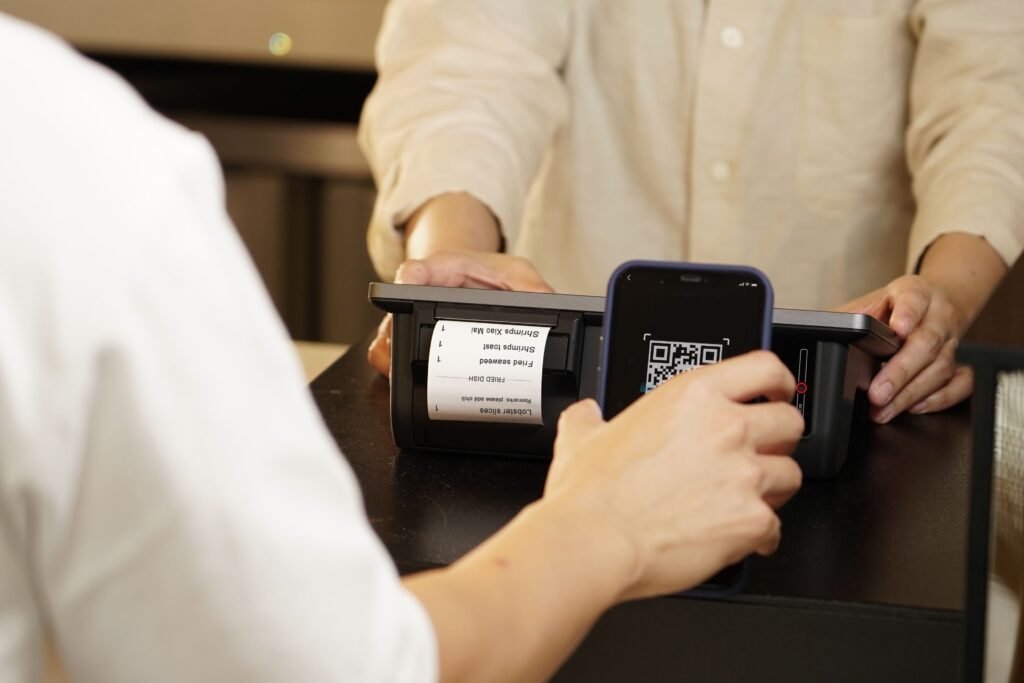
QR code menus were presented as modern, hygienic, and efficient, but they often make a restaurant meal feel strangely detached. Instead of sitting down, relaxing, and browsing a physical menu, guests now reach for their phones before they even taste the water. They scan a code, wait for a page to load, zoom into tiny text, scroll through awkward categories, and try to compare dishes on a screen that was never designed for relaxed dining.
The frustration worsens when the signal is weak, the restaurant’s website is slow, or the menu opens as a poorly formatted PDF. Older guests may struggle with scanning. Parents may not want children asking for phones at the table. Some diners simply want a break from screens after spending the whole day staring at them. A restaurant should feel like a pause from digital life, not another checkpoint in it.
Printed menus also carry a quiet kind of hospitality. They are easy to share, browse, and discuss across the table. They give the meal a beginning. QR menus, by contrast, can make everyone look down at their own devices, silently scrolling rather than talking. That may look efficient on paper, but it changes the atmosphere in a way many people feel immediately.
Parking Apps
Parking used to be one of the simplest transactions in public life. We found a space, dropped coins into a meter, swiped a card, or paid at a nearby machine. Now, many parking lots require a dedicated app, and each app seems to believe it deserves permanent space on our phones. Before we can even run a short errand, we may have to download software, create an account, verify an email, enter a license plate, add payment details, and choose the correct parking zone.
That process might make sense for someone who parks in the same location every day. It becomes absurd when we only need 20 minutes to get to a pharmacy, office, restaurant, or train station. A task that should take seconds becomes a small administrative project. The pressure rises because mistakes can be expensive. Enter the wrong plate number, choose the wrong zone, lose signal, or experience an app crash, and a parking ticket may appear anyway.
The hidden cost is not just time. It is mental clutter. Our phones fill with one-use apps from different cities, malls, hospitals, airports, and private lots. Each one wants permissions, notifications, payment data, and updates. The parking company saves money by operating fewer physical machines, but drivers pay the price with attention, privacy, and frustration.
Touchscreens

Touchscreens look modern, clean, and expensive, which is why manufacturers love them. They remove the visual clutter of buttons, creating a sleek surface that seems futuristic in advertisements. Yet in real life, touchscreens often make basic tasks harder by removing the physical feedback that once guided our hands. A knob can be turned without looking. A button can be found by feel. A touchscreen demands attention every time.
This becomes especially troubling in cars. Adjusting the temperature, changing the fan speed, or switching audio settings should be quick and instinctive. When those controls are buried inside a digital menu, drivers must glance away from the road, tap carefully, and sometimes repeat the action if the screen lags or misreads the touch. What looks elegant in a showroom can become annoying, distracting, and even unsafe during daily driving.
Touchscreens also create accessibility problems. People with tremors, poor eyesight, large fingers, cold hands, or limited mobility may struggle with small icons and flat glass surfaces. Physical controls were not perfect, but they were often more forgiving. The push toward screen-based everything sometimes mistakes minimalism for usability, leaving ordinary users to deal with the consequences.
Cloud Storage
Cloud storage promises peace of mind. Our photos, videos, documents, and backups float safely somewhere beyond our devices, ready to appear whenever we need them. That sounds comforting until the free storage fills up, sync errors occur, passwords fail, or a monthly payment is required just to keep access smooth. Suddenly, our own memories feel like they’re behind a subscription gate.
The emotional weight of cloud storage is easy to underestimate. Family photos, school files, business documents, and creative projects are not just random data. They carry real value. When a cloud account warns that storage is full, threatens to stop syncing, or pressures us to upgrade, it creates anxiety around things we thought were safely handled. We no longer simply own a folder. We manage a digital relationship with a company.
Physical storage has its risks, but it also offers direct control. A hard drive, a flash drive, or a local backup does not require a monthly fee to remain useful. Cloud storage can be powerful when used wisely, but total dependence on it makes everyday life more fragile. We gain access across devices, but we lose the quiet certainty of knowing exactly where our files are and who controls them.
Multi-Factor Authentication
Multi-factor authentication is useful for protecting bank accounts, work systems, email, and private information. Few people want weaker security in a world full of scams, hacks, and stolen passwords. The problem begins when every simple login turns into a security obstacle course. A quick task becomes a password, then a text code, then an authenticator app, then a device approval, then another login because the session expired.
This constant interruption wears people down. Workers lose focus when they are repeatedly pulled away from their tasks to verify their identities. Students trying to access class portals, employees checking schedules, and customers logging into simple accounts all face the same friction. Security that appears reasonable in policy documents can feel excessive in ordinary life when repeated dozens of times a week.
The biggest weakness appears when the second factor becomes unavailable. Lose a phone, change a number, break a device, or travel without service, and access can collapse quickly. A tool designed to protect us can lock us out of our own accounts. Good security should feel strong but proportionate. Too often, modern verification feels like using a bank vault key to open a kitchen drawer.
Digital-Only Entertainment

Entertainment used to feel more permanent. We bought a DVD, a CD, a book, or a game disc, placed it on a shelf, and knew it was ours. We could lend it, resell it, replay it, or keep it for years without asking a platform for permission. Digital entertainment changed that relationship. Now, a purchase often depends on an account, a license, a storefront, an internet connection, and a company’s long-term willingness to keep the content available.
Gaming shows this problem clearly. Even physical discs may require huge downloads before the game can be played. Updates can take hours. Servers may be required for features that once worked offline. A product bought at full price can feel incomplete until the internet finishes assembling it. The excitement of opening something new is replaced by waiting, patching, logging in, and hoping the system works.
Streaming and digital libraries create similar uncertainty. Movies can disappear from platforms. Music can be removed due to licensing issues. Games can become unavailable when storefronts close or publishers stop supporting them. We have gained instant access, but we have lost the sense of sturdy ownership. Digital convenience is wonderful until it reminds us that access is not the same as possession.