Dish soap is often the first cleaning solution we reach for, from scrubbing kitchen counters to washing dishes. It’s convenient, inexpensive, and available in every household. However, despite its versatility, dish soap can do more harm than good in certain situations. When used incorrectly, it can damage items and surfaces, resulting in irreversible damage. Here’s a guide to the top 7 things you should avoid cleaning with dish soap, so you can preserve your belongings and avoid costly mistakes.
Marble Countertops

Marble countertops are known for their elegant and polished appearance, but using dish soap on them can ruin that pristine finish. The soap can leave streaks and cause the surface to lose its shine over time. Even worse, dish soap can etch the stone, dulling its luster. To clean marble, use a pH-balanced cleaner specifically designed for stone surfaces, or a mixture of warm water and mild soap. Be sure to dry the surface thoroughly to prevent water spots.
Dishwashers
It may be tempting to use dish soap in place of dishwasher detergent when you’re out, but this is dangerous. Dish soap creates copious amounts of foam, and your dishwasher is not designed to handle it. The suds can spill out, flooding your kitchen and potentially damaging both the dishwasher and your flooring. Stick to dishwasher detergent to avoid this messy, costly situation.
Mirrors

Using dish soap on mirrors is a surefire way to leave streaks and soapy residue, making your mirrors look worse than when you started. Dish soap isn’t designed for the smooth surface of glass and can leave behind an unattractive film. For a streak-free shine, use a glass cleaner or a mixture of water and diluted vinegar. These solutions are much gentler on mirrors and leave them sparkling clean without scrubbing.
Coffee Makers
If you’ve ever cleaned your coffee maker with dish soap, you’ve likely encountered the bubbly nightmare that follows. The suds can overflow, creating a mess inside your coffee machine. Even worse, the soapy residue left behind can affect the taste of your coffee. Instead of dish soap, use a simple vinegar solution. This natural cleaner effectively removes mineral buildup and sanitizes your coffee maker, leaving no soap residue. It’s the best way to maintain your coffee maker’s performance and preserve the taste of your brew.
Leather
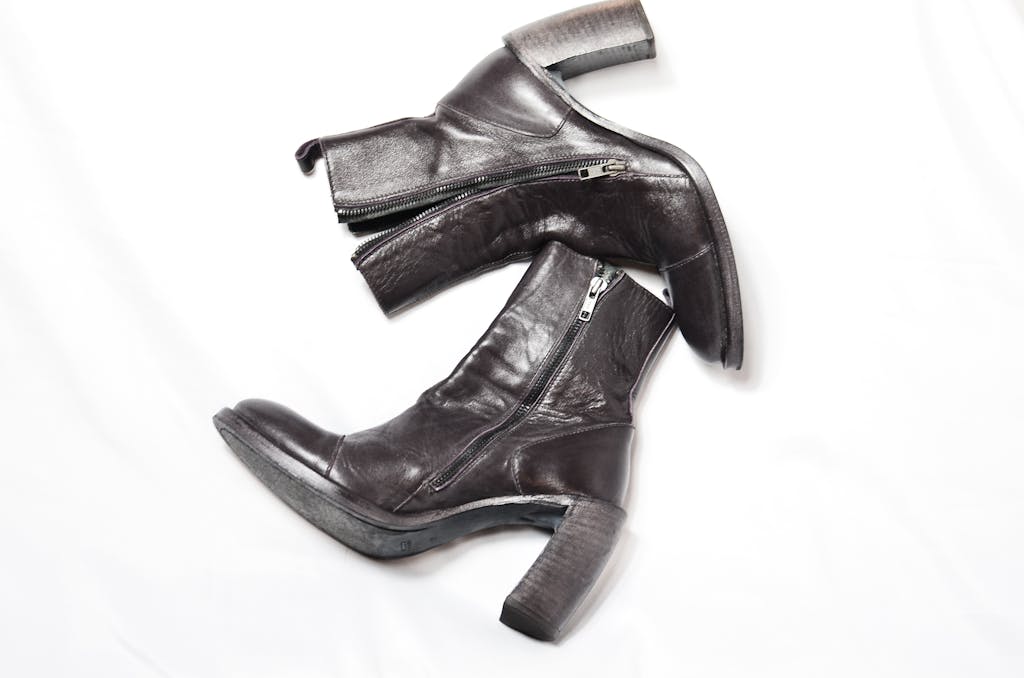
Leather is a delicate material that requires special care to maintain its appearance and longevity. Dish soap, with its harsh chemicals, strips away the natural oils that keep leather supple and flexible. Over time, this can lead to dryness, cracking, and irreversible damage. To clean leather, use a dedicated leather cleaner or a mild soap-and-water mixture. Always follow up with a leather conditioner to replenish the oils and keep your leather items in top condition.
Cast Iron Cookware
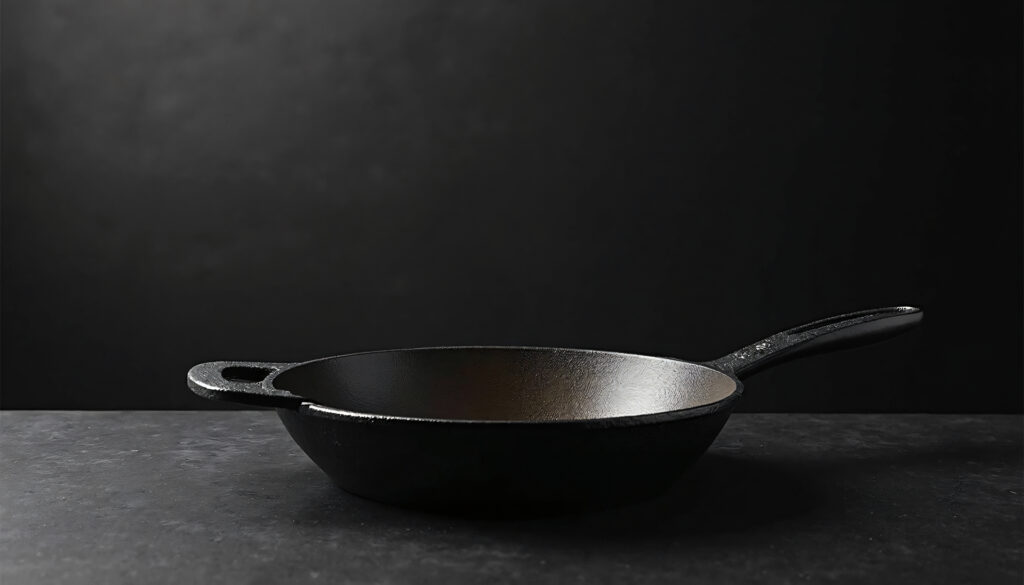
Cast iron cookware requires special attention to preserve its seasoning, the layer of oils that builds up over time and creates a naturally non-stick surface. Using dish soap on cast iron can strip away this crucial layer, leaving your cookware prone to rust and harder to cook with. Instead, clean your cast-iron skillet with hot water and a brush. For tough spots, use a cast-iron cleaner designed to maintain the seasoning. This will ensure your cast iron lasts for generations.
Gold-Plated Items
Gold-plated jewelry and other gold-plated items require a gentle touch to maintain their shine. Dish soap can damage the plating over time, causing it to fade or peel. Gold is a soft metal, and harsh chemicals can strip away the thin gold layer, leaving your valuables looking lackluster. Always use a cleaner specifically formulated for gold-plated items. This will ensure that your jewelry stays as beautiful as the day you bought it.
Conclusion
While dish soap is a handy tool for everyday cleaning, it’s important to know when to put it down and opt for a more suitable alternative. From coffee makers to cast-iron cookware, using the wrong cleaning solution can cause damage that could have been easily avoided. By following these tips and using the correct cleaning methods for each item, you can preserve the longevity and appearance of your belongings, saving you time, money, and frustration in the long run.