Some weeks pass quietly, but others hit like a news whirlwind, packing disasters, surprises, and breakthroughs into just seven days. This week in May 2026 showed how quickly reality can change, making the world feel more connected and urgent for the audience.
China’s Fleet Floods South China Sea
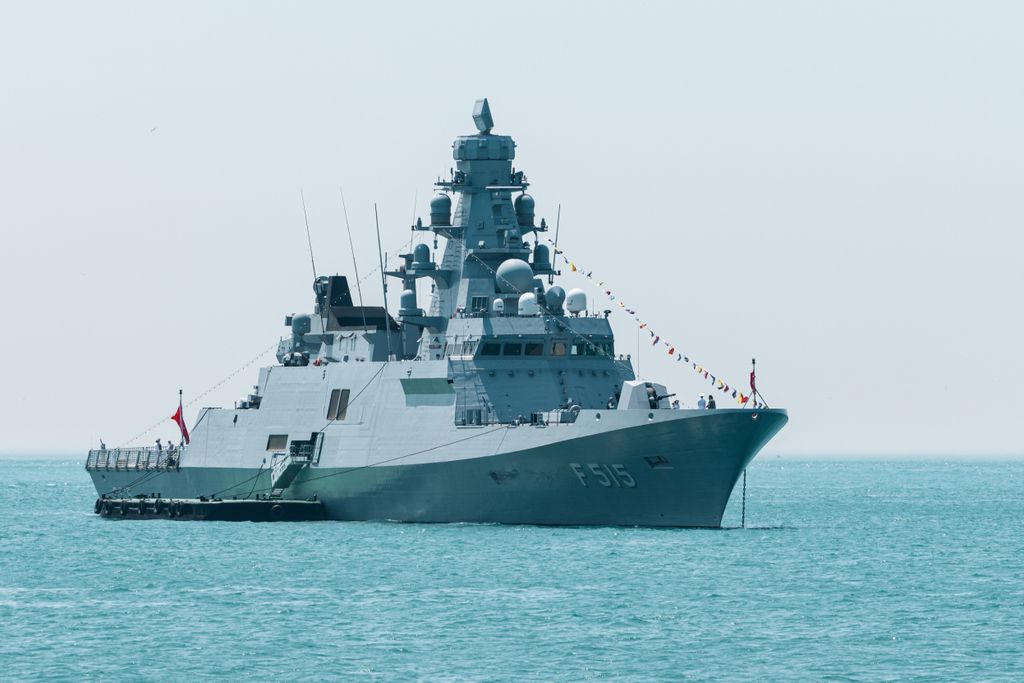
In a jaw-dropping show of force, officials reported that over 80 vessels from the Chinese Coast Guard and navy were spotted in the contested waters of the South China Sea.
The presence of so many military vessels not only heightened regional tensions but also raised questions about potential impacts on international trade routes and diplomatic relations, prompting concerns about broader geopolitical stability.
The scale of the deployment was remarkable, not just for the numbers, but for the strategic message it conveyed. It reminded the world that maritime disputes are not abstract geopolitical puzzles they can shift in an instant, altering trade patterns, security arrangements, and diplomatic relationships.
As nations scrambled to respond, analysts warned that even routine naval maneuvers now carried the weight of global attention, and that small incidents could escalate into dangerous standoffs.
Central U.S. Hit by Brutal Tornado Outbreak
Midwestern states faced one of the most severe tornado outbreaks in recent memory, reminding the audience of how unpredictable and dangerous spring storms can be, affecting communities and daily life.
Beyond the immediate damage, the outbreak illustrated the increasing volatility of spring storms, with meteorologists pointing to changing atmospheric patterns and erratic jet streams. The combination of heavy rainfall, violent winds, and massive hail created conditions that amplified the risk for injuries and long-term property loss.
For many, the tornadoes were a stark reminder that natural forces can strike unpredictably, leaving even experienced storm chasers and emergency planners scrambling to adjust.
Unusual Flash Flood Threats Sweep the Southern United States
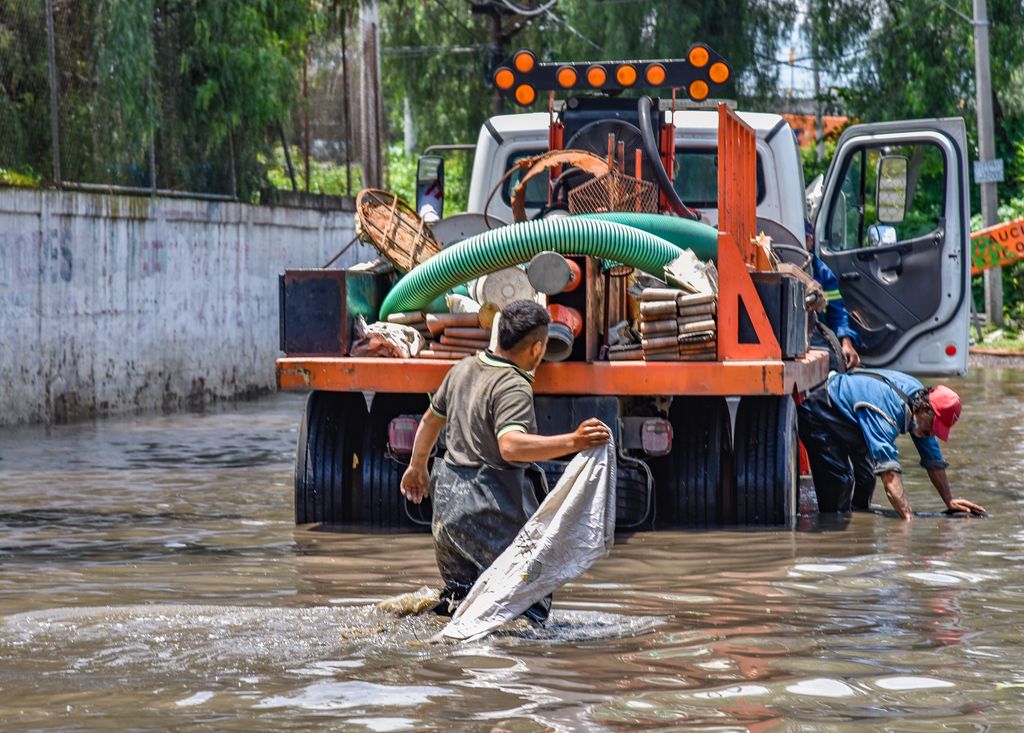
While the central states battled tornadoes, the Southeast faced another weather nightmare: flash floods that transformed familiar streets into flowing rivers. Thunderstorms that lingered over cities dumped relentless sheets of rain, overwhelming drainage systems and forcing drivers to abandon vehicles in rising waters.
Entire neighborhoods became islands as floodwaters swelled, damaging homes, businesses, and critical infrastructure.
The sudden floods highlighted a growing concern about urban planning and storm preparedness. Experts noted that while heavy rain is a recurring seasonal phenomenon, population growth and development in flood-prone areas had magnified its destructive potential.
As rescue teams navigated submerged streets, residents realized that nature could turn everyday commutes into life-threatening scenarios without warning, reinforcing the urgency of effective emergency response systems.
Historic Hantavirus Cluster Linked to Cruise Ship
A medical scare at sea captivated the world as a cruise ship became the unexpected epicenter of a hantavirus outbreak. Passengers began showing respiratory symptoms that could lead to severe illness or death if untreated, highlighting the importance of strict sanitation standards and disease prevention measures on ships to protect travelers from such rare but deadly pathogens.
Public health teams raced against time to trace contacts and contain the virus, revealing just how quickly a rare pathogen can create international concern. The outbreak prompted broader discussions about disease prevention, cruise ship sanitation standards, and the need for global monitoring of emerging threats.
Passengers, once on vacation, suddenly became part of a living epidemiological experiment, demonstrating the fragile boundary between leisure and crisis in a connected world.
Violence Rips Through Nigeria With School Raids and Airstrikes
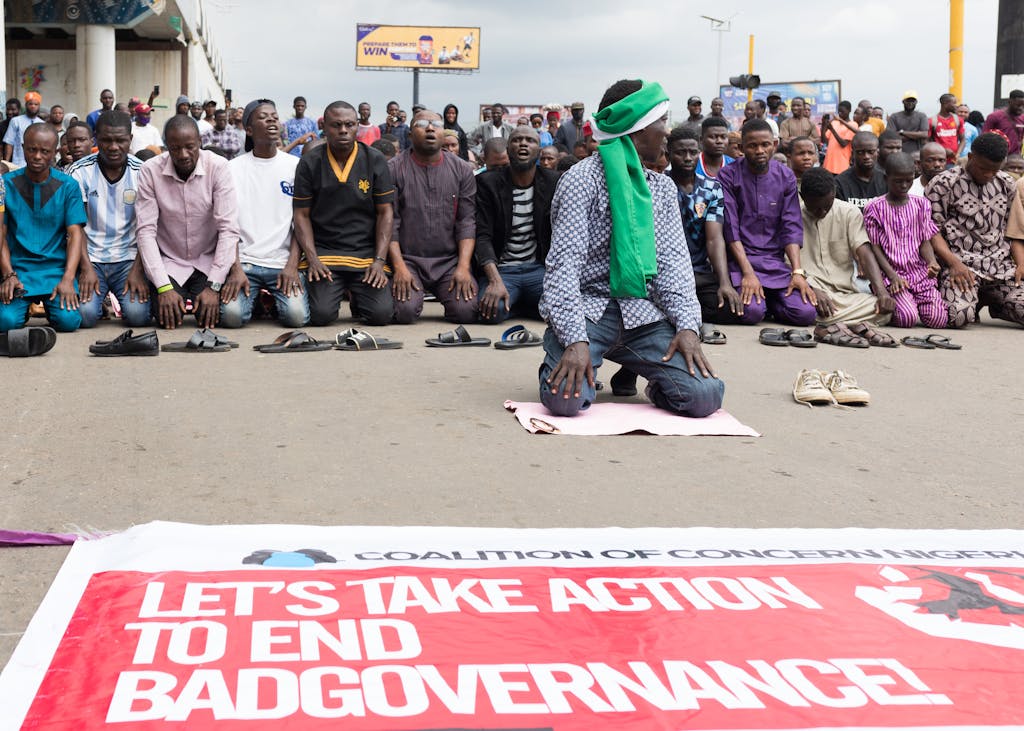
In one of the most harrowing events of the week, armed groups launched coordinated attacks on schools, kidnapping children and teachers, while a military airstrike compounded the chaos.
Entire towns were left reeling as families searched for missing relatives and the country grappled with the human cost of violent extremism. The assaults were swift and ruthless, revealing how quickly local instability can escalate into a national tragedy.
The aftermath sparked urgent debates about security measures, education in conflict zones, and the long-term psychological impact on children. Communities faced the daunting task of rebuilding not only structures, but also a sense of safety and trust.
The week’s violence underscored the vulnerability of ordinary citizens in areas where armed groups operate with impunity, making global observers acutely aware of the fragility of security in conflict-affected regions.
Europe Sizzles Under Mind-Blowing Heat Wave
Europe experienced an extraordinary heat wave that pushed temperatures far beyond seasonal expectations. Cities across Spain, Italy, and even Britain sweltered under unprecedented heat, with thermometers hitting levels typically reserved for midsummer.
Streets melted under relentless sun, while residents struggled with the immediate impacts on health, energy consumption, and public infrastructure.
The intensity of the heat wave served as a vivid example of extreme climate events occurring earlier and with greater unpredictability. Hospitals reported a surge in heat-related illnesses, while energy grids were strained by air-conditioning demand.
This sudden spike in temperatures offered a stark visual reminder of how climate shifts are no longer distant warnings—they can arrive abruptly, challenging governments, communities, and individuals alike.
Historic Isle of Man Racing Canceled After Fatal Crash
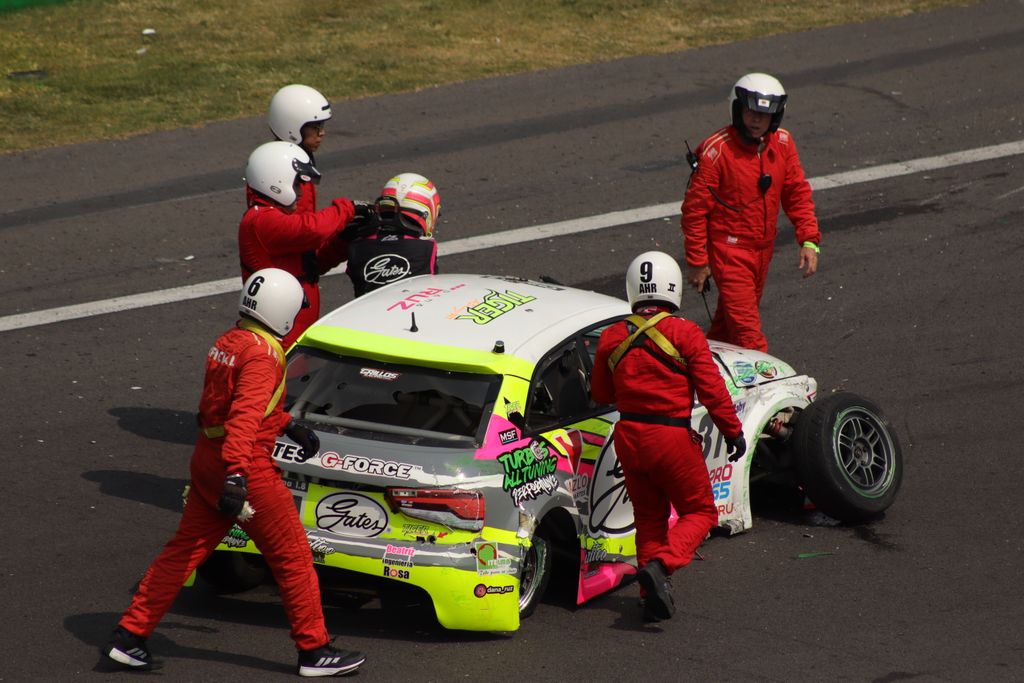
The world of motorsport faced a sobering moment when one of the Isle of Man’s famous sidecar races was canceled following a fatal accident. Riders’ deaths and severe injuries forced organizers to confront the extreme risks inherent in this high-speed, high-stakes competition.
Spectators, accustomed to thrilling races, were confronted with the stark reality that centuries-old traditions still carry devastating consequences.
The cancellation sparked debates about safety measures, course design, and the balance between tradition and modern responsibility.
For participants, the incident reinforced the ever-present danger of pushing human limits on two wheels. Across the motorsport community, the event was a powerful reminder that adrenaline and skill cannot fully eliminate risk, and that tragedy can reshape even the most storied competitions.