Have you ever picked up a favorite snack, read the tiny ingredient list, and thought, “That can’t possibly be in there…” You’re not alone — food labels hide bizarre and unexpected components that most of us would never guess belong inside something we happily eat every day.
Behind the shiny marketing and wholesome front, manufacturers use strange additives to improve texture, flavor, color, or shelf life. Here, we reveal the 8 most intriguing, weirdest, and downright jaw‑dropping food ingredients that lurk in common groceries you probably encounter every week.
Seaweed‑Derived Carrageenan in Chocolate Milk

Believe it or not, the smooth texture of your chocolate milk or creamy yogurt might be thanks to seaweed. Carrageenan is extracted from red seaweed and used as an emulsifier, helping fat and water components stay beautifully blended without adding extra calories.
Although it sounds healthy, some research suggests it may trigger gut inflammation, with loose links to digestive issues like irritable bowel syndrome. Regardless, it remains widely approved and used in dairy products as a plant‑based stabilizer.
Gypsum — Actually “Rocks” in Toothpaste and Some Foods
Next time you squeeze toothpaste onto your brush, remember this: one of its main components is gypsum, a mineral that’s also literally a form of rock. Beyond toothpaste, gypsum can show up in certain processed foods — and it’s safe enough that our bodies can handle it just fine.
It’s prized for its ability to add calcium and help settle liquids, which is why manufacturers love using it in food and beverage production. But it’s still strange to think you’re brushing with what amounts to crushed stone!
Lanolin From Sheep’s Wool in Your Cereal
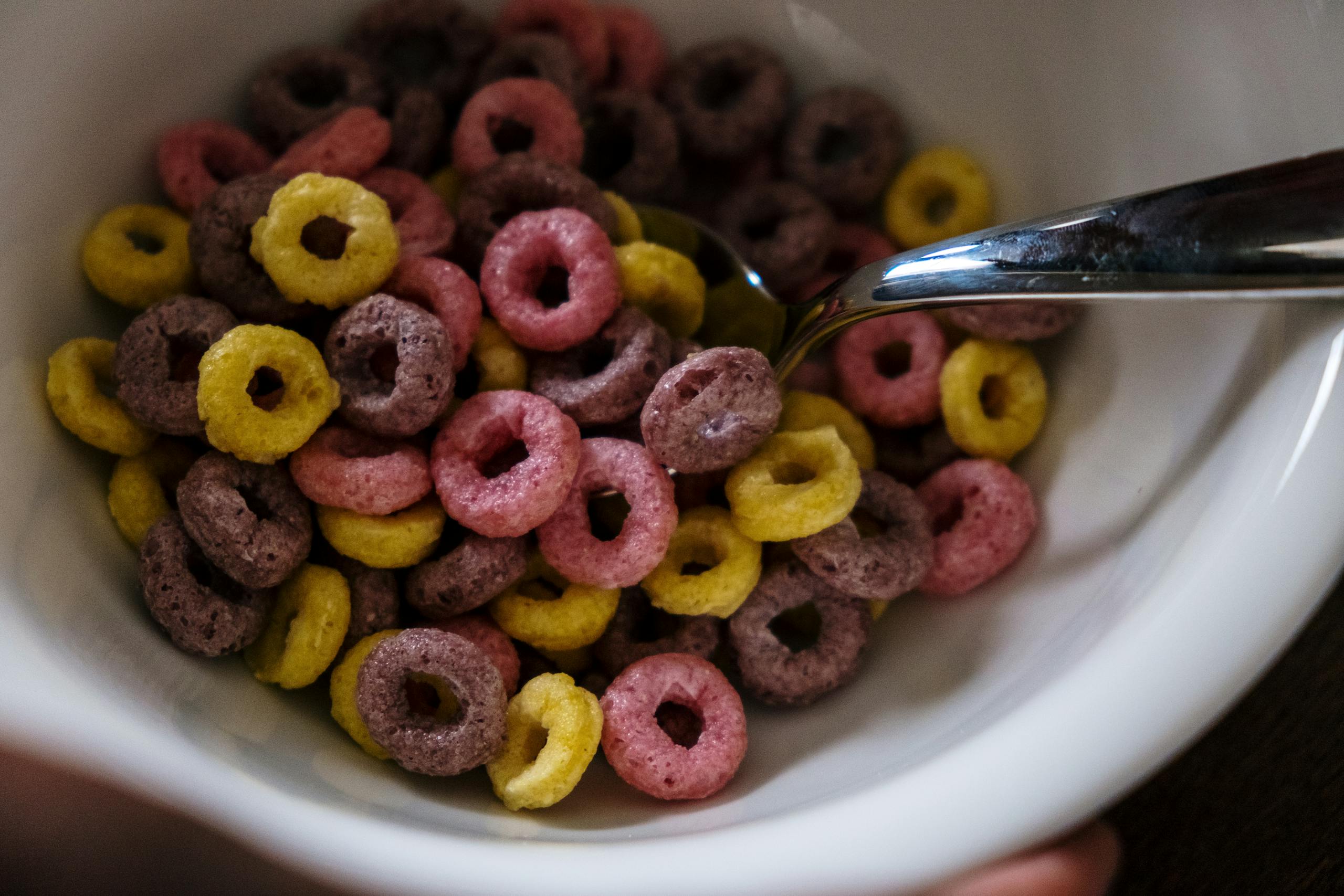
Here’s one that really surprises shoppers: certain breakfast cereals contain Vitamin D sourced from lanolin — a waxy substance secreted by sheep’s wool. Lanolin isn’t harmful, but it’s definitely confusing for anyone who considers their cereal “vegetarian,” especially vegans who avoid animal‑derived products.
This ingredient is why some fortified foods don’t carry clear labels about their animal origins. Because lanolin provides a stable source of Vitamin D, many brands still choose it over plant‑based alternatives.
Cellulose — The “Sawdust” Filler
The idea of eating sawdust might make you cringe, but cellulose — essentially wood pulp — is a common food additive that’s technically safe for consumption. It’s used as a source of fiber and to improve product texture, especially in sauces, cookies, and breakfast cereals.
Although entirely harmless, the thought that it’s derived from wood fibers still makes this ingredient one of the strangest on grocery store shelves. Interestingly, regulatory authorities permit cellulose because our bodies can break it down easily without detrimental effects.
Brominated Vegetable Oil (BVO) in Certain Drinks

Some sodas and flavored beverages use brominated vegetable oil to keep artificial flavors evenly dispersed throughout the liquid. BVO contains bromine — a chemical element also found in fire retardants — which has raised concerns due to potential health effects when consumed in large amounts.
Because of those worries, several countries have banned BVO in food, though it remains approved in some places. Whether or not it’s dangerous in small quantities, there’s no denying how odd it sounds to imagine fire‑retardant chemistry in your soda.
Dimethylpolysiloxane AKA “Silly Putty” in Fast Food
This silicone‑based chemical, better known as the main ingredient in the children’s toy Silly Putty, finds an unlikely home in fast food kitchens. Restaurants use it as an anti‑foaming agent in fryers to stop oil from bubbling over, which means trace amounts can end up in fried foods.
Approved by regulators as safe in limited use, it’s still a strange thought that the same compound that makes a toy stretch also helps fry your French fries. Despite its oddity, it plays a functional role in modern fast-food preparation.
Azodicarbonamide “Yoga Mat” Chemical in Breads
Some bakery products once contained azodicarbonamide — a compound also used in plastics and yoga mats — to improve dough strength and texture. It became infamous after public backlash, forcing chains like Subway to remove it from menus in some regions.
Although regulators allow its use in many countries, it remains controversial because of its industrial origins and unappetizing associations. Thanks to growing consumer activism, its presence in breads and buns has dramatically declined.
Fake Fish and Seafood Substitutes

Finally, food fraud can count as one of the weirdest “ingredients” of all — especially when sushi turns out to be something other than advertised. Cheaper white fish is often mislabeled as pricier species like tuna, tricking consumers and sometimes upsetting taste buds.
While not a chemical additive, this practice reveals just how surprising and deceptive food processing can be. Consumer protection groups continue to warn buyers to choose reputable sources and be wary of too‑good‑to‑be‑true seafood deals.
Conclusion
Your favorite snacks, beverages, and packaged foods are crafted with science, economics, and marketing in mind — not just nutrition. Strange ingredients don’t always mean bad, but they do highlight the importance of reading labels and knowing what you’re putting into your body.
Whether it’s seaweed droplets in chocolate milk or mineral rocks in toothpaste, the food industry is full of surprises that don’t always make intuitive sense. Empower yourself as a smarter consumer by learning more, asking questions, and choosing whole ingredients whenever possible.