When decorating your home, the goal is often to create a space that feels luxurious, inviting, and reflective of your personal style. However, some common design errors can make your home appear far less sophisticated than you intend.
Whether you’re a seasoned decorator or just starting out, avoiding these pitfalls can elevate your space and give it a polished, expensive feel.
Using Too Much Matching Furniture

While symmetry is appealing, going overboard with matchy-matchy furniture can make your space feel more like a showroom than a home.
Opt for a more curated look where individual pieces have their own character but still work together. Mix different textures, colors, and materials to keep the room from feeling too uniform and stiff.
Neglecting Proper Lighting
Cheap lighting can significantly cheapen a room’s atmosphere. Overhead fluorescents or dull bulbs fail to create warmth and ambience.
Invest in layered lighting—overhead, task, and accent lights—to create a well-lit yet cozy environment. A statement chandelier or a set of carefully chosen floor lamps can serve as a focal point, enhancing the space’s appeal.
Choosing Low-Quality Materials

While budget-friendly furniture is tempting, materials like thin fabrics or faux wood can often look cheap. Opt for higher-quality, timeless pieces that are built to last.
Even small details like hardware (handles and knobs) can be upgraded to instantly elevate your furniture’s appearance. Invest in durable materials like solid wood, metal, or natural fibers for a long-lasting and more refined look.
Overcrowding Your Space
A cluttered room filled with too much furniture or decorative items can make even the most stylish pieces look overwhelming. Leave room for your furniture to breathe by carefully curating your decor.
Negative space is just as important as the items you choose to display, allowing each piece to shine and making the space feel more open and airy.
Skipping Artwork or Wall Decor
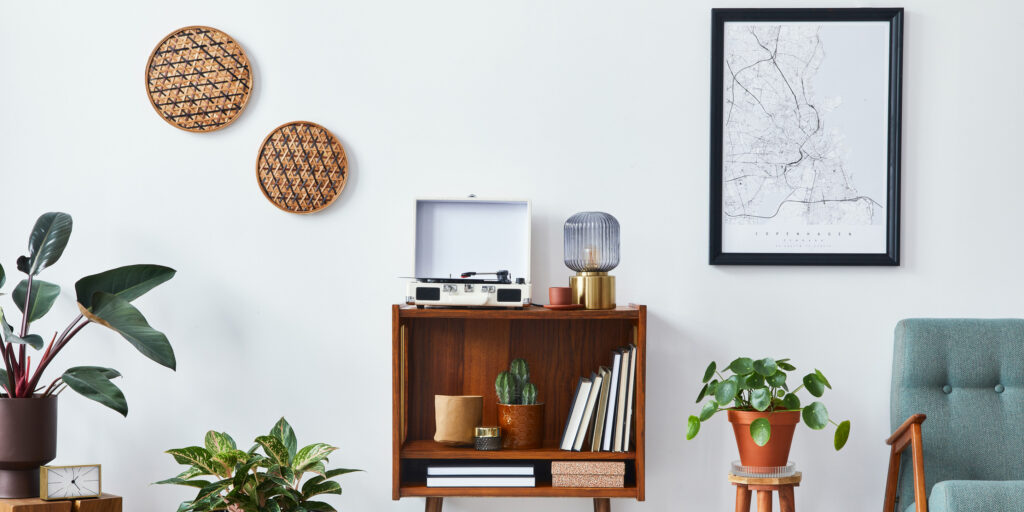
Blank walls or generic art can make a room feel unfinished. Whether it’s a large statement piece or a carefully arranged gallery wall, adding artwork personalizes the space.
Skip the mass-produced prints and opt for unique, meaningful pieces that tie into the room’s color palette and theme. When framed properly, art can be one of the best ways to introduce color, personality, and sophistication into any room.
Overusing Trendy Colors or Styles
While it’s fun to follow the latest design trends, overloading your home with trendy colors or styles can make your space feel fleeting and inexpensive. Instead, use trends as accents rather than the core of your design. Neutral tones provide a timeless foundation, and then you can experiment with seasonal hues or bold patterns in throw pillows, rugs, or wall paint for a pop of personality without committing to a trend that might not stand the test of time.
Forgetting About Scale and Proportion
A key aspect of making your space feel high-end is ensuring that the proportions of your furniture and decor are appropriate for the room’s size.
A huge sectional in a small room or an oversized chandelier in a low-ceilinged dining room can make the space feel cramped and awkward. Measure carefully before purchasing large items and choose pieces that complement the room’s dimensions.
Cheap, Over-the-Top Accessories

While accessories are an essential part of home decor, too many cheap or overly decorative items can detract from the sophistication of your space.
Instead of cluttering every surface with tchotchkes, choose a few statement pieces—such as a beautiful vase, an elegant tray, or a sculptural lamp. These items can add a touch of luxury without overwhelming the room.