The U.S. military’s wartime focus on innovation has led to key food technologies that have greatly influenced civilian life. From improving combat rations to meeting soldiers’ nutritional needs, military research has led to the creation of popular food items we use today. These advancements have transformed everyday products, making them more convenient and higher in quality.
Instant Coffee: The U.S. Military’s Wake-Up Call
Instant coffee traces its roots back to the U.S. military’s demand for a portable, easy-to-prepare caffeine solution. During the Spanish-American War, the military sought a way to provide soldiers with coffee that could be made quickly and without the hassle of brewing. By World War I, instant coffee became a staple, with the G. Washington Coffee Company pioneering the production of coffee cubes. The real revolution came with World War II, when Nestlé’s Nescafé and other suppliers produced instant coffee on a mass scale. The taste improved, and the product’s convenience made it a permanent fixture in households around the world. The military’s investment in instant coffee technology played a key role in turning it into the commercial success we see today.

Frozen Orange Juice Concentrate: Combatting Vitamin Deficiencies
Frozen orange juice concentrate was developed to address vitamin C deficiency among soldiers, particularly in tropical environments where fresh fruit spoiled quickly. The U.S. Army turned to USDA scientists, who developed a vacuum-concentration and freezing method that preserved both the flavor and the nutritional content of orange juice. By 1945, the Army placed a large order, though the war ended before it could be fully delivered. However, the technology was perfected and commercialized under the Minute Maid brand, marking the beginning of frozen juice concentrate in grocery stores.
Instant Mashed Potatoes: A Convenient Meal for Troops
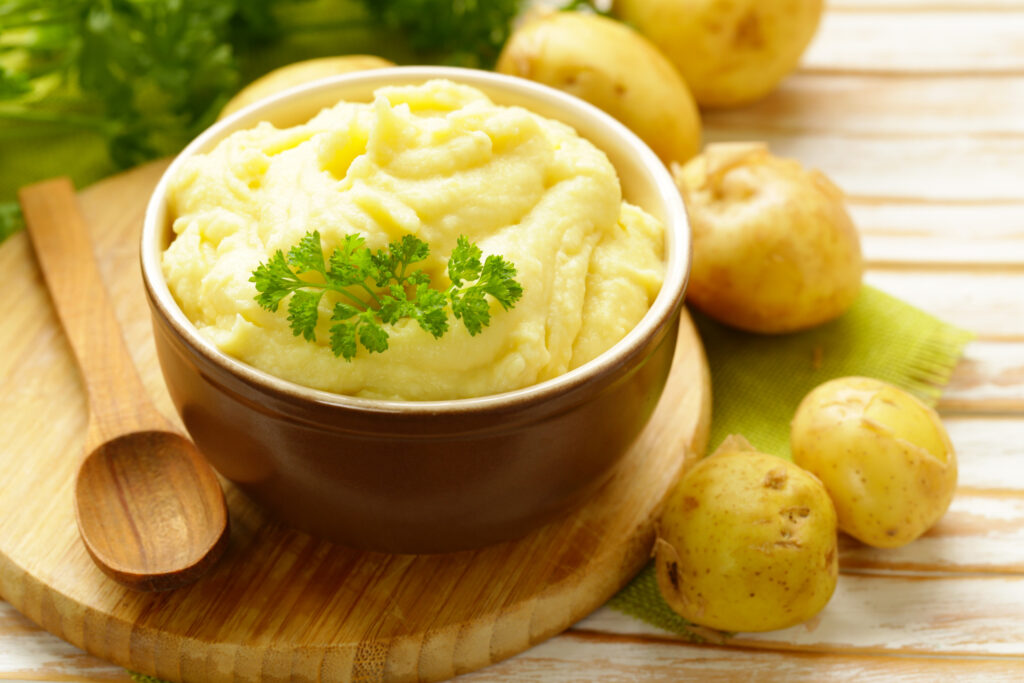
Instant mashed potatoes became a major military innovation during World War II and the Korean War when the Quartermaster Corps sought to reduce the bulk and spoilage risks associated with fresh potatoes. The military funded research to perfect the process of dehydrating potatoes, resulting in the creation of potato flakes. These flakes, which could be rehydrated to create mashed potatoes quickly and easily, were commercialized in the 1950s and became a staple in many households. The military’s need for a practical, non-perishable starch component for rations led to the creation of instant mashed potatoes, which remain a popular convenience food today.
Stale-Resistant Bread: Ensuring Freshness for Soldiers
The need for durable, yet soft bread that could withstand the rigors of military rations led to groundbreaking research in bread science. During World War II, bread was a logistical challenge because it tended to go stale quickly, forcing soldiers to rely on hardtack. In the 1950s, Kansas State College’s Department of Grain Science worked closely with the military to create bread that stayed soft and shelf-stable. The result was a bread that could last weeks, rather than days, which later became the blueprint for supermarket bread. This innovation also influenced fast food chains and the soft loaves that we enjoy today.
Restructured Meat Products: The McRib’s Military Origins
The military’s need for efficient, cost-effective protein sources led to the development of restructured meat products, which are now a mainstay in fast food. In the 1960s, the Army tasked scientists with developing a method to fabricate beefsteak using low-cost cuts of meat. This led to the creation of a technique where meat was ground, processed, and molded into uniform shapes, which could be easily frozen, shipped, and consumed. This technology directly influenced McDonald’s Chicken McNuggets and McRib sandwiches, which use restructured meat to create consistent, recognizable shapes.

Energy Bars: High-Performance Fuel for Soldiers
Energy bars, as we know them today, were initially developed for the U.S. military’s Special Operations soldiers. The concept of a high-calorie, fortified food bar became a priority in the 1930s when the U.S. Army partnered with Hershey to create the Logan D ration. However, these early attempts were unpalatably bitter. In the 1960s, the Army worked with NASA scientists to improve moisture-control technology, resulting in a more palatable, stable energy bar. By the 1970s, Pillsbury launched Space Food Sticks, which led to the commercialization of energy bars and solidified their place in the modern market.
Dehydrated Cheese Powder: A Military-Grade Snack
The U.S. military’s quest for lightweight, shelf-stable dairy products during World War II resulted in the development of dehydrated cheese powder. USDA scientist George Sanders pioneered a method for drying, grinding, and blending cheese into a shelf-stable powder. This process was further refined to meet the demands of wartime rations. After the war, this technology was commercialized by companies like Frito-Lay, which used the powder to create Cheetos, and Kraft, which incorporated it into their boxed macaroni and cheese. Today, cheese powder is ubiquitous in snack foods and processed meals, thanks to military innovation.
The Non-Melting Chocolate Bar: Hershey’s Tropical Chocolate
Before the invention of M&M’s, soldiers faced the problem of chocolate melting in warm climates. In the late 1930s, the U.S. Army approached Hershey to create a non-melting chocolate bar that could withstand high temperatures. The result was the Tropical Chocolate Bar, developed during World War II, which could survive temperatures up to 120°F (49°C). This breakthrough technology not only helped soldiers enjoy chocolate in extreme conditions but also contributed to later innovations in candy coatings, including M&M’s, which are designed to melt in your mouth, not in your hand.
Conclusion
The U.S. military has significantly impacted the food industry by turning wartime challenges into consumer conveniences. Innovations like instant coffee, freeze-dried foods, and energy bars were developed to meet soldiers’ needs. The military’s research also perfected non-melting chocolate and other food technologies. These advancements have shaped modern food production and continue to influence consumer products. The military’s contributions highlight the lasting legacy of research originally intended to support soldiers.