If it sounds like something from a black-market menu, there is a good chance U.S.
The law wants nothing to do with it. In plain English, “illegal to eat” usually means the animal or its meat cannot legally be slaughtered, hunted, sold, transported, or imported for human consumption, which shuts the door on it for almost everyone in the United States.
Dog meat

Dog meat is flat-out targeted by federal law. The Dog and Cat Meat Trade Prohibition Act makes it illegal to knowingly slaughter a dog for human consumption or to ship, transport, receive, possess, purchase, sell, or donate a dog or dog part for that purpose in interstate or foreign commerce, with fines of up to $5,000 per violation.
Cat meat
Cat meat falls under the same federal crackdown.
The same 2018 law bars slaughtering cats for food and also bans moving, selling, buying, or possessing cat parts for human consumption in covered situations, meaning cat meat is not a legal culinary loophole in the U.S.
Whale meat
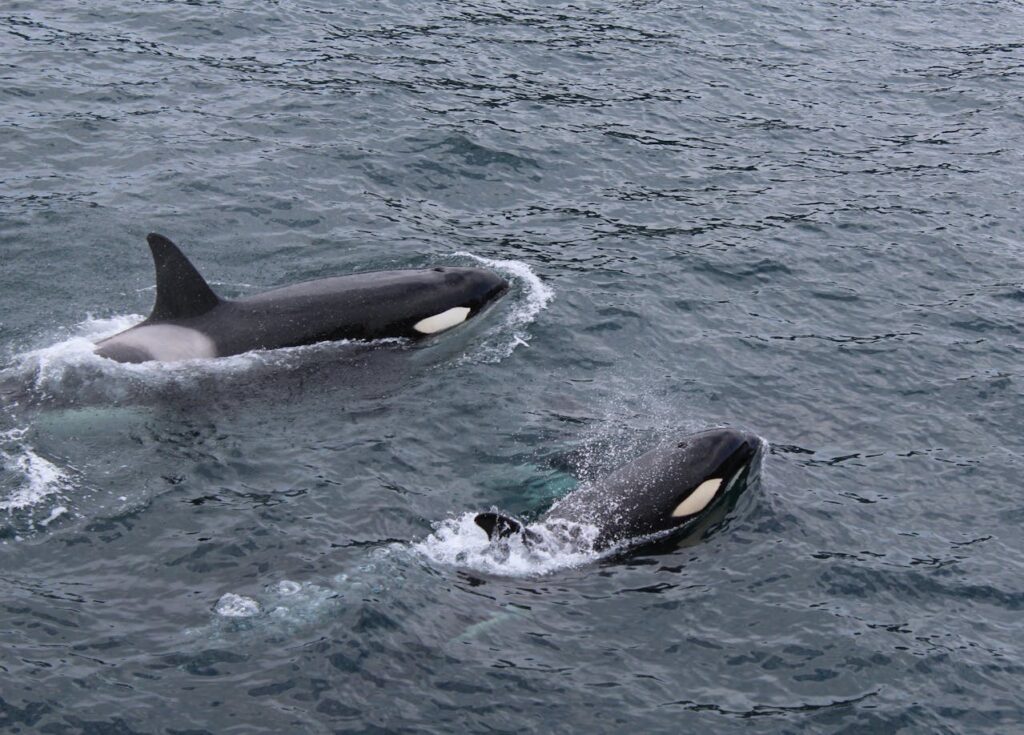
Whale meat is effectively off the American table because whales are marine mammals, and the Marine Mammal Protection Act generally prohibits their take and makes it illegal to import marine mammals and marine mammal products into the United States without a permit.
That means whale steaks may exist in stories and travel documentaries, but they are not lawful fare for ordinary U.S. consumers.
Dolphin meat
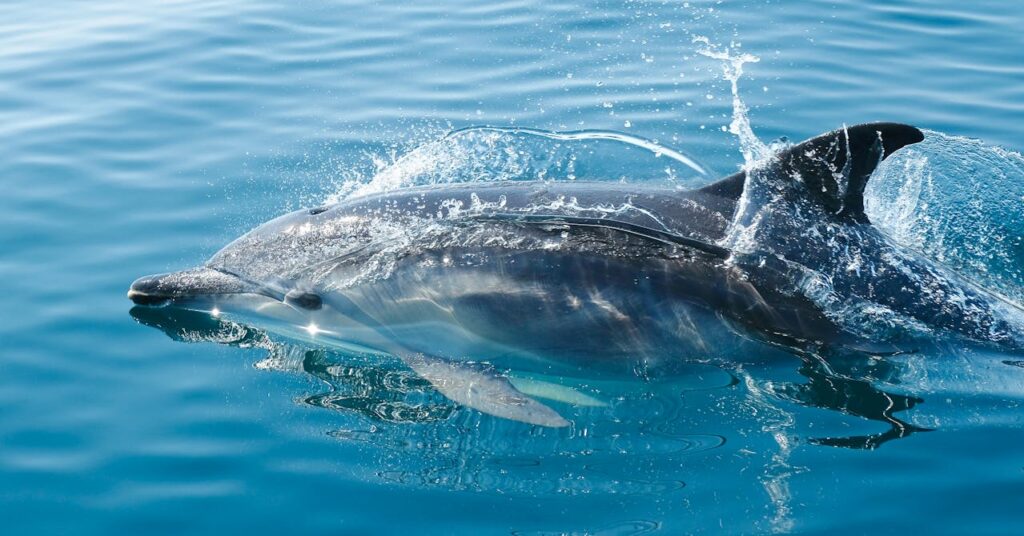
Dolphin meat lands in the same legal danger zone
. NOAA states that all dolphins and porpoises are protected under the Marine Mammal Protection Act, and that law generally bans take and import of marine mammals and marine mammal products, closing off legal access for food use in the U.S.
Seal and sea lion meat
Seal and sea lion meat is another hard no for the general public. NOAA says all seals and sea lions are protected under the Marine Mammal Protection Act, which generally prohibits killing marine mammals and importing their products without authorization, so these meats are not lawful menu items for ordinary commercial consumption in the United States.
Manatee meat
Manatees are doubly shielded. The U.S. Fish and Wildlife Service says manatees are federally protected under both the Endangered Species Act and the Marine Mammal Protection Act, and the MMPA establishes a moratorium on taking and importing marine mammals, including parts and products.
In other words, manatee meat is not legally available for dinner in the U.S.
Sea turtle meat
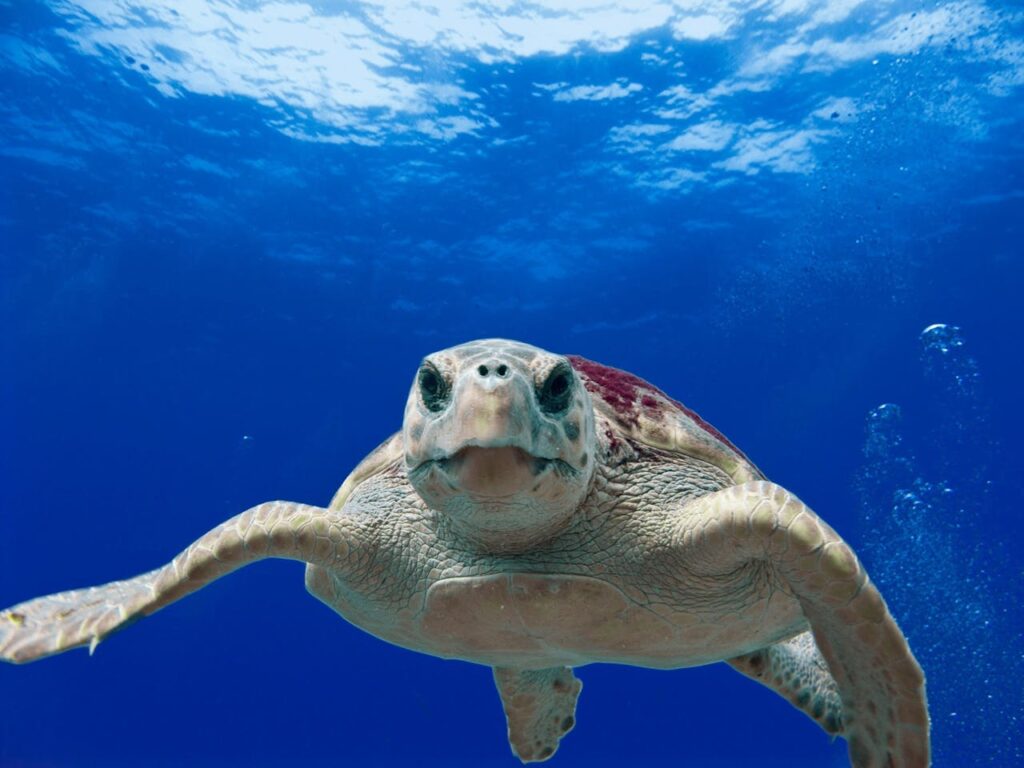
Sea turtle meat is also off-limits. The Fish and Wildlife Service says all sea turtle species are in CITES Appendix I and that no commercial trade is legal; it specifically notes that sea turtles’ eggs and meat are still taken illegally for human consumption, which tells you exactly where the law stands.
Bushmeat
Bushmeat is one of the clearest cases on the list.
The CDC says bringing bushmeat into the United States is illegal, defines it as meat from wild animals such as bats, monkeys, apes, rodents, and duiker, and warns that any amount found at a port of entry will be destroyed and can trigger fines as high as $250,000.