Beets have long been hailed as a superfood, often praised for their vibrant color and various health benefits. However, there’s more to the story than just the nutritional punch they offer. While they do contain essential vitamins and minerals, some aspects of beet consumption might not be as beneficial as we’ve been led to believe. Here are eight reasons why beets might not be the health booster you’ve been hoping for.
High Sugar Content
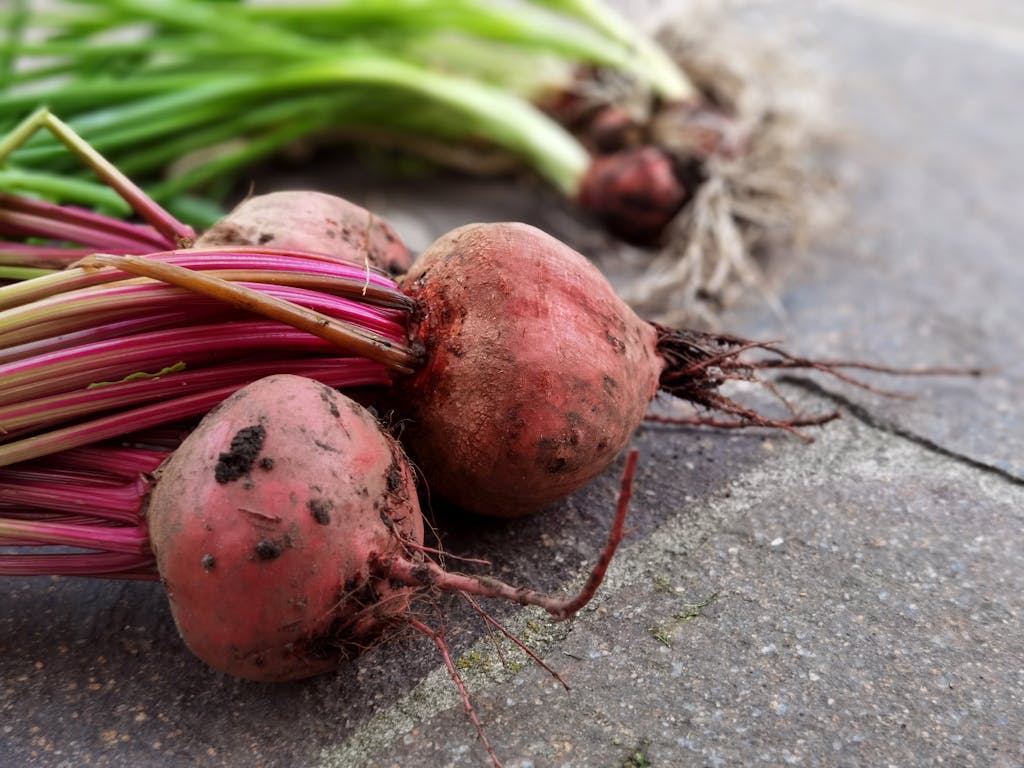
One of the biggest concerns with beets is their sugar content. Despite being a vegetable, beets are relatively high in natural sugars, which can cause a spike in blood glucose levels. This can be particularly concerning for individuals who are diabetic or pre-diabetic. While the sugars in beets come from natural sources, they can still contribute to an insulin spike, especially if consumed in large quantities or in juice form. Therefore, even though beets are considered a healthy option, those with concerns about blood sugar regulation might need to rethink their consumption.
Oxalates
Beets are known to contain oxalates, compounds that can bind to calcium in the body and form calcium oxalate crystals, which can lead to kidney stones. If you’re prone to developing kidney stones or have a history of them, consuming beets in excess could potentially increase the risk of stone formation. While moderate consumption of beets is unlikely to pose a significant threat to most people, it’s something to keep in mind, particularly for individuals already at risk of kidney-related issues.
Overloading on Nitrates Can Be Risky

Beets are often praised for their high nitrate content, which is said to improve blood circulation and lower blood pressure. However, consuming too many nitrates can have detrimental effects, including harming cardiovascular health. Excessive nitrate consumption may lead to the formation of nitrosamines, which are known to be potentially carcinogenic. While the nitrate content in beets might provide short-term benefits, overdoing it could have long-term health implications.
Beets Can Cause Stomach Upset for Some
While many people tolerate beets well, others may experience gastrointestinal discomfort after eating them. This can include bloating, gas, or cramping. The fiber content in beets, while beneficial for most, may cause issues for individuals with sensitive stomachs or those with digestive disorders such as irritable bowel syndrome (IBS). It’s essential to pay attention to how your body responds to beets, as the discomfort they can cause may outweigh their health benefits.
Impact on Dental Health
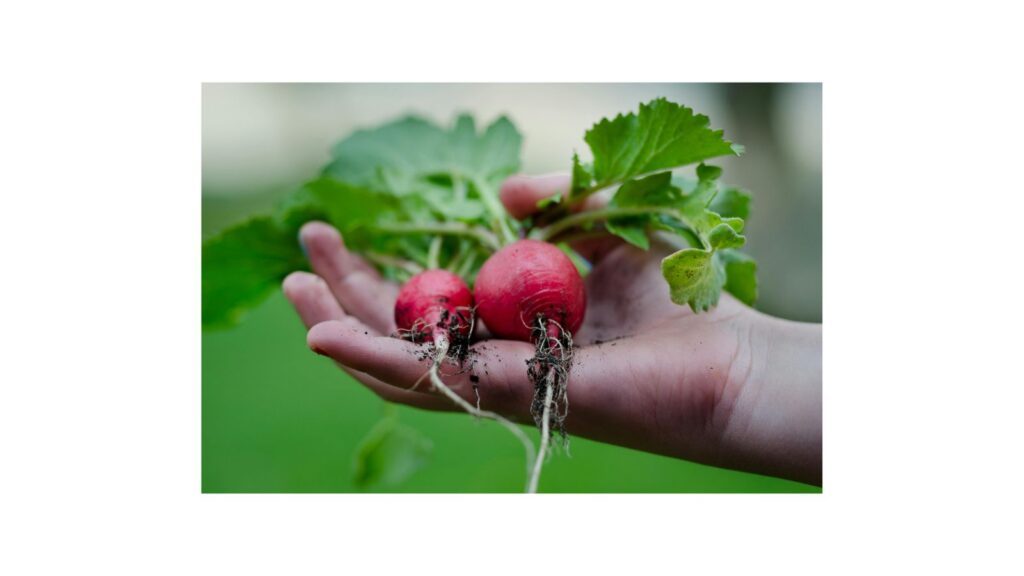
Beets’ vibrant red color comes from a group of compounds called betalains, which confer their antioxidant properties. However, these compounds can also stain your teeth. If you consume beets regularly, especially in their raw or juiced form, they can lead to significant discoloration of your teeth. While brushing your teeth soon after eating beets may help minimize staining, it’s still a drawback for individuals who are conscious of their dental appearance.
Overhyped Detoxification Claims
Many health enthusiasts claim that beets are excellent for detoxification due to their high antioxidant and fiber content. While it’s true that beets have detoxifying properties, their effectiveness in purging toxins from the body is often overstated. Your liver and kidneys are the organs responsible for detoxification, and while beets can support their function, they don’t magically eliminate toxins from the body. Relying on beets as a primary detox tool is misguided and should be supplemented with other health practices.
Allergic Reactions Are Possible

Although rare, some people may experience allergic reactions to beets. Symptoms can include itching, swelling, or skin irritation. People who are allergic to other foods in the same family, such as chard or spinach, might also be at risk for an allergic reaction to beets. If you’re unfamiliar with how your body responds to beets, it’s a good idea to start with small amounts and monitor for any adverse reactions.
Conclusion
Beets may offer some health benefits, but they are not without their drawbacks. High sugar content, potential kidney stone risks, and gastrointestinal issues are just a few of the reasons why beets may not be as healthy as they’re often made out to be. While they can be part of a balanced diet, moderation is essential. It’s important to approach beet consumption with caution, especially if you have specific health concerns.