Sex is often portrayed as romantic, glamorous, or mystifyingly forbidden, but beneath the surface lies a world of facts that could twist your jaw and reshape what you think you know. Most people smile through awkward moments and dodged questions, yet the real truths sit in plain sight — awkward, fascinating, and sometimes downright bizarre.
In exploring the unexpected corners of human sexuality, we discover emotional enigmas, physiological wonders, and evolutionary quirks that defy polite conversation. Brace yourself — the following revelations are as enlightening as they are unsettling.
The Brain Reacts First
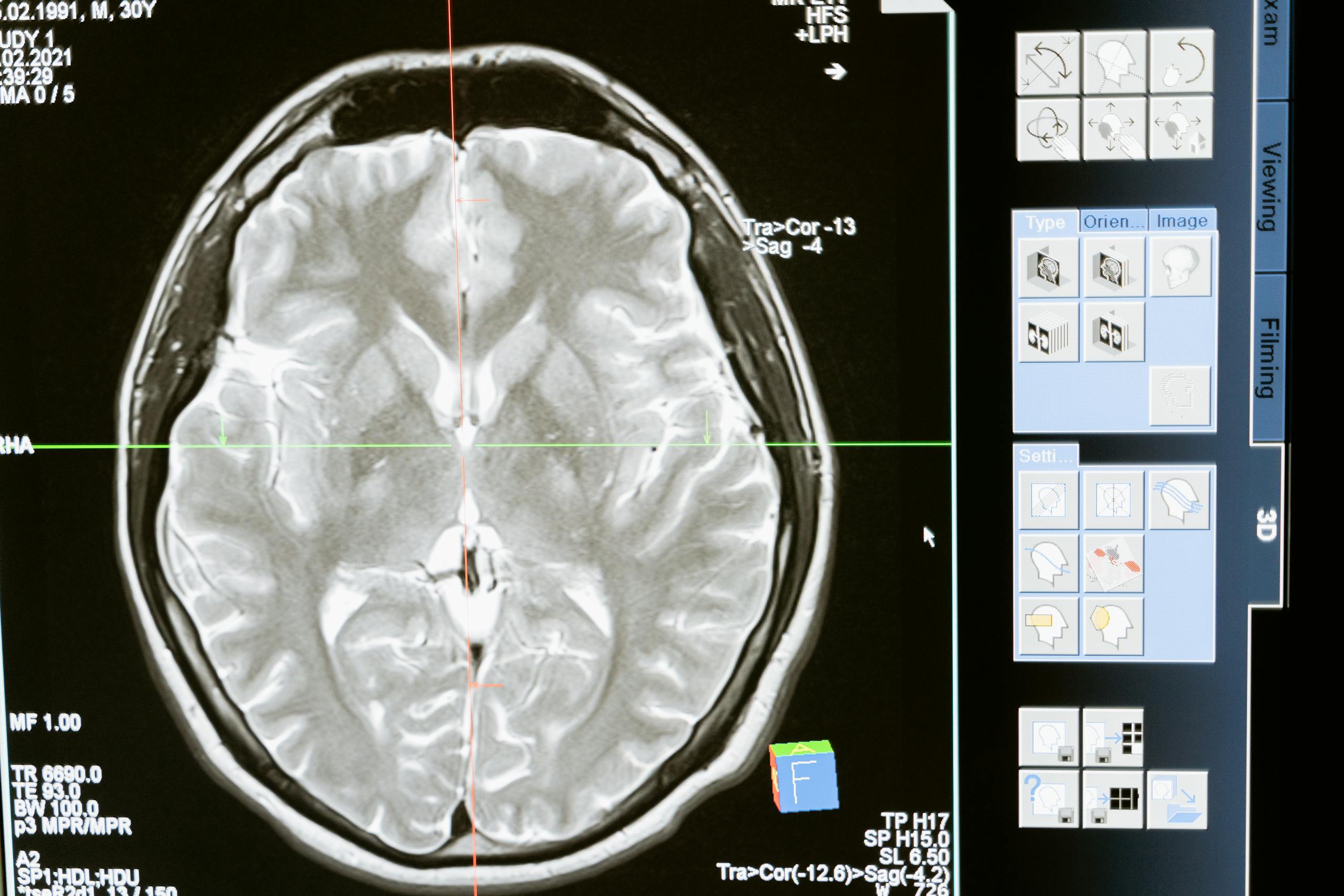
Before any physical contact even begins, your brain lights up like a city skyline at night, processing desire, assessment, fear, and fantasy in a fraction of a second. It manages to sort memories, chemistry, social cues, and instinctual urges simultaneously, proving that sex is as much neurological as it is physical.
Scientists estimate that hundreds of neural pathways fire during sexual arousal, linking emotional centers with cognitive judgment and bodily response. This intricate interplay is why attraction can feel instant, irrational, and unforgettable.
Men and Women Literally See Different Things in the Same Moment
In moments of sexual stimulus, men’s visual cortexes are activated more intensely than women’s, often making sight the dominant sense for males. Conversely, women show stronger activity in emotional and memory-related regions, which may explain why context and connection matter more.
This doesn’t imply superiority or weakness but highlights how deeply wired human brains are to process desire differently. The fascinating takeaway is that people often experience the same moment through entirely distinct neurological lenses.
Some People Experience Pleasure Without Physical Touch

A small percentage of individuals report sexual arousal triggered by emotions, smells, ideas, or even music, without direct physical contact. This rare phenomenon suggests that for some, the brain’s interpretive power overrules sensory stimulation entirely.
These experiences blur the line between imagination and physical reality, proving how complex human sexuality can be. When the mind becomes the main conductor, traditional assumptions about sex simply don’t apply.
Sex Can Improve Cognitive Function
Regular, consensual sexual activity has been linked to sharper memory, better focus, and elevated mood in scientific studies. The release of hormones like oxytocin and dopamine doesn’t just feel good — it boosts neuroplasticity and emotional resilience.
These brain benefits echo those associated with exercise, social connection, and deep sleep. Far from being mere pleasure, sex can be an integral part of psychological well‑being.
The Body Produces Natural Painkillers Mid‑Act

During intense sexual arousal and climax, our bodies unleash endorphins — natural opioids that blunt pain as effectively as exercise or laughter. These chemicals flood the system and can create feelings of euphoria, calm, or emotional closeness.
It’s a biological reminder of how deeply connected pleasure and survival mechanisms are in humans. The release of endorphins not only elevates mood but can make intense sensations feel soothing rather than overwhelming.
Size Perceptions Change During Arousal
Studies show that during sexual arousal, the brain’s interpretation of size and proportion can shift, affecting perception of body parts — including genitalia. This is a product of the brain prioritizing certain stimuli and temporarily downplaying others, like how lighting can alter what we see in a room.
Evolution didn’t equip us with a perfectly accurate lens; instead, it crafted a perception engine tailored to emotional and reproductive signals. What we think we see during arousal might not be what’s objectively there, but it feels absolutely real.
Rejection Can Trigger Physical Pain Responses
The emotional sting of sexual rejection activates the same brain regions that register physical pain, which explains why breakups and unwanted advances can hurt so deeply. MRI scans show overlapping areas of neural activity, reinforcing that emotional wounds have a very real physical component.
This connection between social experience and sensory interpretation reveals how evolution prioritized bonding and belonging. In essence, humans are wired to feel rejection physically because survival once depended on group inclusion.
There’s A Biological Countdown After Orgasm

Both men and women experience a cooldown period after climax, but the mechanisms and durations vary dramatically. In men, a refractory phase can last from minutes to hours, during which arousal is biologically difficult or impossible.
Women, on the other hand, may be ready again sooner or even immediately, depending on hormonal and nervous system factors. This imbalance is not emotional, cultural, or judgment-based — it’s a fundamental physiological rhythm encoded in our biology.
Conclusion
Sex is frequently wrapped in myths, taboos, and rumors, but when stripped down to anatomy, psychology, and evolution, it becomes even more astonishing. What was once awkward, censored, or whispered in secret now stands as a frontier of science, emotion, and human truth.
These unsettling facts aren’t meant to shock for shock’s sake — they reveal how deeply wired sex is into cognition, identity, and connection. Understanding this strange, beautiful reality can open eyes, free minds, and transform how we talk about