While vegetables are undeniably a key player in a healthy diet, some tend to be pushed to the side of our plates more often than not. Whether it’s their bitter taste, unappealing texture, or the memories of childhood mealtime standoffs, certain vegetables are just… not the favorites.
So what makes these veggies so universally avoided? Let’s break down the eight vegetables that are most often met with reluctance, ranked from the mildest offenders to the most universally disliked.
Kale
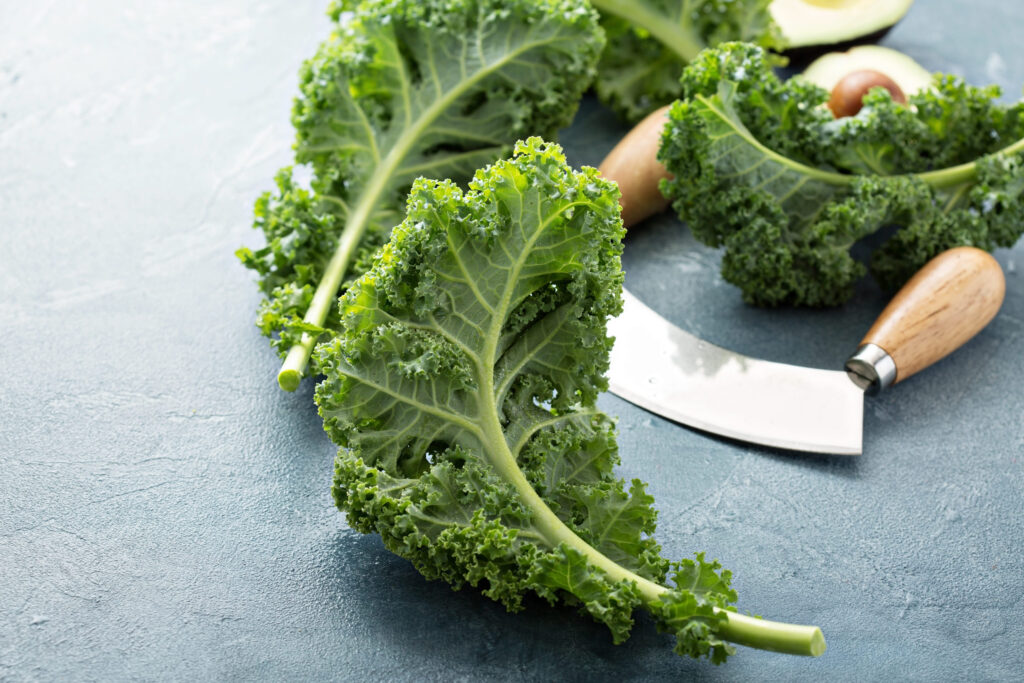
Kale’s reputation as a “superfood” is well-earned, but let’s be honest, its strong, sometimes overpowering flavor isn’t everyone’s cup of tea. Though it’s loaded with nutrients, kale’s tough, fibrous leaves and bitter taste often require a good dose of dressing, spices, or blending to make it palatable.
It’s a vegetable you might reluctantly add to your smoothie or disguise under other ingredients, but on its own, it’s a tough sell. While some swear by it, many still can’t quite get on board with the kale craze.
Eggplant
Eggplant may have a soft, spongy texture, but its flavor is often bland and underwhelming. Its ability to absorb oil like a sponge can result in dishes that are far too greasy, and while it’s a staple of Mediterranean cuisine, eggplant’s lack of bold flavor often leaves it lingering on the plate.
Unless it’s drowning in sauce or buried under cheese, it doesn’t exactly shine on its own, leaving many to opt for other, more exciting vegetables.
Brussels Sprouts
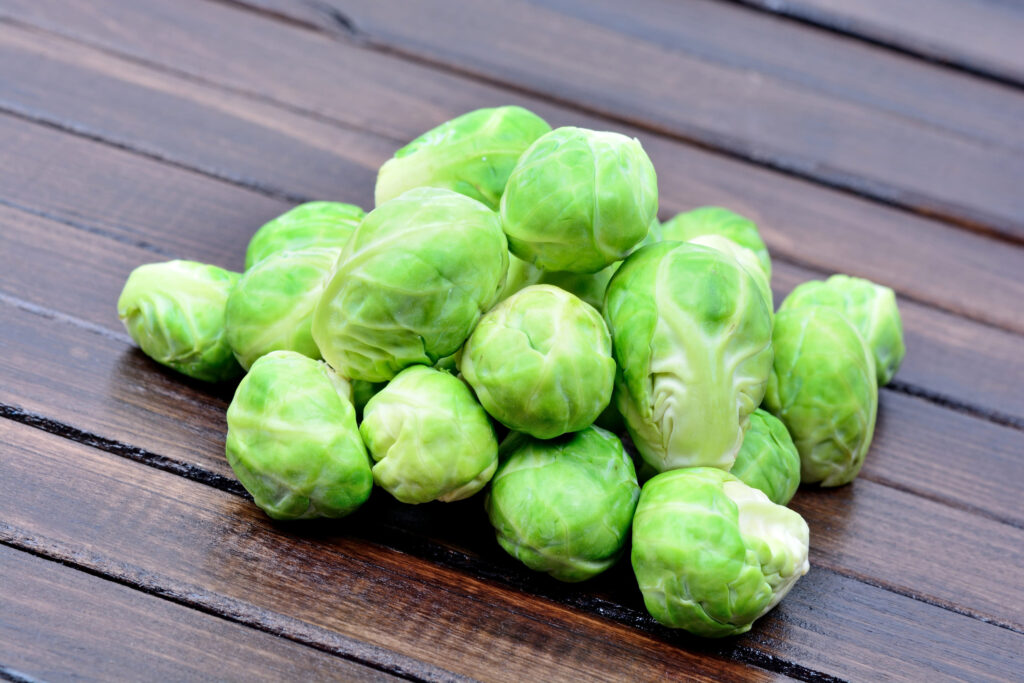
Ah, Brussels sprouts—a vegetable with a history of causing childhood protests at the dinner table. Known for their distinct bitterness and strong smell when cooked, these tiny cabbages are one of the most reviled vegetables in many households.
While roasting them can bring out a sweeter flavor, their pungent scent and tendency to taste bitter in the mouth have kept them firmly on the “no thanks” list for many. They remain the vegetable most likely to be left untouched, no matter how nutritious they are.
Beets
Beets are one of those vegetables that people either love or hate, and it’s easy to see why. Their earthy flavor can be overpowering, and their bright purple hue often stains everything it touches.
While beets are high in nutrients, their taste can remind many of dirt, making them an acquired taste at best. Whether roasted, pickled, or juiced, they remain a vegetable most people would rather skip.
Turnips
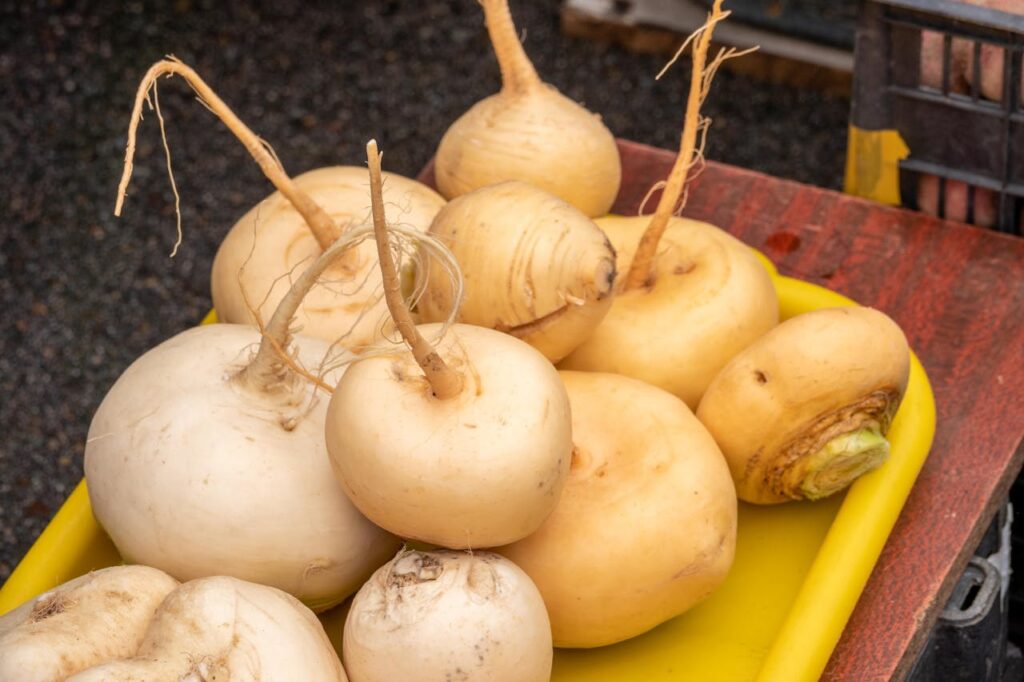
Turnips, like many root vegetables, can be a hearty addition to a meal, but their peppery, sometimes bitter flavor is often off-putting. Unlike the sweetness of carrots or the mildness of potatoes, turnips carry a sharp, earthy taste that can be difficult to enjoy.
Their texture also doesn’t help, often being too dense and fibrous for some people’s liking. For those not already accustomed to their flavor, turnips often get pushed to the side in favor of more familiar vegetables.
Celery
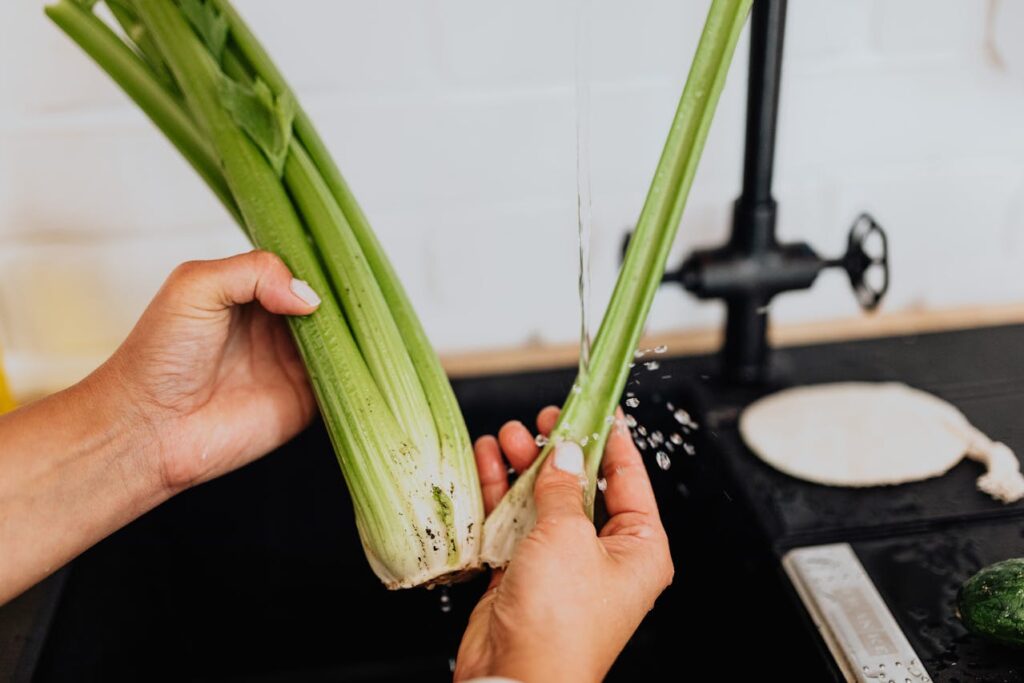
Celery is often seen as the vegetable you add to salads for a little crunch or use as a garnish, but when it comes to eating it on its own, it’s not exactly the star of the show. Its watery, crunchy texture lacks much flavor, making it more of a dipping vehicle than a tasty treat on its own.
Many people opt for something more flavorful when looking for a snack, leaving celery to languish in the fridge or as a forgotten filler in soups and stews.
Okra
Okra has its fans, but for many people, it’s a vegetable that just doesn’t work. Its slimy, gooey texture when cooked can turn off even the most adventurous eaters. While it’s an essential ingredient in dishes like gumbo, its mucilaginous quality (yes, that’s the fancy term for “slimy”) makes it one of the most polarizing vegetables around.
It’s the kind of vegetable that requires a lot of cooking finesse to mask its texture, and even then, it still doesn’t win over everyone.
Chard
At the top of our list is chard, a leafy green that, despite its vibrant color, is often met with indifference. It’s packed with nutrients, but its tough stems and bitter flavor leave much to be desired.
While it’s a great option for smoothies or soups, it doesn’t quite stack up against other leafy greens like spinach or kale in terms of taste. Chard is often overlooked, as many people prefer milder-flavored, easier-to-prepare vegetables.