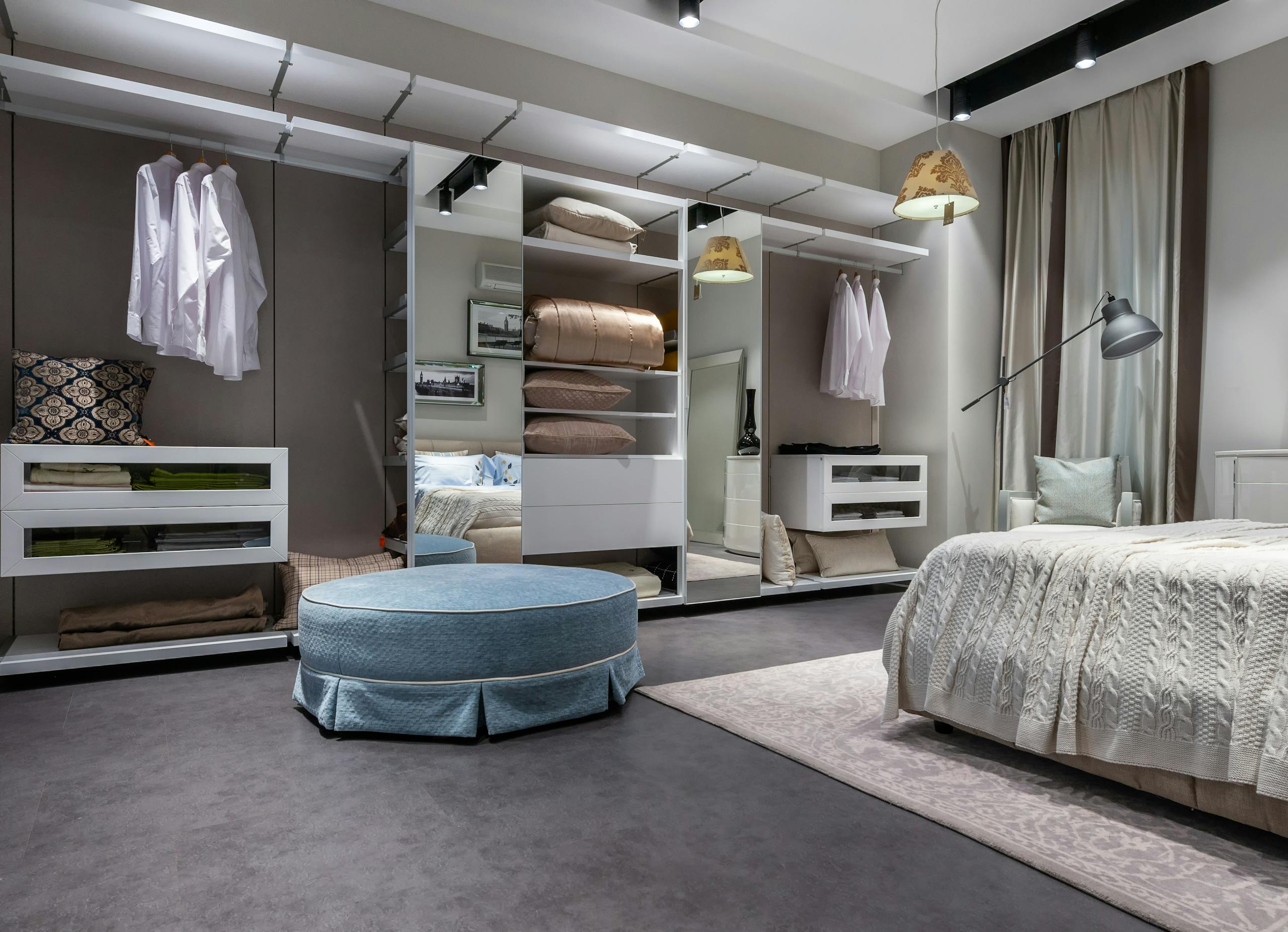
Interior design is more than just about choosing the right colors and furniture; it’s about creating a space that’s both functional and beautiful.
But even seasoned design enthusiasts can make common mistakes that disrupt a room’s harmony. To help you design with confidence and style, here’s a guide to some of the most frequent interior design missteps and how you can avoid them.
Ignoring Scale and Proportion

One of the biggest mistakes in interior design is failing to consider the scale of furniture and decor relative to a room’s size.
A large sectional couch in a tiny living room can make the space feel cramped, while tiny furniture in a spacious room can look lost. It’s essential to find the right balance.
How to avoid it:8 Common Interior Design Mistakes and How to Avoid Them
Before purchasing new furniture, measure your space. Consider using a layout tool to visualize how pieces will fit in the room.
Make sure your furniture is proportionate to the space. For instance, opt for sleek, low-profile furniture for smaller rooms and larger, more substantial pieces for spacious areas.
Overcrowding a Room with Furniture
Many people fall into the trap of filling every inch of a room with furniture.
While it might seem like a good idea to maximize space, overcrowding can create a chaotic, cluttered feeling. It also makes it harder to move around and enjoy the space.
How to avoid it:
Stick to a few key pieces that truly elevate the room. Prioritize functional items and leave space for flow. Sometimes, less is more. Don’t be afraid of leaving some open space—it allows the room to breathe and feel more inviting.
Neglecting Lighting Layers

Lighting is the unsung hero of interior design. Many people rely solely on overhead lighting, which creates a flat, unwelcoming atmosphere.
A lack of lighting layers—ambient, task, and accent—can make a room feel incomplete.
How to avoid it:
Use a mix of lighting to create depth. Install overhead lights for overall illumination, task lighting for specific activities, and accent lighting to highlight key features.
Wall sconces, floor lamps, and even candles can add a touch of personality and warmth.
Choosing the Wrong Color Palette

Color can make or break a room, but picking the wrong colors can lead to an off-balance space. Too many bold colors can overwhelm, while a neutral palette might make a room feel cold or uninspiring.
How to avoid it:
Stick to a cohesive color scheme that reflects the mood you want to create.
For example, calming blues and greens work well in bedrooms, while warm, inviting tones like gold and burgundy are great for living rooms. Don’t be afraid to incorporate accent colors, but ensure they complement the primary tones.
Forgetting About Functionality
It’s easy to get caught up in aesthetics, but ignoring functionality can make your design impractical. For instance, placing a beautiful coffee table in a high-traffic area might look good but could quickly become a nuisance.
How to avoid it:
Always consider how the room will be used when selecting furniture and decor. Ensure there’s enough storage, and create clear paths for movement.
A room should be as practical as it is stylish—after all, a beautifully designed space is only effective if it’s functional.
Overdecorating
It’s tempting to add all the decor items you’ve fallen in love with, but too many accessories can detract from the beauty of the room. The key is to strike a balance between decoration and simplicity.
How to avoid it:
Choose a few statement pieces that truly speak to your style. Edit your decor by removing items that don’t serve a purpose or add to the overall aesthetic.
A well-curated collection of decor items will always look more elegant than an overstuffed room.
Disregarding the Importance of Art

Art can be one of the most personal elements in a room, but hanging art too high or in too small a scale is a common mistake. Not every wall needs to be filled, but leaving large, empty walls can make a room feel unfinished.
How to avoid it:
Hang art at eye level for a more inviting feel, and consider grouping smaller pieces into a gallery wall.
Choose artwork that complements the room’s colors and style, and don’t forget that art can also serve as a focal point for the space.
Using Too Many Trends
While trends can bring excitement to your space, relying too heavily on them can make your home feel more like a showroom than a personal sanctuary.
What’s in style today may not be in a few years, leaving you with a space that feels outdated.
How to avoid it:
Mix trendy pieces with timeless classics. Opt for neutral furniture and add trendy accessories that can be swapped out easily. This way, your space remains fresh without losing its long-term appeal.
Forgetting About Your Personal Style
It’s easy to get caught up in what’s popular or what looks good on social media, but a room should reflect your personality.
A space that doesn’t feel like you can make you feel disconnected, even if it looks flawless.
How to avoid it:
Infuse your personal style into the design by adding pieces that hold meaning for you, whether they’re vintage finds or family heirlooms.
Don’t be afraid to experiment with colors, textures, and shapes that speak to your unique taste. The room should tell your story.