Renovating your home can significantly increase its value if done correctly. However, certain home improvements may do the opposite, costing you more than you’d expect when it’s time to sell. Avoiding these common home renovation mistakes will help ensure that your investment pays off in the long term.
Turning a Bedroom into a Walk-in Closet
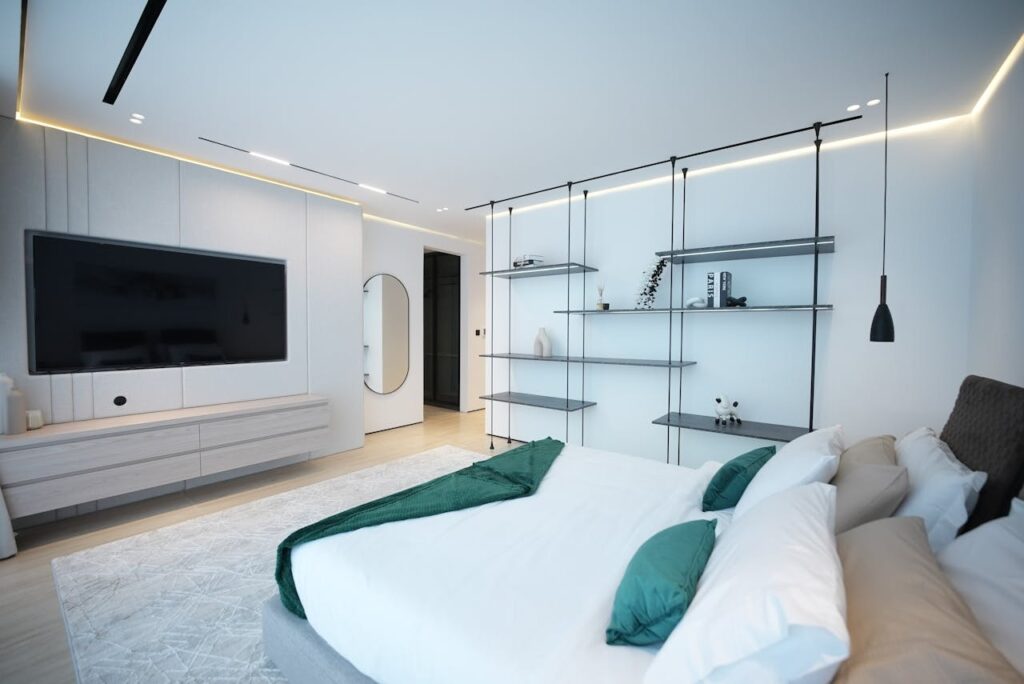
Sacrificing a bedroom for a walk-in closet or expanding your primary suite might sound like a good idea. However, in most cases, this reduces your home’s marketability and can lower your property’s appraisal value. Many potential buyers expect a minimum number of bedrooms, especially in family-oriented neighborhoods. By eliminating one of these rooms, you may make your home less appealing to larger families who need extra space.
Converting Your Garage into Living Space
It might seem like a great way to add square footage, but converting your garage into an additional living area often turns buyers away. A garage is valuable for secure parking and storage, both of which many homebuyers seek. By eliminating this essential feature, you may alienate potential buyers who see the lack of garage space as a major inconvenience.
Installing High-Maintenance Marble Countertops
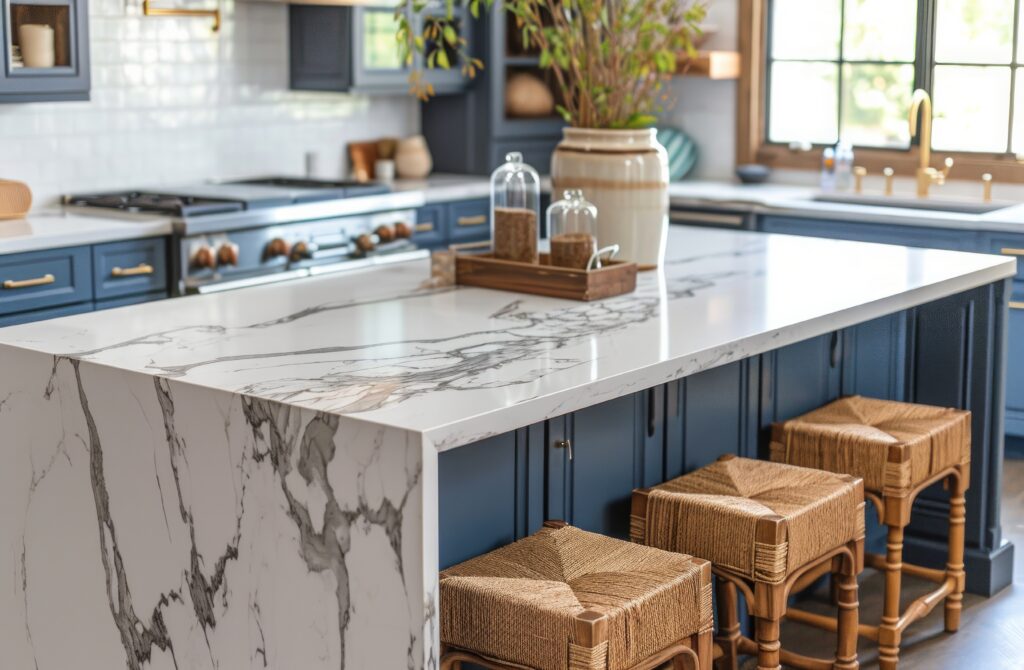
Marble countertops are undeniably beautiful and can add a touch of luxury to your kitchen. However, they require constant care and attention. A single slip or spill can permanently stain the surface. Over time, the upkeep can make marble countertops more trouble than they’re worth. Buyers may be hesitant to take on constant maintenance, especially when lower-maintenance alternatives are available.
Choosing Marble Floors
Similar to countertops, marble floors are high-maintenance and prone to staining. While the appeal of luxury is undeniable, marble flooring doesn’t fare well in high-traffic areas like kitchens and entryways. Over time, scratches and stains can make the flooring look worn, diminishing your home’s overall appeal.
Using Trendy and Bold Paint Colors

A bold accent wall may be trendy for a moment, but bright and over-the-top colors tend to date quickly. When potential buyers walk into a home, they prefer neutral, soothing tones that allow them to visualize their own belongings in the space. Bright pinks, bold greens, or dark blues can easily turn off buyers and make it harder for them to picture the house as their own.
Building an Outdoor Kitchen
Outdoor kitchens have become popular, especially in warmer climates, but they come with significant downsides. These kitchens often age poorly, with weathering, rust, and fading becoming major concerns. Additionally, maintaining outdoor kitchens can be time-consuming and expensive. Unless you live in a climate that supports year-round outdoor entertaining, an outdoor kitchen may not add value and could even hurt your home’s appeal.
Installing an Above-Ground Pool
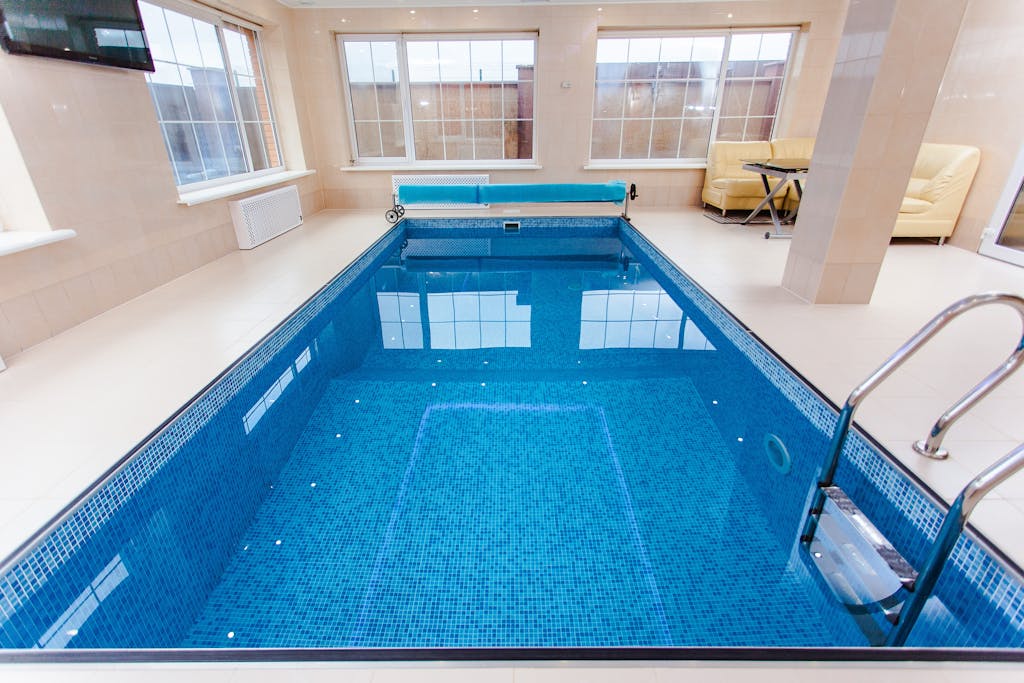
Above-ground pools rarely add value to a property and often detract from it. While an in-ground pool can be a desirable feature for some buyers, an above-ground pool often becomes a burden. They require regular maintenance, can be unsightly, and might be seen as a liability. More often than not, buyers view them as an expense they’ll have to remove, rather than a desirable feature.
Eliminating the Bathtub
For some buyers, particularly those with children or plans to start a family, a bathtub is an essential feature. While high-end shower systems like rainfall showers may be trendy, removing all bathtubs in favor of showers alone can alienate some potential buyers. Many will prefer a home with at least one bathtub, especially for families with young children.
Overdoing DIY Renovations
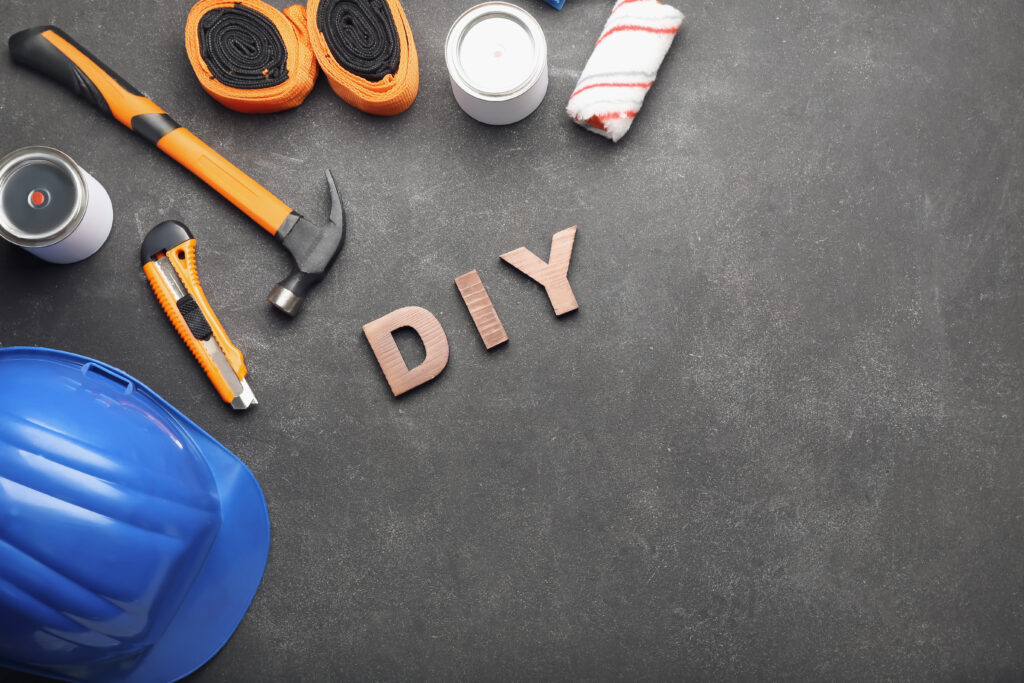
DIY projects can be rewarding, but visible mistakes can turn off potential buyers. Uneven tiling, poorly installed flooring, or shoddy cabinetry will immediately raise red flags. Buyers may view these not only as aesthetic flaws but also as indicators of deeper, hidden issues. In many cases, they will factor in the cost of fixing these mistakes, which could result in a lower offer on your home.