In a crisis, every second matters. But what if the first aid advice you’ve been relying on all these years is actually doing more harm than good? Surprisingly, some of the most common first aid myths can lead to serious complications or, worse, make the situation much more dangerous than it needs to be.
Let’s get rid of these myths once and for all and explore the real, expert-approved solutions that can save lives when it counts.
Breathing Into a Paper Bag Can Help Hyperventilation
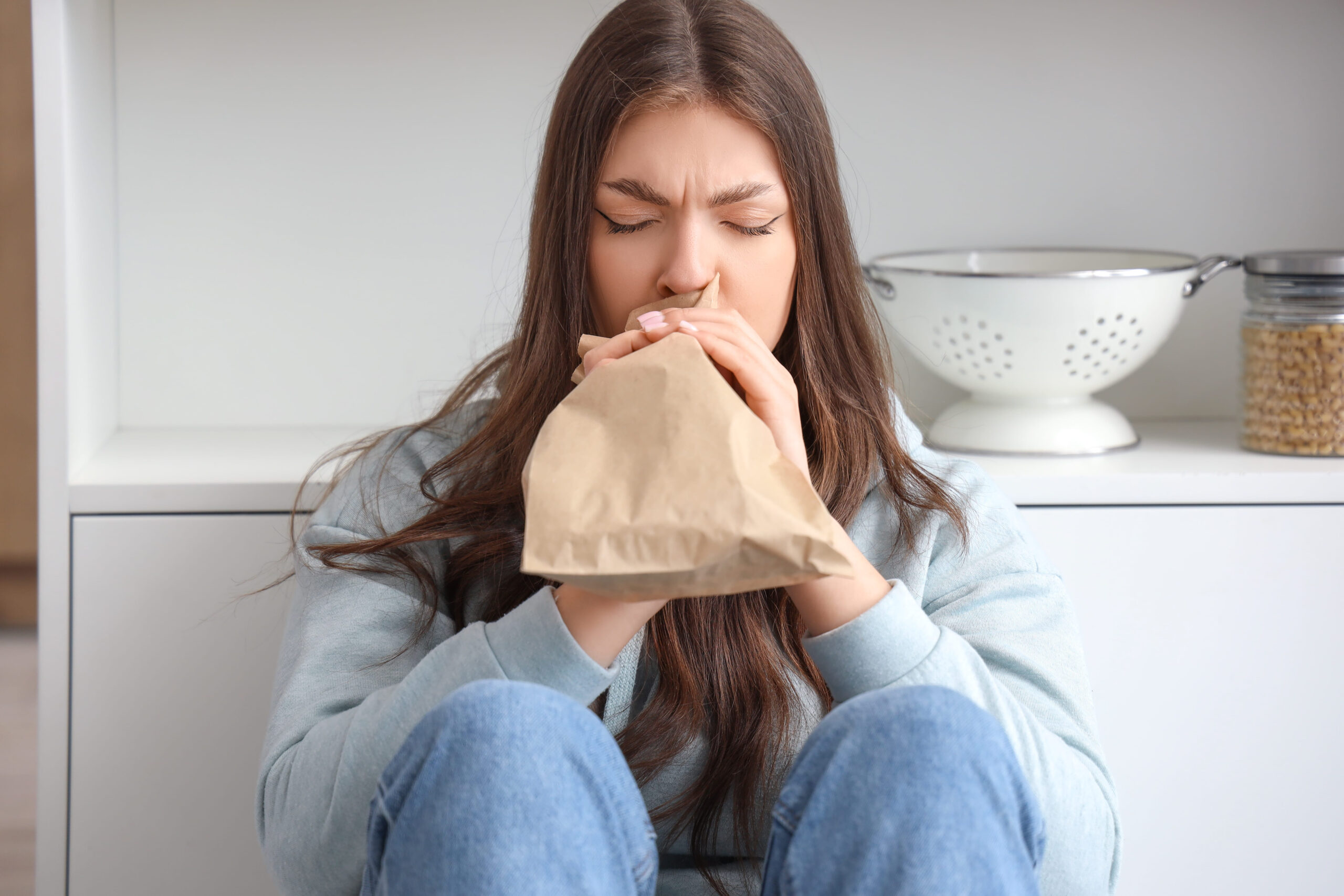
This outdated advice is more dangerous than you might think. When someone is hyperventilating, the last thing they need is to trap themselves in a bag of air with less oxygen. Instead of calming them down, breathing into a paper bag can cause them to pass out or worsen the symptoms.
What You Should Do Instead: Encourage the person to breathe slowly and deeply through their nose, exhaling through their mouth. Slow, controlled breathing is key to restoring calm and preventing a panic attack from escalating.
Rubbing Alcohol Is the Best Way to Cool a Fever
While it might seem like a quick fix, rubbing alcohol on the skin during a fever can actually lead to shivering, which makes the body temperature rise even higher. That’s the opposite of what you want.
What You Should Do Instead: Use lukewarm water to help lower the fever. Fever reducers like acetaminophen or ibuprofen are much safer and more effective for managing a fever. If the fever doesn’t subside, seek medical attention.
Sucking Out Snake Venom
We’ve all seen the dramatic moments in movies where someone sucks the venom from a snakebite. Unfortunately, this is not only ineffective but also poses a serious risk of infection by introducing bacteriainto the wound .
What You Should Do Instead: Get the person to medical help immediately. Apply direct pressure to the bite to slow the venom’s spread, and keep the affected area still. The quicker they receive antivenom, the better the outcome.
Tourniquets Are a Quick Fix for Major Bleeding
While tourniquets are sometimes necessary in dire circumstances, improperly applied tourniquets can lead to nerve damage, muscle death, or even amputation.
What You Should Do Instead: Apply direct pressure to the bleeding wound and, if possible, elevate the area. Only use a tourniquet if bleeding cannot be controlled otherwise, and ensure you’re trained to apply one.
Heat is the Best Option for Sprains and strains.
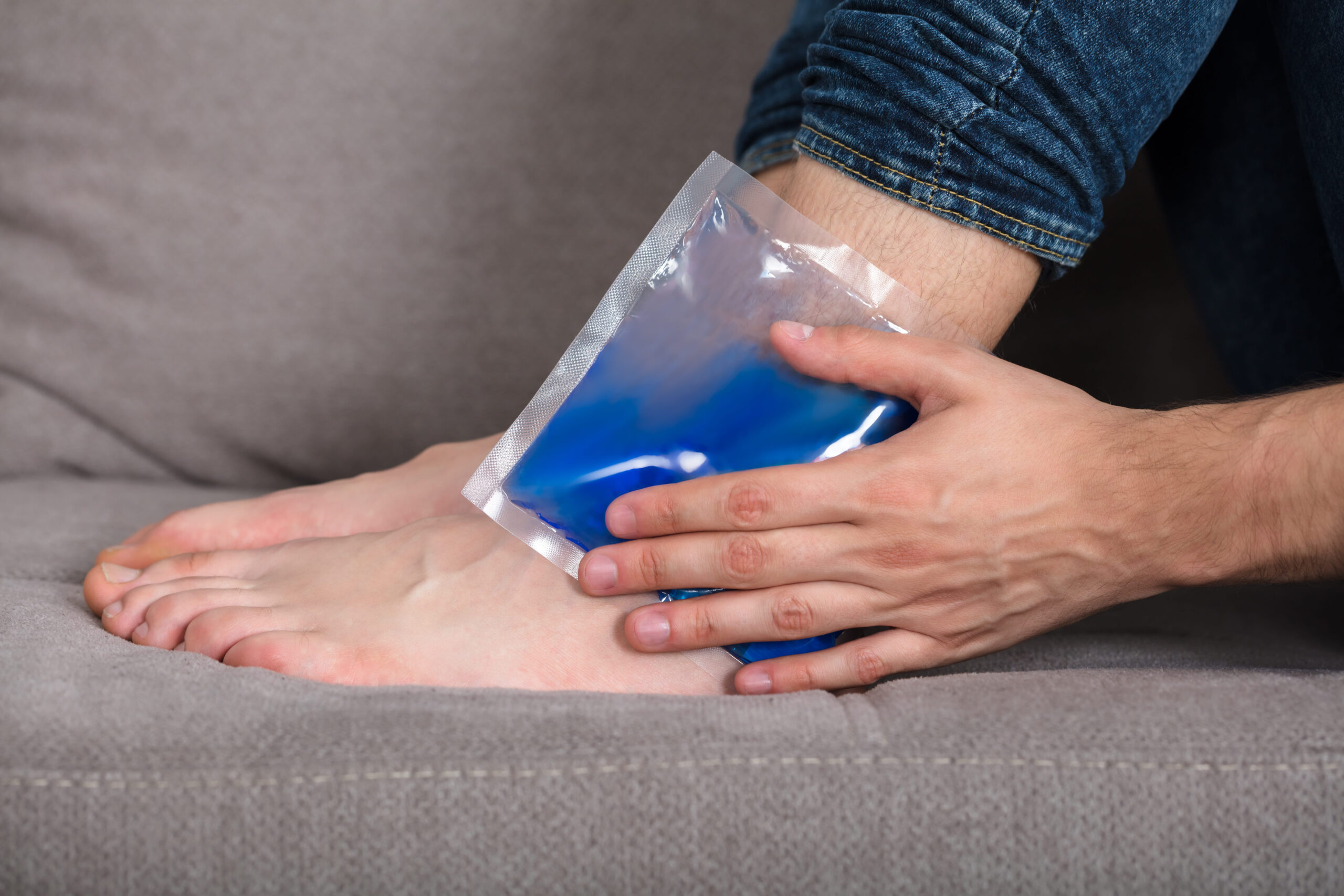
It might feel like heat will soothe your muscles after a sprain, but in reality, it only worsens the swelling. Heat increases inflammation, which delays healing and can cause more discomfort.
What You Should Do Instead: Follow the R.I.C.E. method: rest, Ice, Compression, and Elevation. Ice the injury for the first 48 hours to reduce swelling and pain. Only after the swelling has gone down should you consider applying heat.
Applying Butter to a Burn Relieves Pain
Applying butter or toothpaste to a burn is a myth that’s been passed down for generations. Not only does this make the pain worse, but it also traps heat in the skin, preventing it from cooling properly.
What You Should Do Instead:Rinse the burn with cool running water for at least 10 minutes. Cover it with a sterile, non-stick bandage. If it’s a serious burn, seek medical help immediately to prevent infection or long-term damage.
Cold Water Is Fine for All Wounds
While cold water may seem like a safe bet for cleaning up a cut or scrape, it can actually slow healing. If the water is too cold, it may restrict circulation and hinder the body’s ability to heal the wound.
What You Should Do Instead: Clean wounds with lukewarm water to prevent complications. Always use clean gauze or bandages to dress the wound and promote proper healing.
Inducing Vomiting After Poisoning
The natural instinct may be to make someone vomit if they’ve ingested something toxic. However, this can cause even more harm, especially if the poison is corrosive and can burn the throat on the way back up.
What You Should Do Instead: Call poison control or emergency services immediately. They’ll guide you on the best course of action, whether it’s administering activated charcoal or other treatments to absorb the poison.
Leaning Back to Stop a Nosebleed
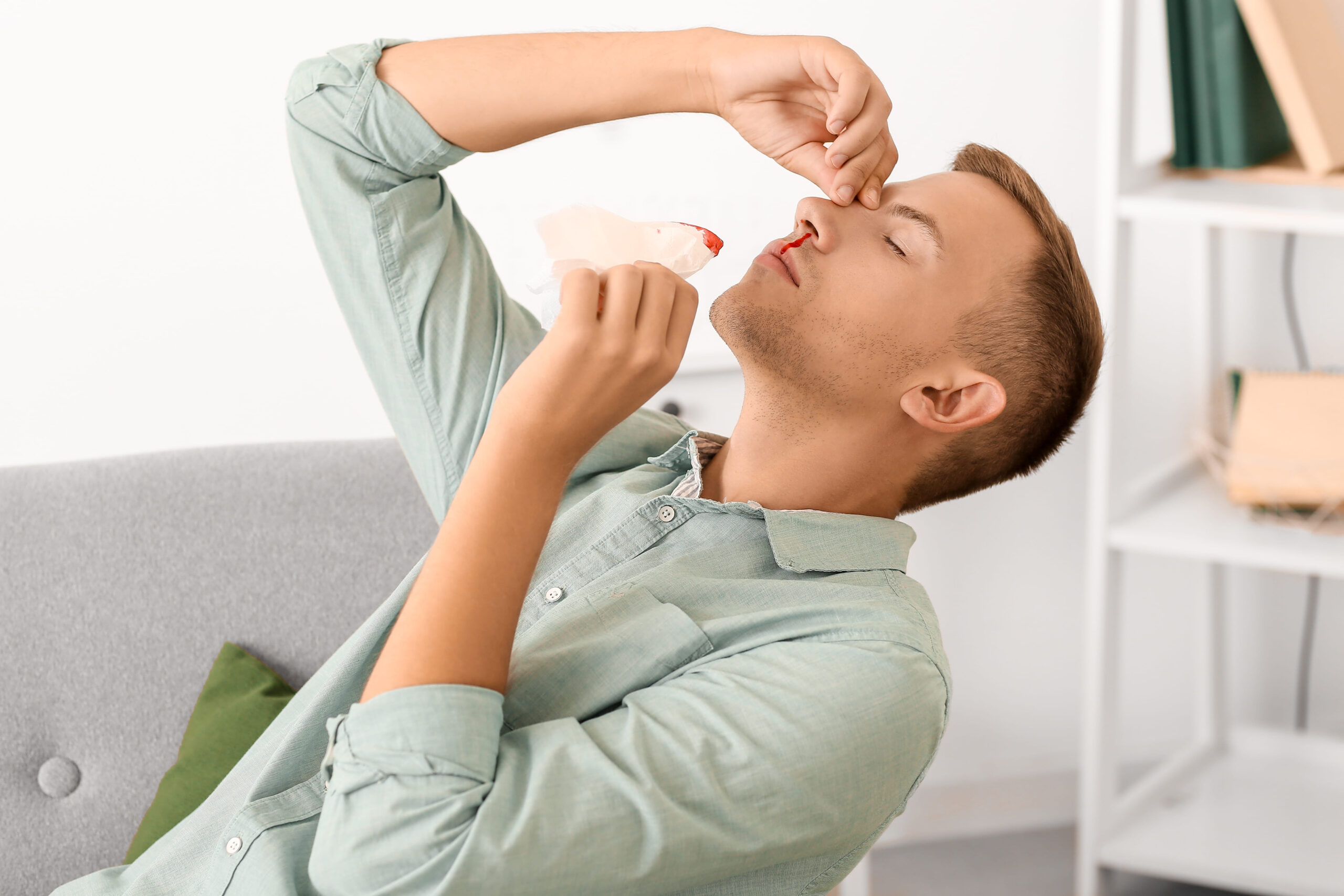
The advice to lean your head back during a nosebleed is actually one of the worst things you can do. It can cause blood to flow down the back of your throat, potentially leading to choking or vomiting.
What You Should Do Instead: Sit up straight and lean slightly forward. Pinch the soft part of your nose and hold it for at least 10–15 minutes. This will allow the blood to clot and help stop the bleeding safely.
Drinking Alcohol Will Keep You Warm in the Cold
When you’re out in the cold and feeling chilled, the idea of sipping on a warm drink might seem comforting. But alcohol actually makes things worse by dilating blood vessels and speeding up heat loss.
What You Should Do Instead: Bundle up in layers, keep moving to maintain circulation, and seek shelter as quickly as possible. Alcohol only masks the cold for a short time and can make you more susceptible to hypothermia in the long run.
Urinate on a Jellyfish Sting
It sounds like something out of a bad horror movie, but the myth of urinating on a jellyfish sting has been passed around for years. Unfortunately, urine can cause the venomous stingers to release more toxins, intensifying the pain.
What You Should Do Instead: Rinse the sting with seawater (not fresh water) to rinse away any tentacles. Use a flat object, such as a credit card, to scrape off any remaining stingers. If the pain persists, seek medical help to reduce further damage and irritation.
Wait 24 Hours Before Seeing a Doctor After an Injury

Many people believe that minor injuries will improve on their own if you just give them time. The problem? Serious injuries like heart attacks or strokes require immediate attention; waiting could cost a life.
What You Should Do Instead: If you experience chest pain, sudden weakness, or difficulty breathing, don’t wait. Seek emergency care immediately, as early intervention can drastically improve your chances of survival.
Conclusion
First aid myths are pervasive and can lead to devastating mistakes in an emergency. What may seem like common sense could actually be making the problem worse. The best advice? Trust scientifically backed first-aid methods and always call for professional help if you’re unsure.
In emergencies, having the right knowledge is the difference between a quick recovery and a disastrous outcome. Get familiar with the facts, ignore the myths, and stay calm. What first aid myths have you heard in your life? Let’s keep the conversation going and share the truth to protect ourselves and others!