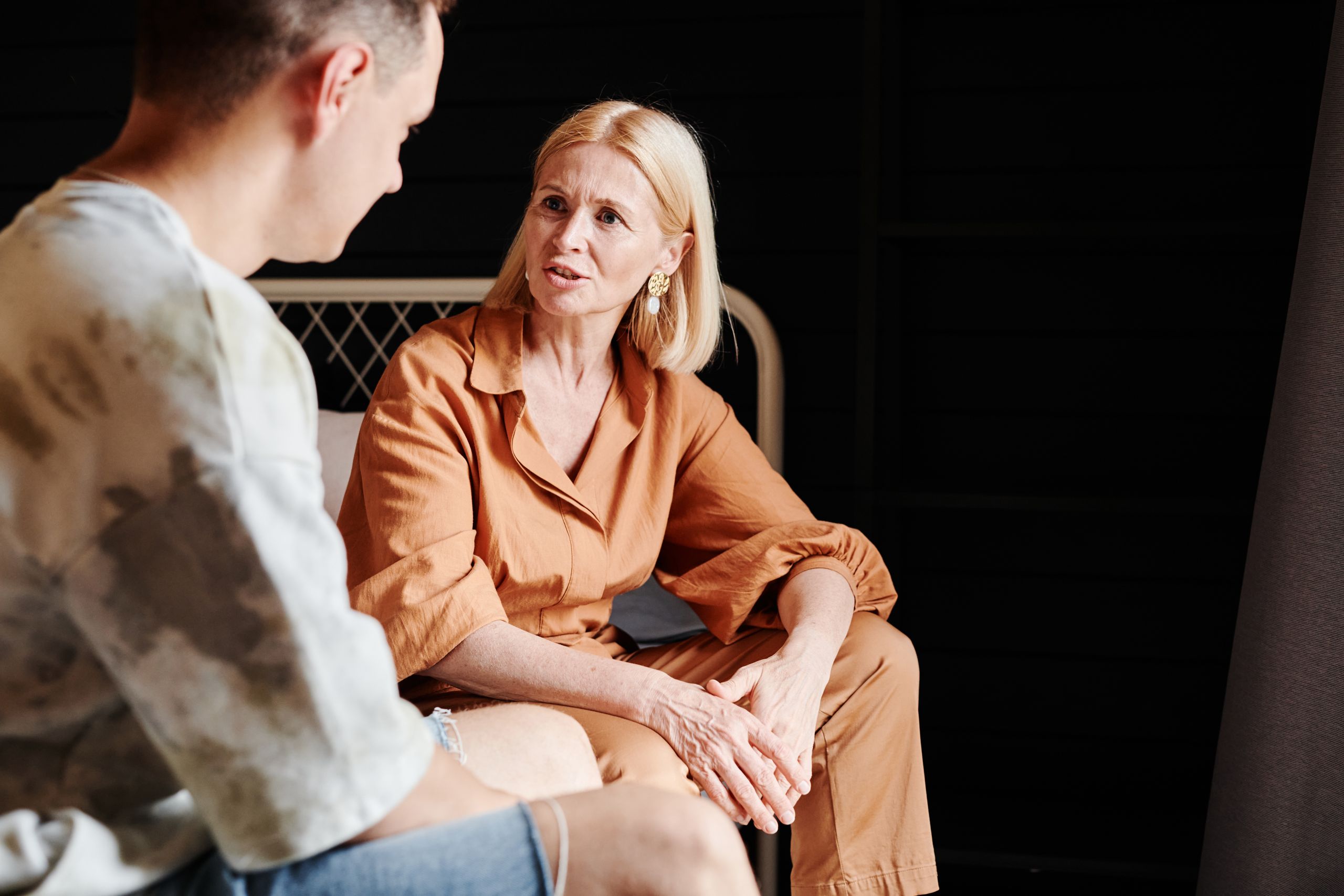
Loneliness doesn’t always look obvious. For many women without close friends, subtle habits quietly shape daily life and reinforce emotional distance. These behaviors are protective, yet they often prevent genuine connection and leave life feeling busy but emotionally empty.
Recognizing the importance of authentic relationships is the first step to breaking the cycle and opening doors to meaningful friendships.
Pleases Others Constantly

Without close friends to affirm worth, some women turn to pleasing others as a substitute for emotional connection. Agreeing with opinions, offering constant support, and suppressing personal needs can temporarily gain approval but rarely foster genuine bonds.
Over time, this habit may lead to emotional exhaustion and a sense of invisibility. True friendships thrive on mutual respect and authentic self-expression, which constant people-pleasing can undermine. Embracing honesty can foster confidence in forming real bonds.
Puts Work First
A busy schedule can act as a socially acceptable shield. Career achievements, errands, and personal goals dominate daily life, masking the absence of meaningful friendships. While being productive offers structure and a sense of accomplishment, it can also create the illusion of fulfillment without emotional connection.
By prioritizing work over social life, women inadvertently miss spontaneous opportunities to meet new people or deepen existing relationships. Social isolation can become normalized, as the sense of urgency from deadlines outweighs the need for companionship.
Over-Relies on Independence

Insisting on doing everything alone may feel safer than risking disappointment. This hyper-independence is admirable on the surface, but can block meaningful collaboration and bonding. She may avoid asking for help even when support is available, reinforcing self-sufficiency at the expense of connection.
While independence can be empowering, an over-reliance on it often prevents women from experiencing mutual support that strengthens friendships. Letting others in, even gradually, is essential for developing trust and emotional intimacy.
Internalizes Emotions
Loneliness, sadness, or frustration is often kept private, channeled into work, hobbies, or personal reflection. While self-reflection is healthy, consistently internalizing emotions prevents others from offering support or understanding.
This habit can make women appear composed externally while carrying unshared emotional burdens internally. Recognizing and expressing feelings in safe contexts is key to cultivating deeper social bonds and feeling more supported and understood.
Social isolation doesn’t define a woman, but these hidden habits can quietly shape daily life and interactions. Awareness is the first step toward change.
Reflect on your own behaviors, and by gradually opening up, seeking authentic connections, and allowing vulnerability, women can break these patterns and create friendships that are meaningful, supportive, and lasting.
Overthinks Social Interactions
Every smile, comment, or casual interaction is replayed in her mind. She might wonder if she said the wrong thing or if someone noticed a perceived mistake. This constant second-guessing discourages spontaneous social engagement and reinforces feelings of isolation.
Overcoming overthinking can help women engage more naturally and build stronger social bonds.
Overthinking can also cause women to self-censor in social settings, leading them to avoid conversations that could deepen relationships.
By hesitating to take social risks, she unintentionally keeps herself on the sidelines of potential friendships.
Guards Trust Heavily

Past disappointments or betrayals often make opening up feel unsafe. Trust is something earned slowly, if at all, which can prevent meaningful connections from forming. While protecting oneself is natural, excessive caution can keep potential friends at arm’s length.
Women may avoid confiding in anyone, even those showing genuine interest. Without allowing vulnerability, emotional bonds remain shallow, reinforcing a cycle of social isolation.
Opens Up More Online Than Offline

When emotional support is missing in real life, many women turn to online connections. Sharing personal thoughts with distant acquaintances or social media contacts becomes a substitute for real friendship. This paradox of seeking closeness while avoiding it locally can feel safer, but doesn’t satisfy deeper social needs.
These digital outlets often provide immediate validation, but the lack of face-to-face engagement means emotional bonds remain weak. Over time, women may rely more on virtual comfort, leaving genuine interactions with friends limited or nonexistent.
Avoids Asking for Help
Seeking assistance can feel uncomfortable or expose vulnerability. Women who habitually avoid asking for help handle challenges on their own, reinforcing a self-reliant mindset. This behavior can limit opportunities for collaboration, shared experiences, and relational growth.
Regularly leaning on others, even in small ways, fosters reciprocity and builds trust. Avoidance may protect her in the short term, but it gradually erodes the possibility of forming deep, supportive friendships.
Stays on Safe Topics

Women without close friends often avoid deeper conversations and stick to light topics like work, shows, or weekend plans. Vulnerability feels risky, so she maintains a polished exterior that masks her true emotions. While this creates surface-level comfort, it limits opportunities for authentic intimacy and keeps connections shallow.
Over time, this habit can create a sense of isolation even in social settings, as others may sense the emotional distance. Social bonding requires sharing feelings, opinions, and experiences that go beyond superficial updates. Without taking small risks in conversation, women often find themselves on the periphery of potential friendships.