Sometimes love still lives in the house, but sleep moves into another room. That is what many couples are now doing. They are not always fighting. They are not always cold toward each other. Many are simply tired, sore, stressed, or done pretending that sharing one bed always means a stronger marriage.
The idea is often called “sleep divorce,” but the name sounds harsher than the truth. The Sleep Foundation describes it as partners sleeping in different beds or rooms to improve rest, not necessarily to end a romance.
A recent report on American Academy of Sleep Medicine survey findings also noted that nearly one-third of U.S. adults sleep separately from a partner, with the habit especially common among adults in their mid-30s and 40s. Poor sleep is a real issue, too, since CDC data shows many U.S. adults still do not get enough sleep each night.
Snoring turns bedtime into a nightly battle.
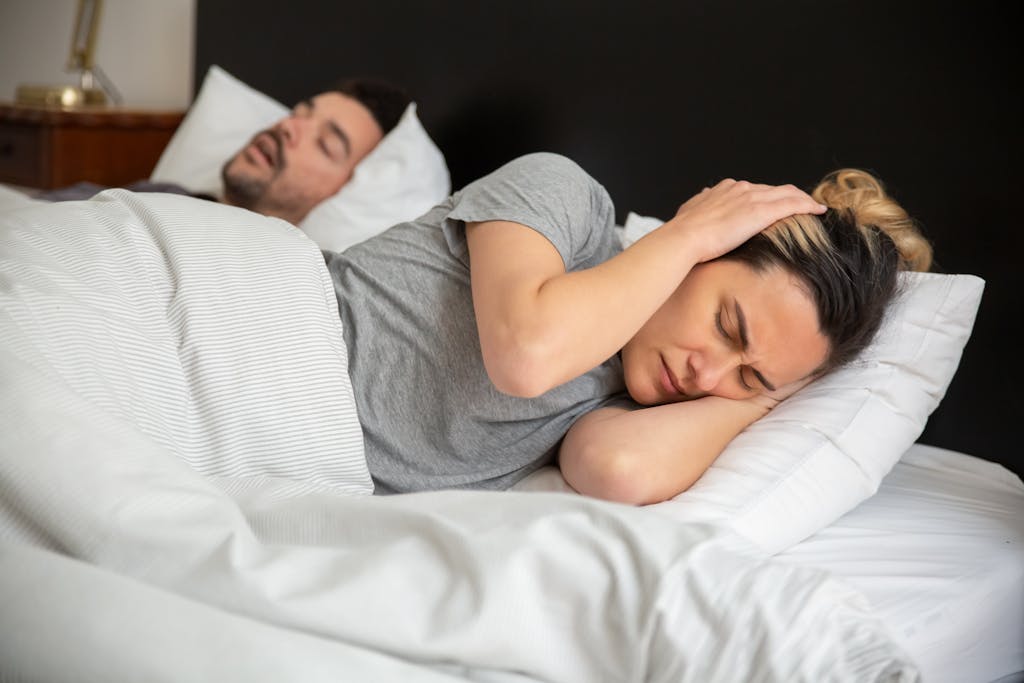
Snoring can sound funny in a movie, but it feels very different at 2:17 a.m. when someone has work in the morning. One partner may fall asleep quickly, while the other lies awake, staring at the ceiling, growing more annoyed by the minute.
After weeks or years of this, the bed stops feeling peaceful. It starts to feel like a place where one person rests, and the other suffers. Loud snoring can also point to sleep apnea, so couples should not ignore it if breathing pauses, gasping occurs, or heavy daytime tiredness appears.
The National Institute on Aging notes that snoring can be a sign of sleep apnea, even though not every snorer has it.
Different sleep schedules make one bed feel unfair.
Many adults between 30 and 65 do not live on the same clock. One person may wake up at 5 a.m. for work, while the other stays up late finishing chores, answering emails, or watching a show to unwind.
The early sleeper hears lights clicking, drawers opening, and phone screens glowing. The late sleeper feels judged for needing more time to wake up. Soon, both people start to protect their own routines.
Separate beds can become less about distance and more about peace. Nobody wants to feel like their own bedtime is a crime.
Tossing and turning ruins the quiet
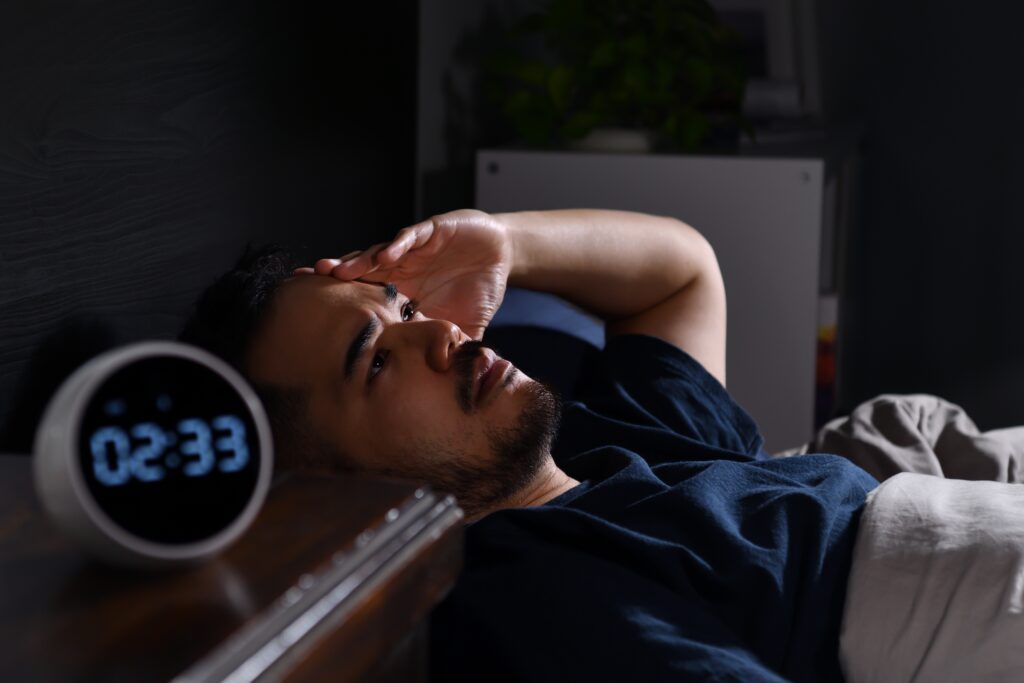
Some people sleep like a folded towel. Others sleep like they are wrestling a bear. They kick, shift, stretch, roll, pull the blanket, or bounce the mattress without even knowing it. Their partner may wake up repeatedly, then feel grumpy the next day. That grumpiness can spill into breakfast, errands, bills, and small talks that should have stayed simple.
A bed should accommodate two people. Once it turns into a nightly obstacle course, separate sleeping can feel like common sense rather than rejection.
Temperature fights become exhausting.
One person wants the room cold enough for a hotel pillow commercial. The other wants socks, blankets, and maybe a small personal sun. This sounds small until it happens every night. Adults also deal with body changes, stress, medication, and menopause, which can affect how hot or cold they feel in bed.
One partner may sweat under the covers, while the other shivers and pulls them back. After enough nights of fan arguments and blanket tugging, sleeping apart may feel easier than negotiating the thermostat like a peace treaty.
Health problems make separate rest more practical.
Back pain, arthritis, restless legs, acid reflux, chronic cough, and bathroom trips can change how someone sleeps. A partner may need pillows stacked a certain way. Another may need to get up often or use a breathing machine. Nobody wants to disturb the person they love, but nobody wants to lose sleep every night, either.
For older adults, sleep problems can become more common, and the National Institute on Aging says adults usually still need about 7 to 9 hours of sleep each night. Separate rooms can give both people space to manage their bodies without as much guilt.
Phones and late-night screens create silent resentment.

A phone can become the third person in the bed. One partner may scroll, watch videos, answer messages, or fall asleep with the screen still glowing. The other partner may pretend it is fine, but the light, sound, and movement can slowly build resentment.
It may not lead to one big fight. It may lead to quiet sighs, cold shoulders, and the sentence nobody likes hearing: “Never mind, I’ll sleep somewhere else.” Many couples do not separate because love is gone. They separate because the bedroom no longer feels calm.
Stress makes people need their own quiet corner.
By the time people reach their 30s, 40s, 50s, or 60s, life can feel loud. There may be children, bills, aging parents, job pressure, health fears, or money stress. Some people can sleep through that noise.
Others need total quiet before their brain will settle down. A partner’s breathing, movement, or small sounds may feel huge when stress is already high.
Sleeping alone can give a person a small place where nobody needs anything from them. That does not mean they love their partner less. It may mean their nervous system needs a break.
Couples want fewer morning fights.
Bad sleep can make kind people sharp. A small comment can sound rude. A forgotten chore can feel personal. A partner who would normally laugh may snap instead.
Over time, couples may notice a pattern: the worse they sleep together, the worse they treat each other the next day. Separate beds can reduce those morning fights.
It gives both people a better chance to wake up rested, softer, and more patient. Some sleep experts even say sleeping apart can help a relationship when both partners talk about it openly and keep affection alive outside the bed.
They want to save the relationship, not leave it.

This may be the quietest reason of all. Some couples stop sleeping next to each other to protect what they still have. They know they love each other, but they also know they are tired of arguing over snoring, blankets, alarms, and restless nights. So they choose a new setup.
Maybe they cuddle before bed, then sleep in separate rooms. Maybe they share weekends but not work nights. Maybe they use separate blankets or separate beds in the same room. The goal is not to become strangers. The goal is to stop letting bad sleep damage, good love.
Key takeaway
Sleeping separately does not always mean a couple is in trouble. Sometimes it means two adults are finally being honest about what their bodies need. For couples aged 30 to 65, sleep can be affected by work, stress, health, pain, snoring, hormones, and busy home lives.
A shared bed can feel romantic, but good rest also matters. The healthiest choice is the one both partners discuss with care, respect, and honesty.
Conclusion
The old rule said happy couples must sleep side by side every night. Real life is more complicated than that. Some couples sleep better together, and some love each other better after a full night apart. The bed should not become a battlefield, a test, or a place where one person always loses rest.
If separate sleeping brings back kindness, energy, and peace, it may not be the end of closeness. It may be the quiet fix that helps love breathe again.