Fruit Cocktail

Canned fruit cocktail looks colorful and fresh, but it’s often packed in heavy syrup loaded with sugar
. One serving can have more calories than you’d expect, and artificial sweeteners in “no sugar added” versions can disrupt digestion and gut health.
The fruit is also mushy and lacks the fiber and flavor of fresh or frozen fruit. For a healthier option, choose whole fruit or fruit canned in water or 100% juice.
Canned Refried Beans

Refried beans may seem like a convenient protein source, but most canned versions are packed with added fats like lard or hydrogenated oils.
Sodium levels are often sky-high, turning what should be a healthy side into a calorie-heavy, heart-unfriendly option.
Cooking dry beans at home is simple and helps you avoid unnecessary additives, giving you better texture, taste, and nutrition.
Canned Precooked Pasta
Prepackaged canned pasta meals are full of sodium, preservatives, and unhealthy fats.
They’re often made with refined flour and low-quality sauces, making them less nutritious and less satisfying than homemade pasta.
Cooking fresh pasta or using frozen pasta dishes made with low-sodium, natural ingredients is a far healthier option.
White Tuna (Albacore)
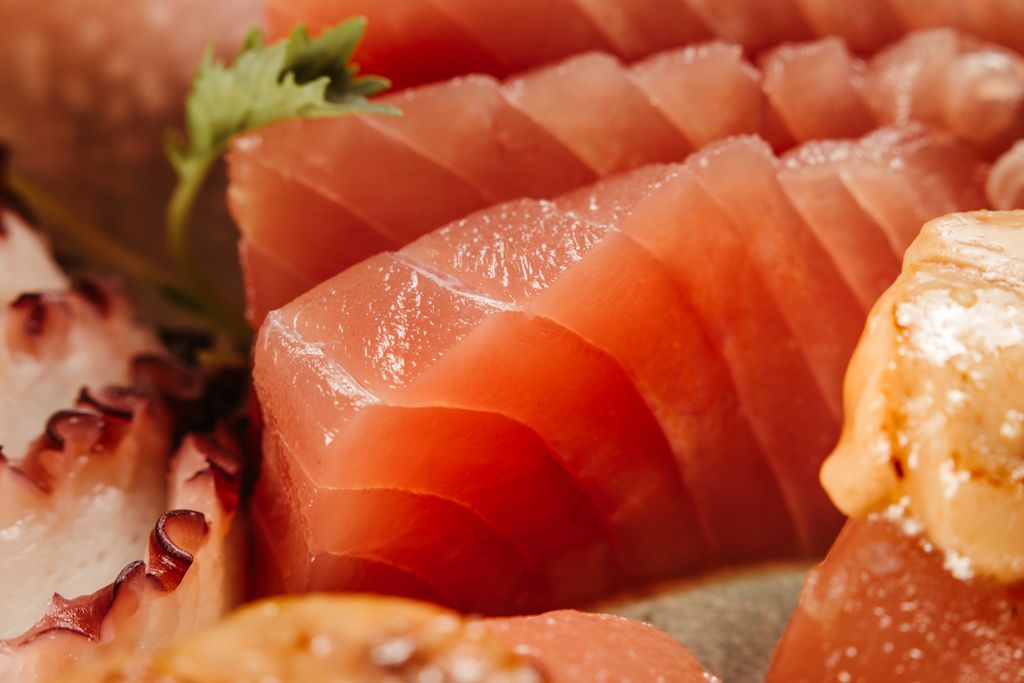
White tuna is often labeled “premium,” but it contains more mercury than other types of tuna.
Mercury exposure, especially in children and pregnant women, can harm brain and nervous system development.
Opt for light tuna or sustainably sourced fresh tuna to reduce mercury intake while still getting protein.
Vienna Sausages
Canned Vienna sausages are small and convenient, but they’re loaded with sodium, preservatives, and fat, sometimes more fat than protein. They’re highly processed and provide little nutritional value, making them a poor choice for a quick snack.
For protein on the go, consider canned chicken or natural nut butters instead.
Canned Soup
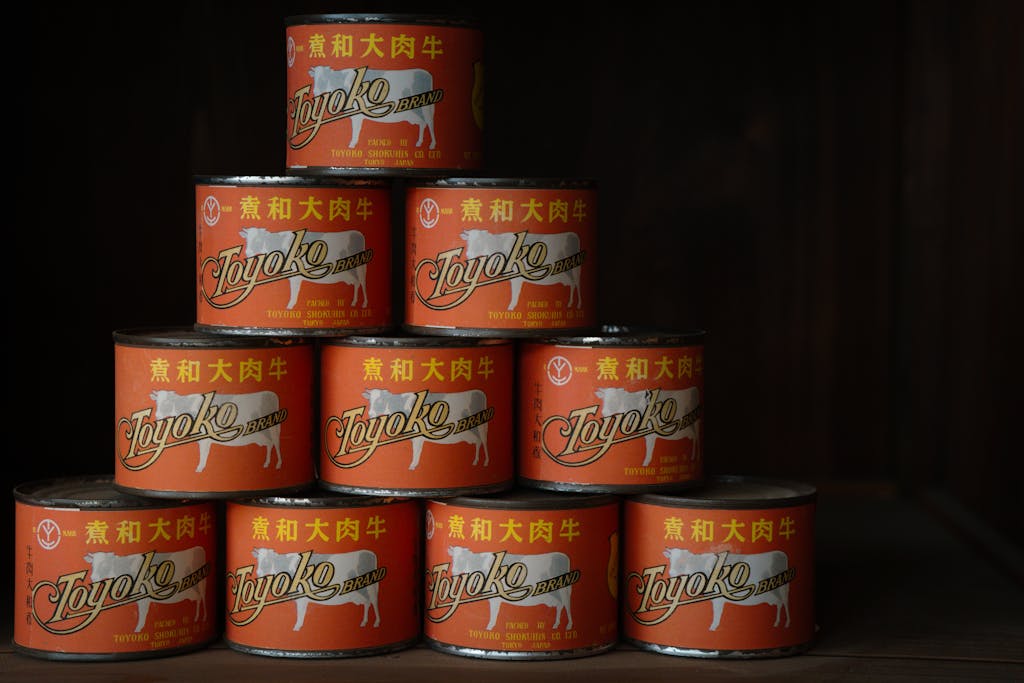
Canned soups may seem comforting, but wide varieties are sodium bombs. One bowl can contain a day’s worth of salt, plus additives, sugar, and unhealthy fats.
Over time, frequent consumption can harm your heart and kidney health.
Making soups at home or choosing low-sodium options allows you to control ingredients and flavor.
Canned Corned Beef
Canned corned beef is heavy in sodium and preservatives, which can negatively affect blood pressure and heart health. It’s also highly processed and often lacks the flavor and texture of fresh beef.
Fresh lean cuts of meat are healthier and more versatile for home cooking.
Canned Chicken
Canned chicken may seem like a convenient protein source, but it often has a rubbery texture, high sodium content, and additives used for preservation.
The flavor can be bland or metallic, making it less appealing than fresh or pre-cooked refrigerated chicken.
When possible, cook or buy fresh chicken for salads, sandwiches, and stir-fries.
Canned Clams

Canned clams can be chewy and briny, and sometimes contain shell fragments. They’re also high in sodium and preservatives.
While they may work for recipes in a pinch, they’re not a reliable source of fresh flavor or nutrition.
Fresh seafood or frozen clams provide a much better texture and taste without the excessive sodium.