When it comes to fueling our bodies, not all foods are equal. To truly nourish yourself, it’s essential to focus on nutrient-dense options that offer lasting energy, support optimal health, and promote long-term wellness. The right foods don’t just satisfy hunger, they provide the vital nutrients your body needs to thrive every day.
We’ll dive into the best foods that nourish your body, highlighting their numerous benefits and explaining why they should be an essential part of your diet. If you’re looking to boost energy, improve immunity, or maintain overall well-being, these foods will give you the foundation for a healthier, more vibrant life.
Leafy Greens
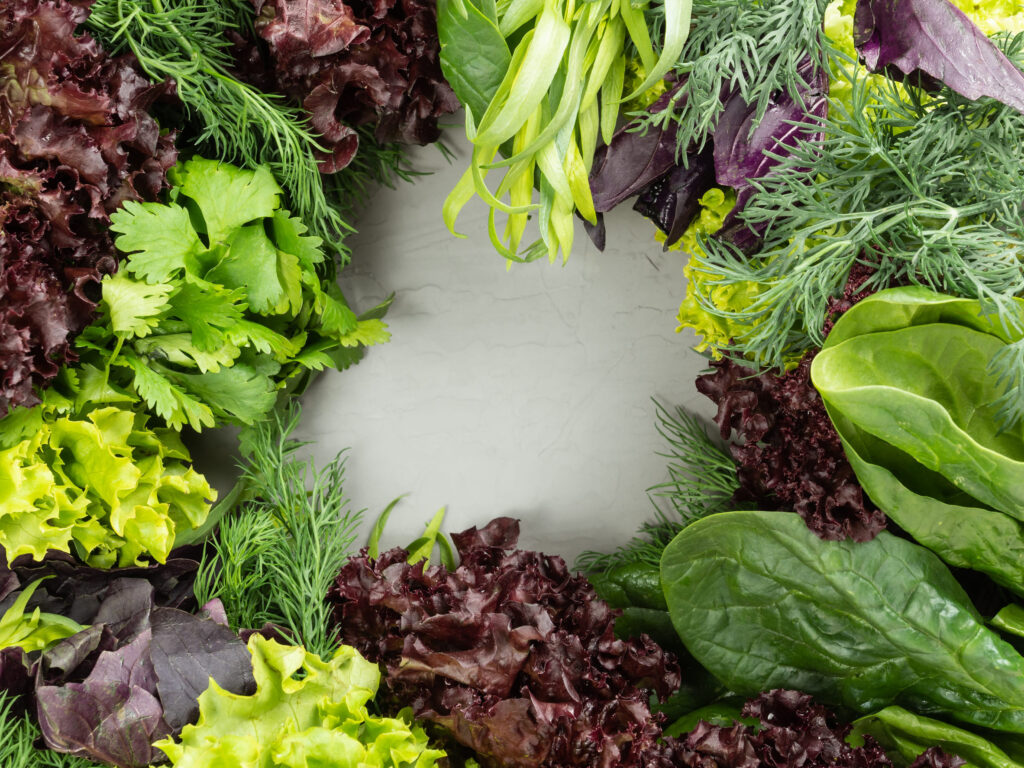
Leafy greens, like kale, spinach, and Swiss chard, are some of the most nutrient-packed foods you can eat. Rich in essential vitamins A, C, and K, these greens support immune function, improve skin health, and help build strong bones. The high fiber content aids digestion, while their powerful antioxidants help reduce inflammation throughout the body.
Incorporating a variety of leafy greens into your daily diet can significantly improve your overall health. Whether you toss them in salads, blend them into smoothies, or sauté them as a side dish, these nutrient-dense foods are an easy and delicious way to boost your wellness. They are incredibly versatile, providing numerous ways to enjoy the benefits of these green powerhouses.
Fatty Fish
Fatty fish like salmon, mackerel, and sardines are excellent sources of omega-3 fatty acids, which are essential for maintaining heart health. These healthy fats help reduce inflammation, support cognitive function, and even lower the risk of chronic diseases such as diabetes and cancer. Omega-3s also contribute to healthier skin and eyes, making fatty fish an essential addition to a well-balanced diet.
Adding fatty fish to your meals just a couple of times a week can make a big difference in supporting your cardiovascular and brain health. With their rich content of healthy fats, these fish are also a great option for improving your skin’s elasticity and overall appearance. Whether grilled, baked, or added to salads, they are a nourishing and flavorful choice.
Berries
Berries like blueberries, strawberries, and raspberries are packed with antioxidants that help protect the body from oxidative stress and free radical damage. These antioxidants are key in reducing the risk of chronic conditions such as heart disease, diabetes, and certain cancers. On top of that, berries are low in calories, high in fiber, and make for an excellent, healthy snack.
Including berries in your daily diet is a simple way to boost your overall health. They are delicious in smoothies, sprinkled over oatmeal, or eaten as a snack, providing a burst of flavor and nutrition with every bite. The antioxidant power of berries can also help combat signs of aging, keeping you feeling youthful and energized.
Nuts and Seeds
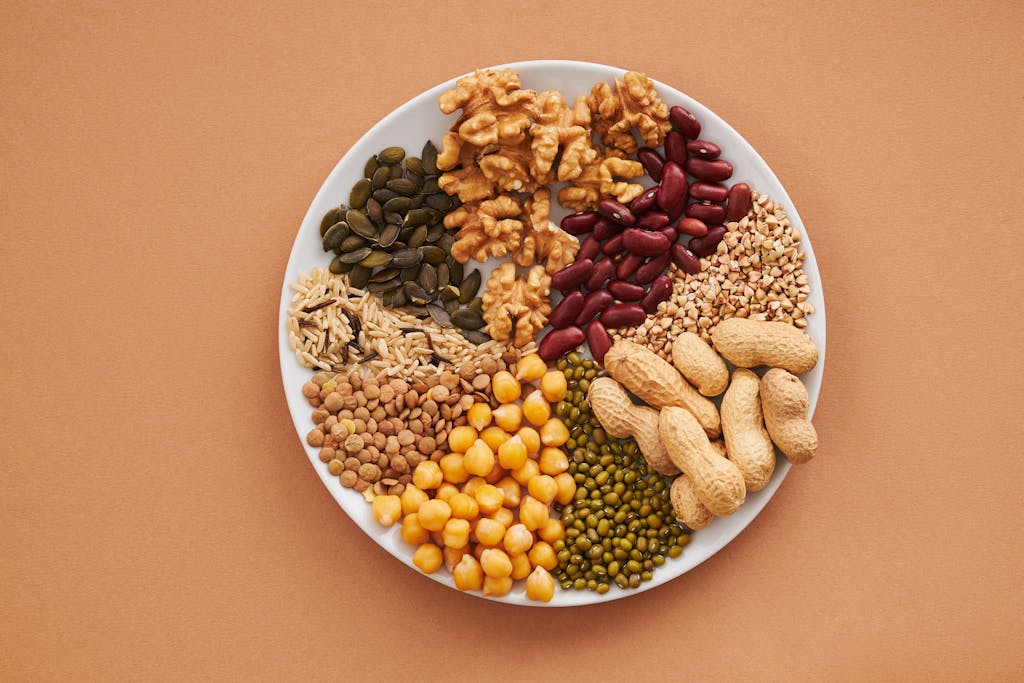
Nuts and seeds, such as almonds, walnuts, chia seeds, and flaxseeds, are packed with healthy fats, protein, and fiber, providing long-lasting energy throughout the day. These nutrient-dense foods are also high in magnesium, which is essential for regulating blood pressure, supporting muscle function, and improving sleep quality. Including a handful of nuts or seeds in your meals can promote heart health, aid weight management, and stabilize your energy levels.
Whether sprinkled on yogurt, mixed into salads, or enjoyed as a snack, nuts and seeds are versatile and easy to incorporate into your diet. Their combination of healthy fats and fiber helps keep you full and satisfied, making them an excellent choice for managing hunger and supporting sustained energy. These small powerhouses pack a punch in terms of nutrition and benefits.
Whole Grains
Whole grains like quinoa, brown rice, and oats are excellent sources of complex carbohydrates, providing steady energy without causing blood sugar spikes. Rich in fiber, whole grains also support healthy digestion and lower cholesterol levels, contributing to heart health. They’re packed with essential vitamins and minerals, including B vitamins, iron, and magnesium, which are crucial for overall wellness.
Adding whole grains to your meals ensures that you stay full and energized throughout the day while nourishing your body with vital nutrients. Whether used in bowls, soups, or as a side dish, whole grains are a filling and nutritious option. They provide sustained energy, making them a perfect addition to any balanced diet.
Legumes
Legumes, including lentils, chickpeas, and black beans, are plant-based protein powerhouses that are packed with fiber, iron, and magnesium. These foods help stabilize blood sugar levels, promote heart health, and improve digestive health. Legumes are incredibly versatile, making them easy to add to soups, salads, stews, or even as a meat substitute.
Incorporating more legumes into your diet is a simple and effective way to boost your protein intake while nourishing your body with essential minerals. They are low-cost, filling, and provide long-lasting energy, making them a fantastic choice for maintaining a balanced and healthy diet. Whether you enjoy them in savory dishes or as part of a hearty salad, legumes are an essential component of a well-rounded diet.
Sweet Potatoes

Sweet potatoes are a fantastic source of complex carbohydrates, providing a slow, steady release of energy throughout the day. Rich in beta-carotene, they support eye health and are a great source of vitamin A, which is crucial for immune function and healthy skin. Sweet potatoes also contain potassium, helping to maintain proper muscle function and electrolyte balance in the body.
This versatile root vegetable is a nourishing addition to any meal. Whether baked, mashed, or roasted, sweet potatoes add a naturally sweet flavor while delivering numerous health benefits. Their high fiber content also helps promote digestive health, making them an excellent choice for any balanced diet.
Avocados
Avocados are rich in heart-healthy monounsaturated fats that can help lower bad cholesterol levels and improve heart health. These healthy fats also support brain function, while the high potassium content helps maintain healthy blood pressure and supports muscle function. Avocados are also a great source of fiber and essential vitamins, including vitamins C, E, and K.
Incorporating avocados into your diet is an easy way to nourish your body while enjoying a creamy, flavorful addition to meals. They are incredibly versatile, adding richness to smoothies, salads, or sandwiches. With their nutrient profile and heart-healthy benefits, avocados are a must-have superfood for overall wellness.
Yogurt

Yogurt, especially Greek yogurt, is an excellent source of protein, calcium, and probiotics, which support gut health, digestion, and immunity. The probiotics in yogurt help maintain a healthy balance of gut bacteria, supporting better digestion and overall well-being. In addition, yogurt’s calcium content supports strong bones and teeth, making it an essential part of a healthy diet.
Regularly incorporating yogurt into your meals can help improve digestion and support your immune system. Enjoy it on its own, mixed with fruit and nuts, or as part of smoothies and dressings. With its rich probiotic content and nutritional profile, yogurt is a delicious and beneficial food that can contribute to long-term health.