Bad dreams are an unfortunate part of life that can leave you feeling unsettled upon waking. While stress, medications, and disturbing media may be obvious culprits, research suggests that what you eat and drink before bed could play a significant role in determining the quality of your sleep and the nature of your dreams. Certain foods have been linked to disrupted sleep patterns and, in turn, more vivid or unsettling dreams.
The foods that cause bad dreams often affect sleep quality in subtle yet impactful ways. These disruptions occur through mechanisms such as altering body temperature, triggering acid reflux, or elevating alertness. Understanding how specific foods affect your sleep can help you make better choices for a peaceful night’s rest, free of disturbing dreams.
Spicy Foods Like Hot Sauce, Chili, and Pepper-Loaded Meals

Spicy foods, such as hot sauce, chili, or dishes heavy on peppers, are infamous for disrupting sleep and dreams. The reason lies in how spicy food affects your body temperature. A study published in Frontiers in Psychology found that eating spicy food before bed increases core body temperature, making it harder to reach deep, restorative sleep stages.
Higher body temperature leads to fragmented sleep, making it easier for the brain to create vivid or unsettling dreams. If you’re sensitive to spicy food, you might experience disruptions in both the quantity and quality of your sleep, which often results in nightmares. Additionally, spicy foods can trigger acid reflux, a condition that worsens when lying down and further disturbs sleep.
Soda and Other Sugary Caffeinated Drinks
Soda, especially the kind loaded with sugar and caffeine, should be avoided before bed. Caffeine is a well-known stimulant that interferes with the body’s ability to relax and achieve deep sleep.
A study conducted by the National Sleep Foundation found that even moderate caffeine consumption can impair sleep, disrupt REM sleep, and lead to restless, fragmented sleep cycles. On top of that, sugary sodas spike blood sugar levels, causing energy crashes and more light, restless sleep. This combination is a recipe for unpleasant dreams.
The body’s struggle to process sugar and caffeine during the night makes it harder to enter the most restorative stages of sleep, and nightmares are often the result. If you struggle with bad dreams, cutting out soda at least 4 hours before bedtime could make a significant difference.
Chocolate, Especially Dark Chocolate and Chocolate Desserts
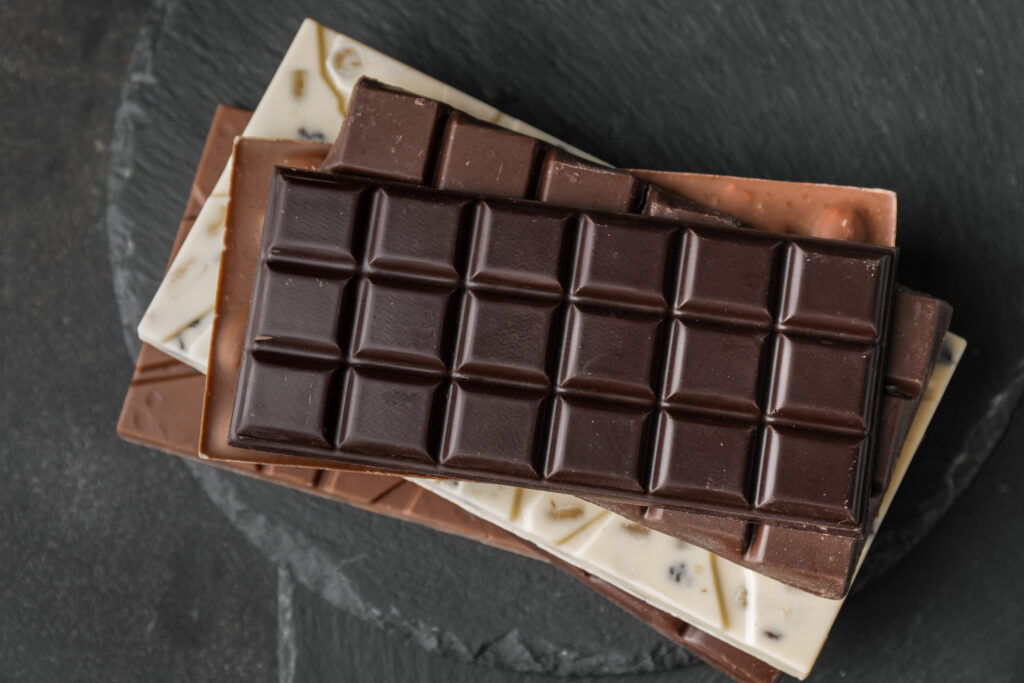
Chocolate may be delicious, but it can be problematic for sleep. Not only does it contain caffeine, but it also includes theobromine, a compound that increases heart rate and promotes alertness.
These ingredients, although present in smaller quantities than coffee, still cause enough disruption to affect sleep quality. Studies have shown that eating chocolate, particularly dark chocolate, can lead to more intense dreams, sometimes even violent or unsettling ones.
The psychoactive properties of chocolate stimulate the brain, making it harder for your mind to slow down. If you’re prone to nightmares or feel your sleep is light and fragmented, consider enjoying chocolate earlier in the day instead of as a late-night snack.
Ice Cream and Other Rich Full-Fat Dairy Desserts

Ice cream, along with other dairy-heavy desserts, may seem like an innocent bedtime treat, but it’s not as benign as it seems. Dairy products are linked to poor sleep in certain individuals, particularly when consumed in large amounts.
Ice cream, being high in sugar and fat, can delay digestion, making the body work overtime while you’re trying to sleep. This disruption in digestion leads to restless sleep, which can be filled with unsettling or intense dreams.
Additionally, high-fat dairy foods like ice cream may increase the likelihood of acid reflux, which, in turn, can cause nighttime waking and prevent deep, restorative sleep.
Cheese and Dairy Products
Cheese is one of the most well-known foods associated with disturbing dreams. A study conducted by the British Cheese Board found that consuming cheese before bed can lead to vivid, sometimes bizarre, dreams.
In particular, strong cheeses such as Stilton and blue cheese were linked to higher rates of strange dreams. While the myth that cheese causes nightmares is often debunked, there is still significant evidence suggesting that cheese can disrupt sleep.
The fat content in cheese is slowly digested, which can keep the body active throughout the night, leading to disturbed sleep cycles and the potential for nightmares. If you’re sensitive to dairy or prone to disrupted sleep, it might be best to avoid cheese at least four hours before bedtime.
Cookies, Cake, Candy, and Other Sugar Bombs
Sugar-laden foods like cookies, cakes, and candy may cause more than just a sugar rush; they can also affect your sleep. High sugar intake has been consistently linked to poor sleep quality.
A study published in PMC found that high sugar intake was associated with shorter sleep duration, more frequent awakenings, and less deep sleep. These factors can make your sleep more shallow and increase the likelihood of nightmares or disturbing dreams.
Eating these sugary treats right before bed can elevate your blood sugar and insulin levels, disrupting your sleep patterns. If you want to avoid bad dreams, try to limit sugar-heavy snacks before bedtime.
Fries, Fried Fast Food, and Potato Chips
Fried foods like fries, chips, and fried fast food might be delicious, but they don’t do your sleep any favors. These greasy, high-fat foods can slow digestion, making your body work harder during the night.
The body’s effort to digest fatty foods results in less time spent in deep sleep, as your system is occupied with breaking down the meal. As a result, sleep becomes lighter, and you’re more likely to experience vivid, disruptive dreams.
Fried foods are also known to contribute to acid reflux, which exacerbates the problem, leading to more frequent awakenings and disturbed sleep cycles. Opting for lighter meals at least a few hours before bed can help prevent these disruptions.
Pasta Heavy Late Dinners
Pasta, while a delicious and filling meal, can interfere with sleep if eaten too close to bedtime. The high carbohydrate content of pasta converts to sugar, which can spike blood sugar levels, leading to an unstable night of sleep.
Research suggests that eating pasta too close to bedtime can lead to fragmented sleep and increase the likelihood of disturbing dreams. The body’s need to digest a heavy, carb-loaded meal late at night keeps the body in a state of mild alertness, making it harder to enter deep sleep. A smaller, earlier dinner can help mitigate these effects.
Sweet Sauces, Dressings, and Hidden Sugar Toppings
Sweet sauces and dressings are often overlooked as potential triggers of bad dreams, but they can disrupt sleep.
Sauces like barbecue sauce, honey mustard, and teriyaki glaze are often packed with hidden sugars, which can trigger blood sugar spikes and contribute to fragmented sleep.
The body’s response to this sugar overload during the night can lead to waking up more frequently and lighter sleep, both of which create the ideal environment for vivid, unsettling dreams. The combination of added sugars and high-fat dressings can make your sleep far less restorative, increasing the chances of nightmares.
Pizza and Other Late-Night Combo Meals
Pizza is the quintessential late-night food for many, but it’s also one of the worst foods to eat right before bed. The combination of cheese, tomato sauce, processed meats, and refined carbs creates a recipe for disrupted sleep.
The acidity of tomato sauce can trigger heartburn, while the fats in the cheese and meats slow digestion, making your body work harder during sleep. This results in a disturbed sleep cycle and increases the likelihood of vivid, sometimes disturbing dreams. If you crave pizza, try to enjoy it earlier in the day to avoid interrupting your sleep cycle.
Alcohol Nightcaps and Bedtime Cocktails

While alcohol may help some people fall asleep faster, it often disrupts sleep later in the night, leading to increased chances of nightmares. Alcohol is known to reduce the quality of REM sleep, and as the body metabolizes it, it can trigger early morning awakenings.
This fragmentation of sleep creates the perfect environment for more vivid and disturbing dreams.
In addition, alcohol can worsen acid reflux, leading to more restless sleep. If you’re looking to enjoy a peaceful night without the interference of nightmares, try skipping alcohol or limiting it several hours before bed.