Acid reflux can be an ongoing struggle, affecting everything from what you eat to how you feel on a daily basis. While fruits are an essential part of a healthy diet, certain varieties can worsen acid reflux by increasing stomach acid production or relaxing the lower esophageal sphincter (LES), allowing acid to flow back into the esophagus. Understanding which fruits are more likely to cause issues can help you make better dietary choices and alleviate discomfort.
Let’s dive deeper into 10 fruits that could trigger acid reflux.
Pineapple
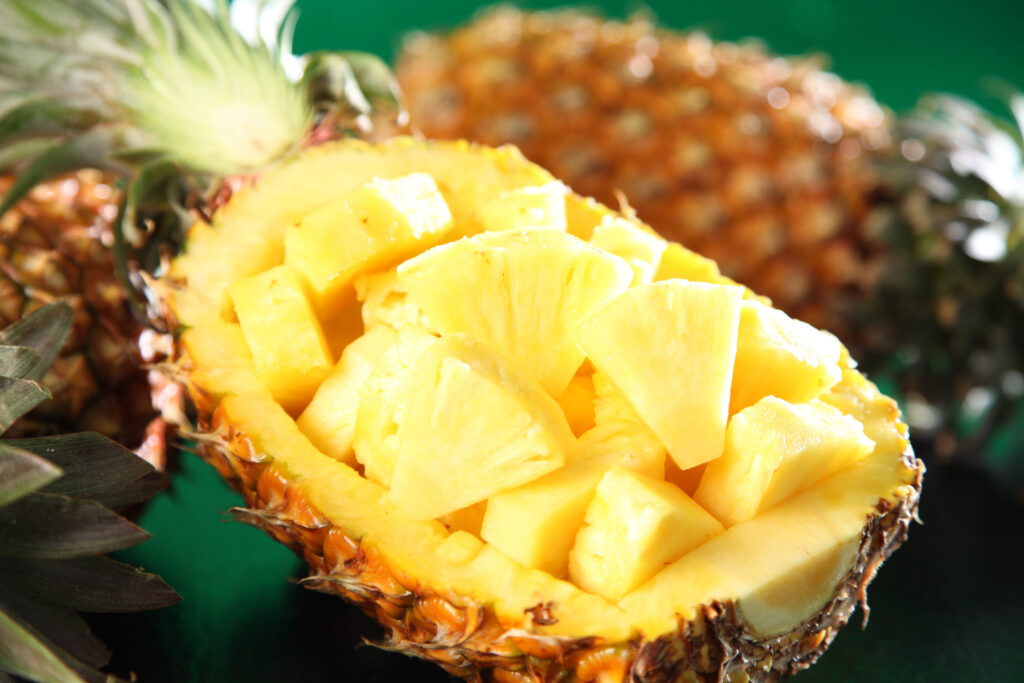
Pineapple might seem like an innocent tropical fruit, but its high acidity can irritate the stomach lining and trigger acid reflux. While pineapple is rich in vitamin C and bromelain, an enzyme that aids in digestion, the acidity can worsen reflux symptoms.
The tart, tangy nature of pineapple can upset sensitive stomachs, leading to discomfort and the familiar burning sensation in the chest. While delicious, pineapple should be consumed in moderation, especially for those with a history of acid reflux or heartburn.
Citrus Fruits
Citrus fruits such as oranges, grapefruits, lemons, and limes are beloved for their high vitamin C content, but their acidity is often too much for individuals with acid reflux. The sharp, tangy taste can easily irritate the lining of the esophagus, exacerbating heartburn and indigestion.
The high acid content in these fruits is a primary culprit for reflux, as it can increase stomach acidity and trigger the regurgitation of acid into the esophagus. If you’re prone to acid reflux, it’s best to avoid or limit these fruits and consider milder options like bananas or melons.
Tomatoes
Tomatoes are often among the first on the list of acid reflux triggers, and for good reason. While technically a fruit, tomatoes are known for their high acidity, which can irritate the esophagus and cause heartburn. This acidity is particularly problematic when consumed raw or in processed forms such as sauces, ketchup, or salsas.
The acidity in tomatoes can relax the lower esophageal sphincter, allowing stomach acid to enter the esophagus and cause the burning sensation associated with acid reflux. Even though tomatoes are packed with vitamins and antioxidants, their potential to cause discomfort makes them a risky choice for reflux sufferers.
Strawberries
Strawberries are a popular fruit due to their sweetness and high antioxidant content, but they are also naturally acidic. While they are less acidic than citrus fruits, they still contain enough acid to cause discomfort for people prone to acid reflux.
The acidity in strawberries can irritate the stomach and esophagus, triggering heartburn. Additionally, strawberries have a relatively high sugar content, which can put added stress on the digestive system. If you love strawberries, it’s wise to enjoy them in moderation and consider opting for less acidic alternatives.
Peaches
Peaches are another stone fruit that can be surprisingly problematic for individuals with acid reflux. Despite their sweetness and juiciness, peaches are naturally acidic, which can irritate the stomach lining and lead to reflux.
Their high acidity can weaken the LES, allowing stomach acid to rise into the esophagus and cause discomfort and heartburn. If you suffer from acid reflux, it’s a good idea to avoid peaches or consume them sparingly to minimize their effects on your digestive system.
Cherries
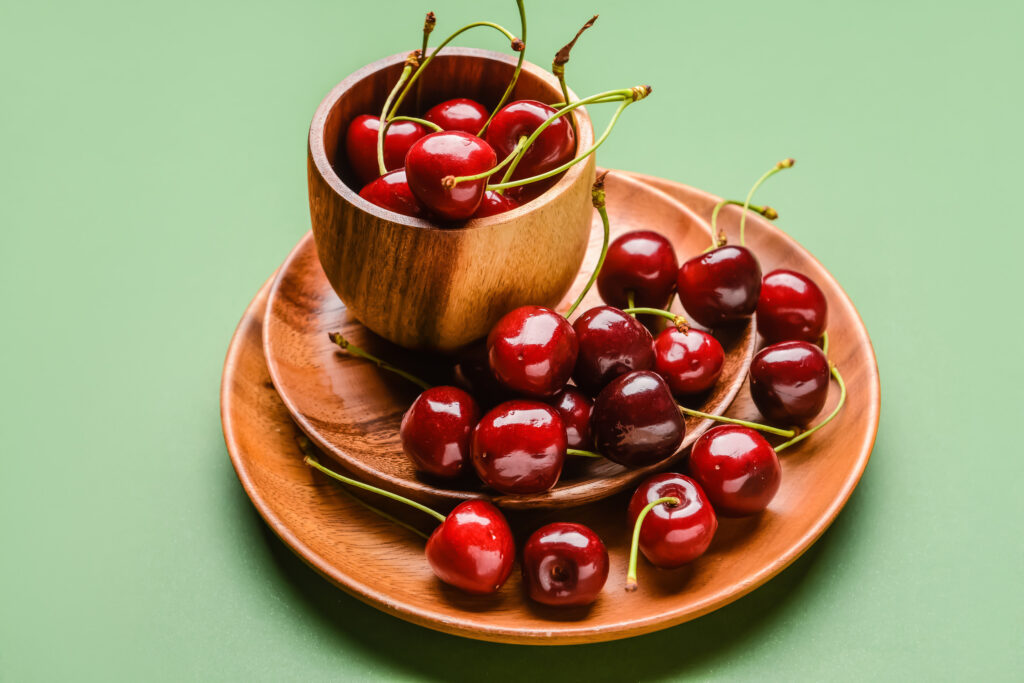
Cherries are often enjoyed for their sweet-tart flavor and health benefits, but their natural acidity can contribute to acid reflux. While they are rich in antioxidants, cherries contain enough acid to irritate the esophagus and cause discomfort.
The tartness can especially be problematic for individuals with sensitive stomachs, exacerbating heartburn symptoms. If you notice that cherries tend to trigger your reflux, it’s best to avoid them or limit your consumption to smaller amounts.
Pears
Pears are generally considered low-acid fruits, making them a relatively safe option for those with acid reflux. However, certain types of pears, particularly under-ripe or overly fibrous varieties, can still cause discomfort.
Their high fiber content can contribute to bloating, increasing stomach pressure, and exacerbating reflux symptoms. To minimize the risk of reflux, it’s best to eat pears when they are fully ripe, as this will reduce their fibrous texture and decrease the likelihood of digestive upset.
Mangoes
Mangoes are a tropical favorite known for their sweetness and rich flavor, but they are not always gentle on the stomach. Mangoes contain a combination of sugars and acids, which can irritate the stomach and contribute to acid reflux symptoms.
While mangoes are packed with vitamins and minerals, their natural acidity may trigger heartburn in sensitive individuals. For those with acid reflux, it’s best to enjoy mangoes in moderation or swap them for lower-acid alternatives.
Grapes
Grapes are often considered a healthy snack, but they can trigger reflux symptoms in some individuals. Grapes contain natural acids and high sugar levels, which can increase stomach acidity and lead to reflux. The combination of sugar and acidity can put additional strain on the digestive system, particularly when eaten in large quantities.
Eating a large number of grapes at once can lead to bloating, stomach pressure, and heartburn. If you’re dealing with acid reflux, it’s best to enjoy grapes in small quantities or opt for other fruits that are gentler on the stomach.
Apples

Apples are often considered a heart-healthy fruit, praised for their fiber content and ability to regulate digestion. However, for some individuals, apples, especially green apples, can trigger acid reflux. Green apples tend to be more acidic than red varieties, making them more likely to irritate the stomach lining.
Apples are also high in fiber, which can contribute to bloating and increased stomach pressure, further aggravating reflux symptoms. If you experience discomfort after eating apples, consider switching to a sweeter variety or limiting your intake.