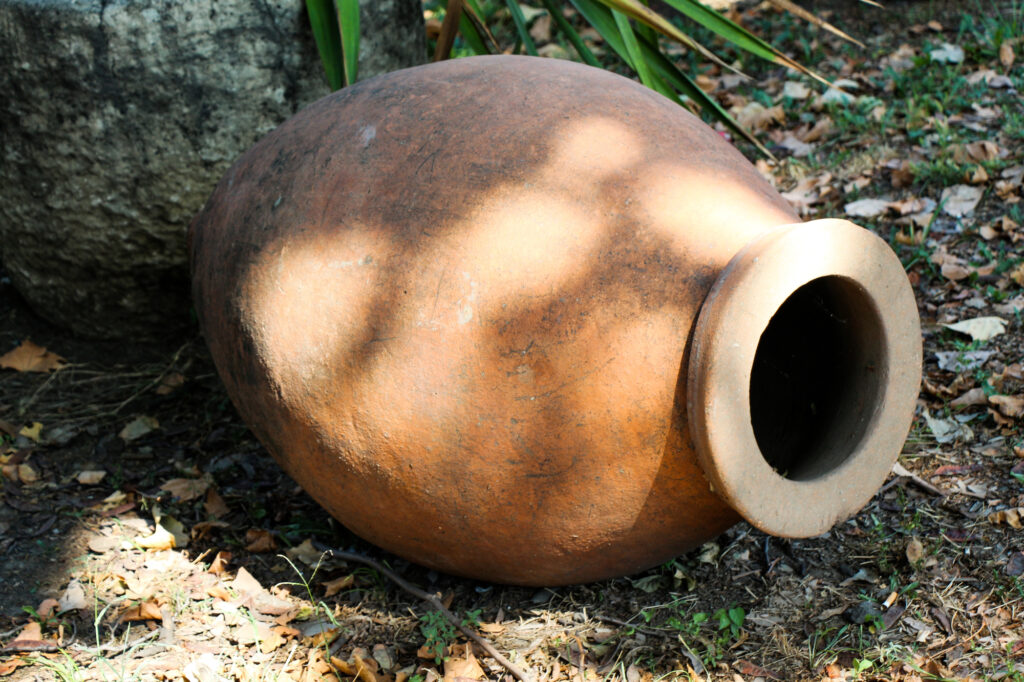
A small clay pot has been showing up in more garden beds lately, and it’s not there for decoration. At first glance, it looks almost too simple to matter. But this buried pot—called an olla—has been quietly helping gardeners water their plants for centuries.
An older method that still makes sense
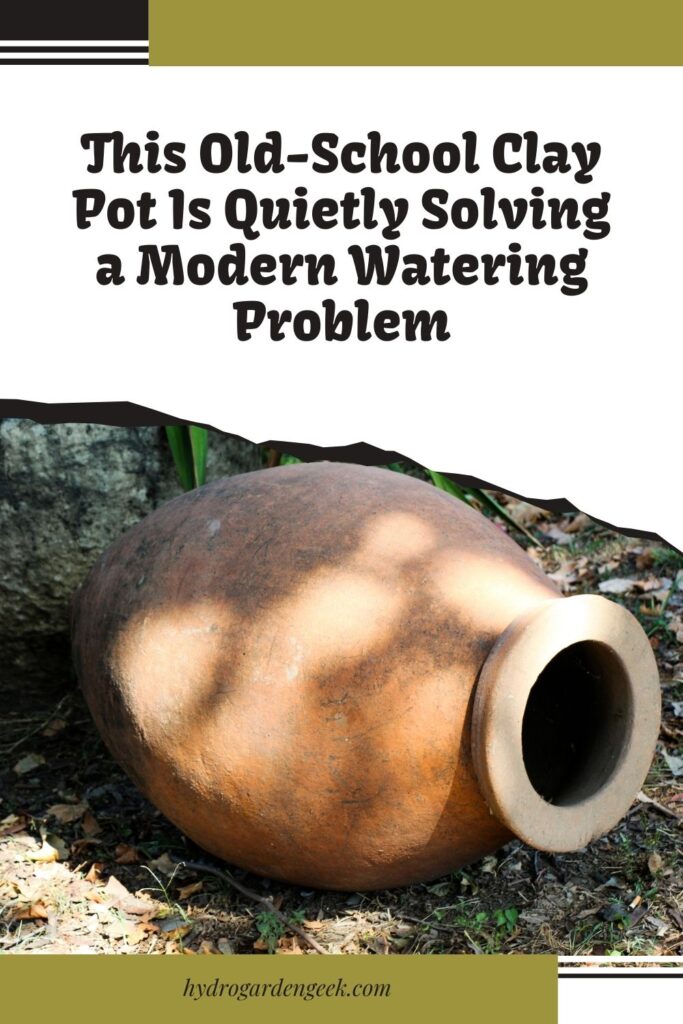
An olla is an unglazed terracotta pot buried in the soil with only the opening visible at the surface. The idea is old, used for generations in dry regions where water had to be used carefully. Now, gardeners are returning to it for a reason—it works!
Watering that happens underground
Using an olla is straightforward. You fill the pot with water, cover it, and leave it alone. The porous clay allows moisture to seep slowly into the surrounding soil, but only when the soil needs it. Roots grow toward the pot and take up water at their own pace.
There are no schedules to follow and no equipment to manage. The watering happens below the surface, right where plants need it most.
Why it is becoming more common
Ollas help reduce water waste by delivering moisture directly to plant roots, rather than losing it to evaporation or runoff. They’re especially useful in garden beds that dry out quickly or during hot stretches when consistent watering matters.
Vegetables like tomatoes, squash, and beans tend to respond well to this kind of steady moisture. And because ollas are durable and reusable, many gardeners find it easier to rely on them in the long term. Refilling every few days is often enough.
Easy to spot, hard at work
If you notice a small terracotta opening tucked into a garden bed with a simple lid on top, you’ve probably found an olla. It doesn’t draw attention, but the difference it makes shows up in healthier soil and less stressed plants.
Sometimes the most effective tools are the ones that stay out of the way and do their work quietly.