Cooking for a crowd can feel like hosting a tiny food festival inside one overworked kitchen. The moment the main dish needs roasting, the sides need baking, and dessert wants its turn, your oven suddenly becomes the most popular seat in the house. Still, limited oven space does not have to ruin your menu or your mood. The smartest hosts do not rely on one appliance to carry the whole celebration. They spread the workload, build a menu with intention, and make the kitchen feel bigger than it really is.
The real trick is not squeezing every dish into the oven at once. It is designed so that the oven handles only the jobs that truly need it. That means mixing in slow cooker recipes, no-cook options, room-temperature dishes, and make-ahead favorites that can be finished with minimal stress. Once you start thinking that way, cooking for a crowd becomes less of a traffic jam and more of a smooth relay race.
Start With a Menu That Knows Its Limits
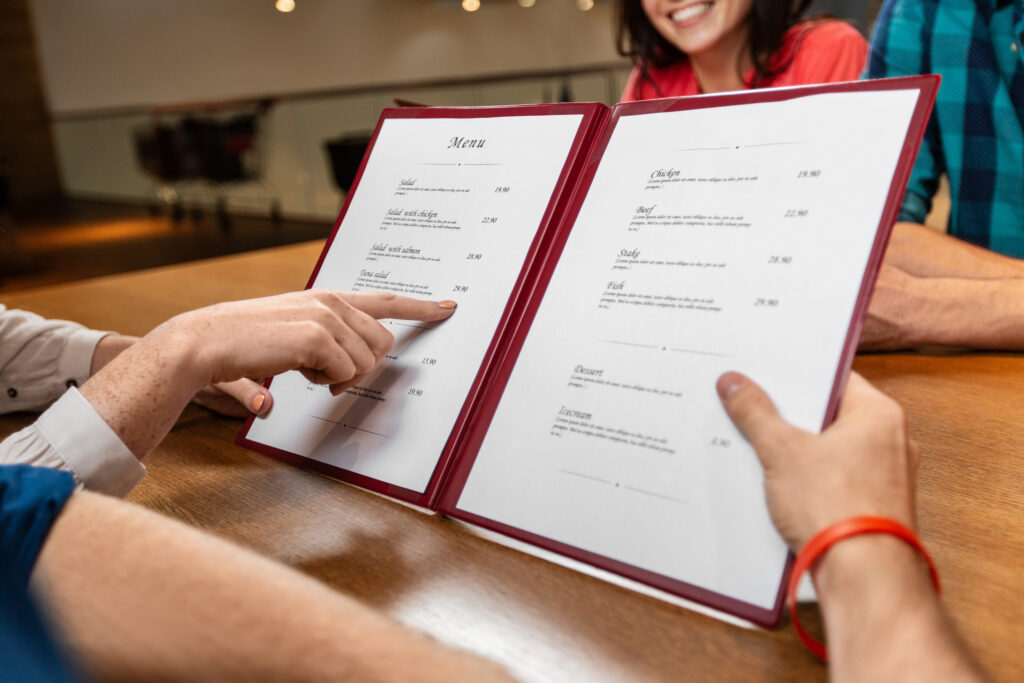
A crowded meal plan fails long before the first pan goes into the oven. Trouble begins when too many dishes all demand the same heat, the same timing, and the same square inches of rack space. A smarter menu pairs one or two oven stars with dishes that can be cooked elsewhere or served without reheating. That way, the oven becomes a specialist instead of a stressed-out general trying to do everything at once.
This is where discipline pays off. Instead of choosing five dishes that sound impressive on paper, choose recipes that actually cooperate with one another. Roasted chicken, a cold salad, a slow-cooked soup, and a make-ahead dessert work together beautifully because they do not all compete for the same moment. A good crowd meal should feel balanced on the table, but it should also feel balanced in the kitchen.
Let Other Appliances Earn Their Keep
Your oven does not need to be the hero of the story. Slow cookers, air fryers, microwaves, instant pots, grills, and even stovetop burners can play a major role in the meal when used with purpose. Soups, stews, beans, and warm dips can sit happily in a slow cooker, while an air fryer can crisp vegetables or reheat smaller batches without stealing precious oven space.
This approach changes the mood of the entire cooking day. Instead of standing there waiting for one appliance to free up, you create parallel lanes of progress. Rice can cook in one corner, vegetables can finish in another, and the oven can stay reserved for the centerpiece. A crowded kitchen feels much calmer when every appliance has a clear job, rather than several people hovering around one glowing door.
Choose Dishes That Share Similar Temperatures
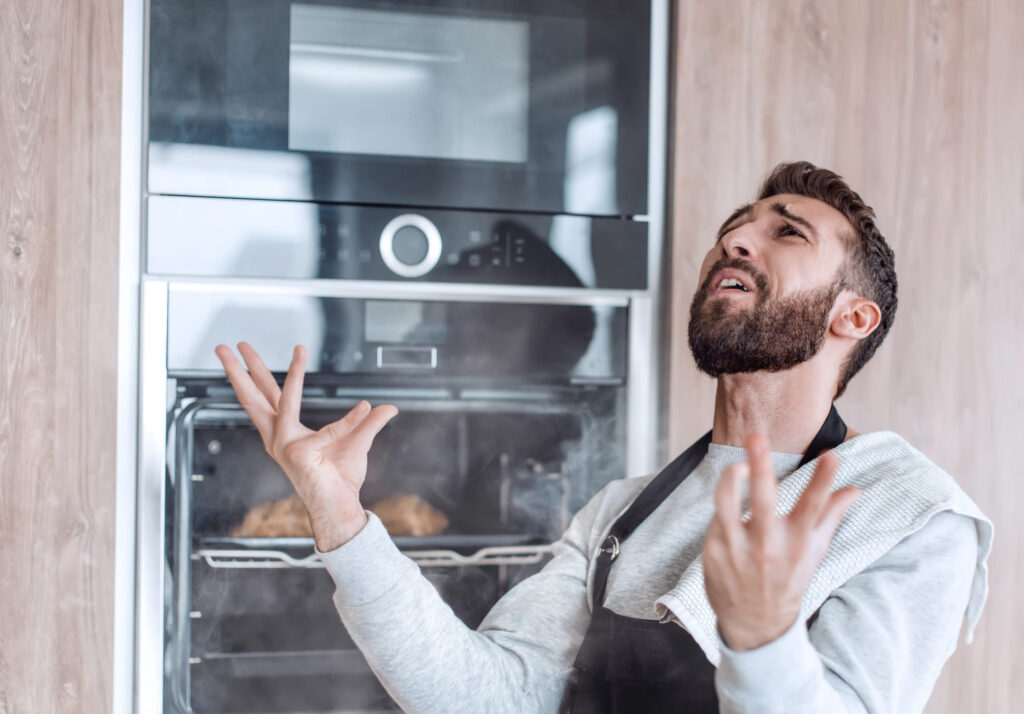
One of the easiest ways to waste time in a small kitchen is constantly adjusting oven temperatures. Every swing from one setting to another slows the process and complicates timing. The source article recommends choosing recipes that cook at similar temperatures, or at least meeting in the middle when the difference is not dramatic. That simple decision can rescue your entire schedule.
Think of the oven as a team player that performs best with a coordinated roster. If two sides can both bake at the same temperature, they become more practical than a dish that demands its own private climate. Guests never know how elegantly a meal was planned behind the scenes, but they always feel the difference when dinner arrives on time, and nobody looks frazzled.
Prep the Heavy Work Before the Crowd Arrives
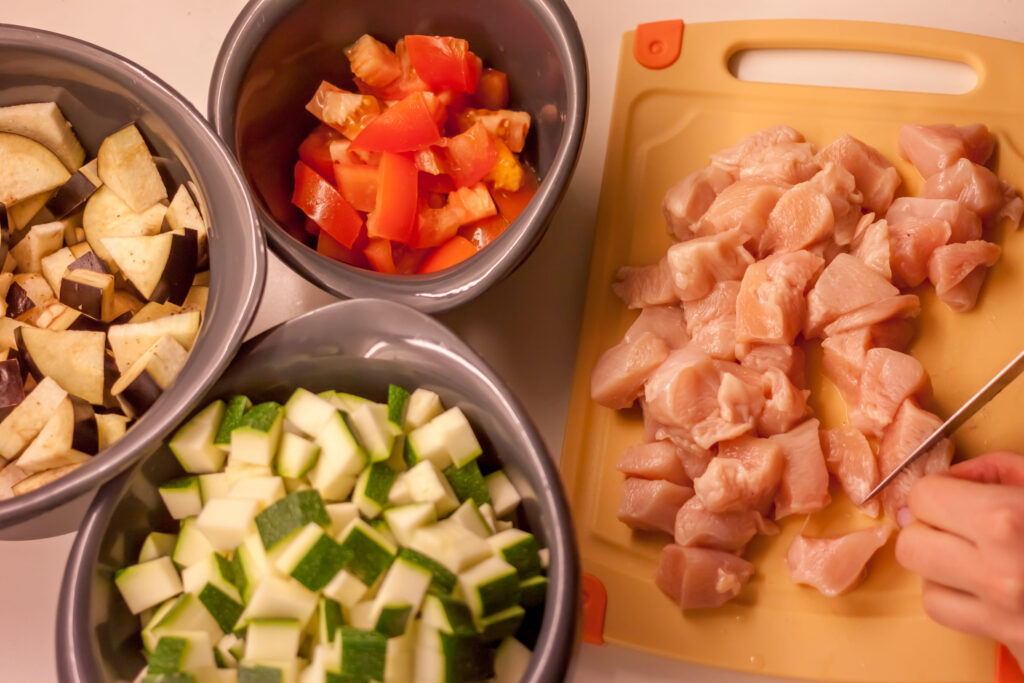
The best way to make a small oven feel bigger is to do as much work as possible before the event day. Chopping vegetables, marinating meat, assembling casseroles, and baking desserts ahead of time can remove the most chaotic steps from the final stretch. The original article highlights make-ahead dishes like pasta bakes and pies because they can be reheated later, avoiding the need for fresh oven time at the busiest moment.
This is the kind of planning that saves your energy as much as your oven space. When guests are arriving, the last thing you want is to still be wrestling with raw ingredients and a mountain of prep bowls. The more you finish early, the more the event starts to feel like hosting instead of surviving. That difference matters because good food tastes even better when the cook is relaxed enough to enjoy it too.
Build Around Dishes That Taste Great Cold or at Room Temperature
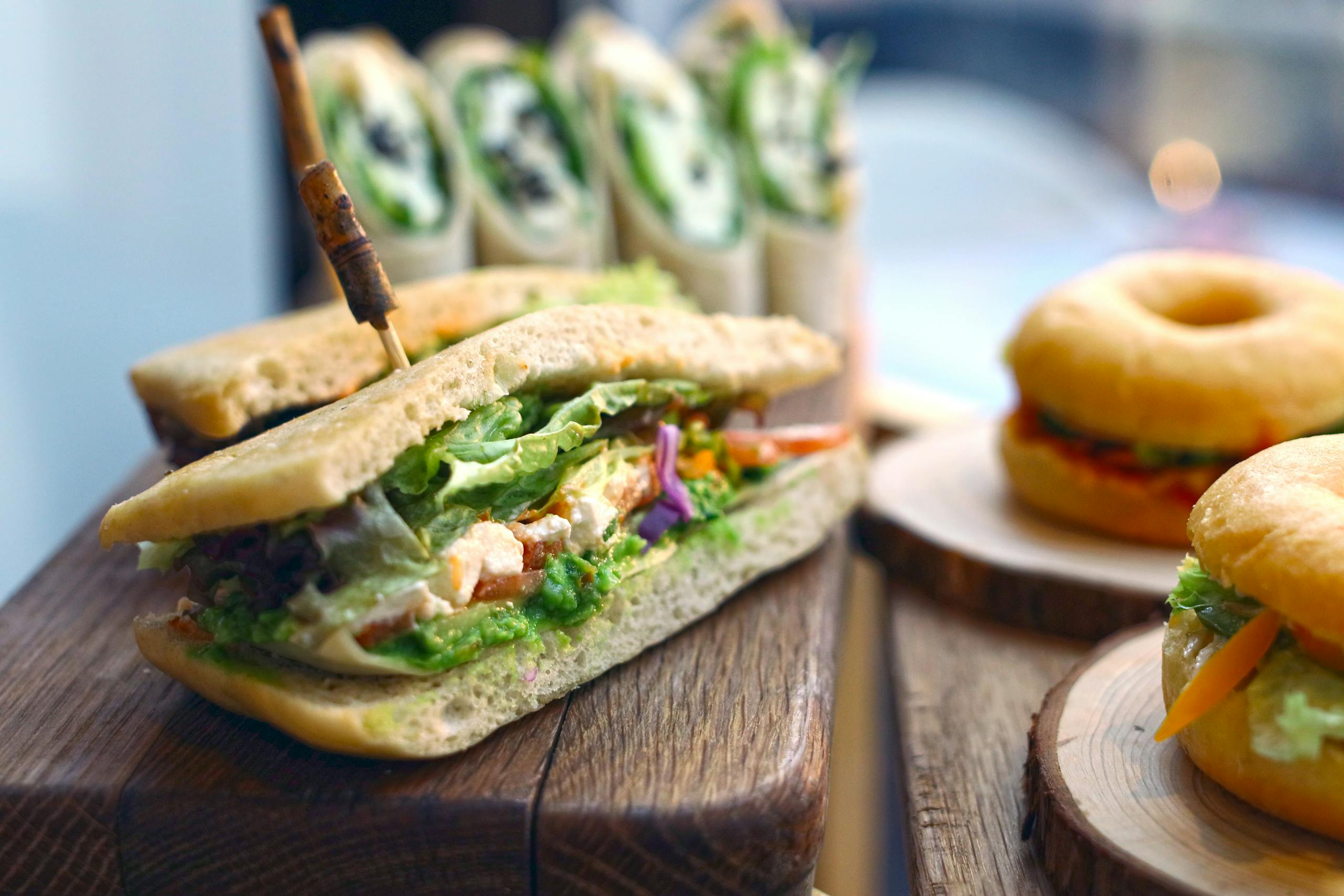
Not every crowd-pleasing dish needs to arrive steaming hot. In fact, some of the most welcome items on a full table are the ones that can sit comfortably at room temperature. Salads, charcuterie boards, fruit platters, cold pasta dishes, spreads, dips, cookies, and other no-bake desserts take the pressure off the oven and add variety to the meal. The source specifically points to salads, dips, fruit, pastries, and charcuterie as strong choices when oven space is limited.
There is also something visually generous about these foods. A well-built grazing board or vibrant salad makes the table feel abundant without making the cook sweat. They fill out the menu, satisfy different tastes, and give guests something to enjoy while the hot foods finish. That means less waiting, less crowding in the kitchen, and fewer people asking the question every host secretly dreads: “Is it almost ready?”
Master the Art of Staggered Cooking
When oven space is tight, timing becomes your secret weapon. The article suggests rotating dishes, staggering baking times, and reheating sides just before serving, rather than forcing everything into the oven at once. This kind of sequencing keeps food moving without turning the oven into a puzzle game with too many pieces.
A staggered plan works best when you know which foods hold well and which need a fresh finish. Main dishes may need prime oven time first, while sides can be warmed later or held elsewhere. Using a meat thermometer also reduces unnecessary door openings, helping food cook more evenly and keeping the schedule from slipping. Small habits like these may sound ordinary, but in a crowded kitchen, they feel like pure magic.
Make Serving Easy on Yourself
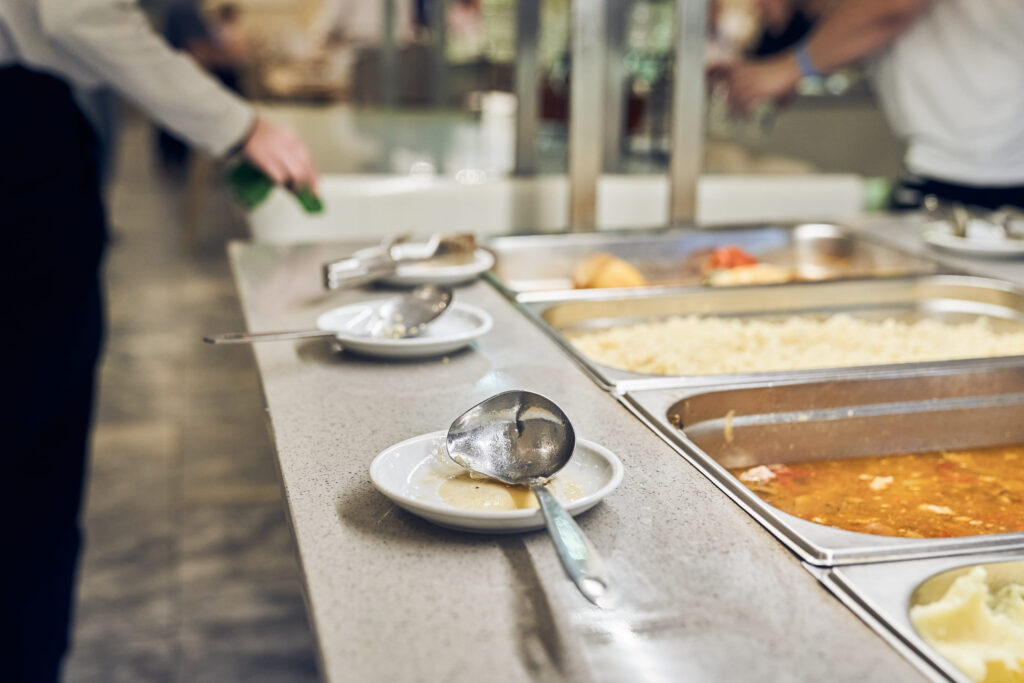
A crowded meal is not won at the stove alone. Serving matters and smart presentation can reduce last-minute chaos. The source article recommends arranging food so guests can help themselves, using large serving utensils, labeling dishes, and keeping extra plates and cutlery nearby. These details may seem small, but they remove friction at exactly the moment when everyone is hungry, and the kitchen is hottest.
Self-serve setups are especially powerful when your oven is limited, as they take the pressure off perfect synchronization. People can begin with salad, fruit, or appetizers while hot dishes make their final entrance. The meal feels generous, the table looks inviting, and you get breathing room instead of a frantic five-minute sprint. Hosting gets easier when the food flow works with you rather than against you.
The Goal Is Not a Bigger Oven, It Is a Better Strategy
People often think the problem is the size of the appliance. Most of the time, the real issue is giving the oven too many responsibilities. A successful crowd meal comes from planning a menu with range, using every available appliance wisely, preparing key items ahead, and embracing dishes that do not need heat at all. That is the difference between a kitchen bottleneck and a kitchen rhythm.