If you’ve noticed more snakes slithering through your lawn or garden, it might not be a random visitor. Certain everyday landscaping and yard habits can unintentionally create the perfect environment for snakes to settle in. Snakes are drawn to places that offer easy shelter, abundant food, and ideal conditions for hiding or hunting. By understanding and correcting these common mistakes, you can discourage snakes from making themselves at home in your outdoor spaces. Here are ten expanded points based on expert advice about what attracts snakes and why you should avoid these pitfalls.
Keeping Your Grass Too Tall
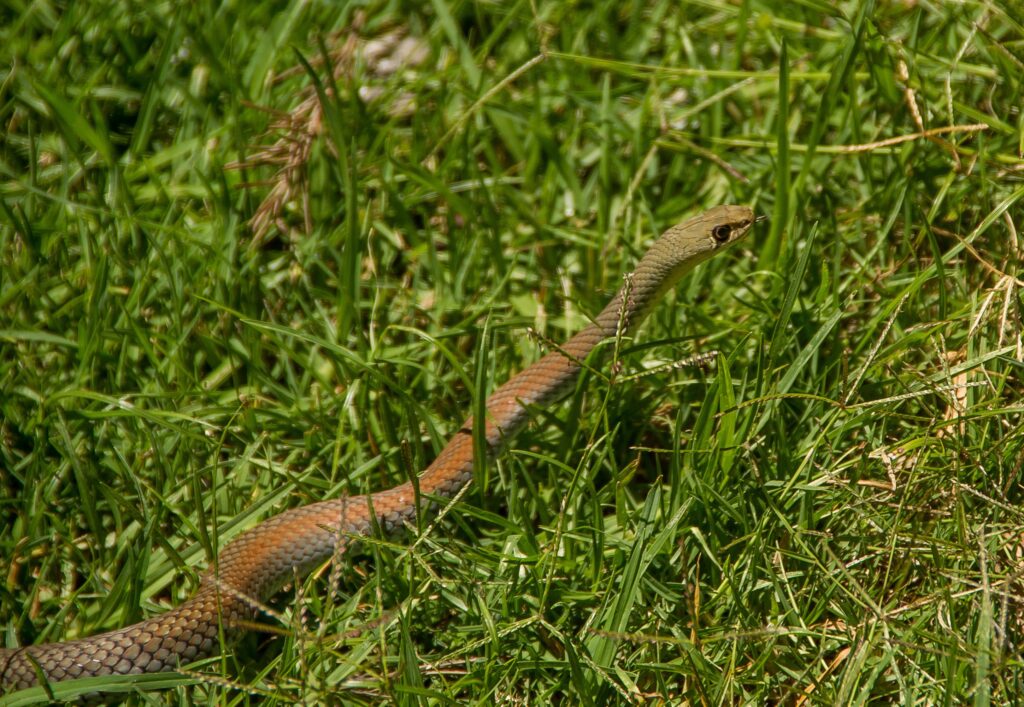
Tall grass acts like a secret hiding corridor for snakes. Snakes prefer long grass because it provides cover from birds and other predators while allowing them to move unseen. When grass is long and unmanaged, snakes can also more easily sneak up on their prey without being exposed. Maintaining a regularly mowed lawn makes your yard less appealing to snakes and exposes them to potential predators, reducing the chances they will stay around.
Neglecting Regular Yard Maintenance
Simply put, a neglected yard with weeds, leaf piles, and unattended corners is much more inviting to snakes than a well-kept one. Regular maintenance ensures there are fewer nooks and crannies for snakes to exploit and reduces the overall habitat that supports both snakes and their prey. Keeping your outdoor space tidy also makes it easier for you to spot potential snake activity early.
Leaving Piles of Debris Around

Stacks of wood, loose branches, and random debris are like built‑in dens for snakes. These structures provide cool, damp shelter where snakes can rest during hot weather and avoid predators. If wood piles or clutter remain untouched for weeks or months, they become ideal hideouts. Clearing out and properly storing or removing debris significantly reduces the potential for these snake shelters.
Allowing Rodent or Pest Infestations
Snakes are predators that follow their food. A yard with mice, rats, or other small animals is like a buffet that keeps snakes coming back. Rodents thrive around compost, unsealed trash bins, or piles of leaves. By controlling rodent populations with secure bins, traps, and professional pest management, you eliminate the food source that attracts snakes in the first place.
Feeding Pets Outside

Leaving pet food out in the yard seems harmless, but it draws rodents looking for an easy meal. Once rodents take up residence, snakes are likely to follow since they feed on these small mammals. Feeding pets indoors and immediately cleaning up any leftovers outside prevents unwelcome visitors by denying rodents (and thus snakes) a food incentive.
Overwatering Your Lawn
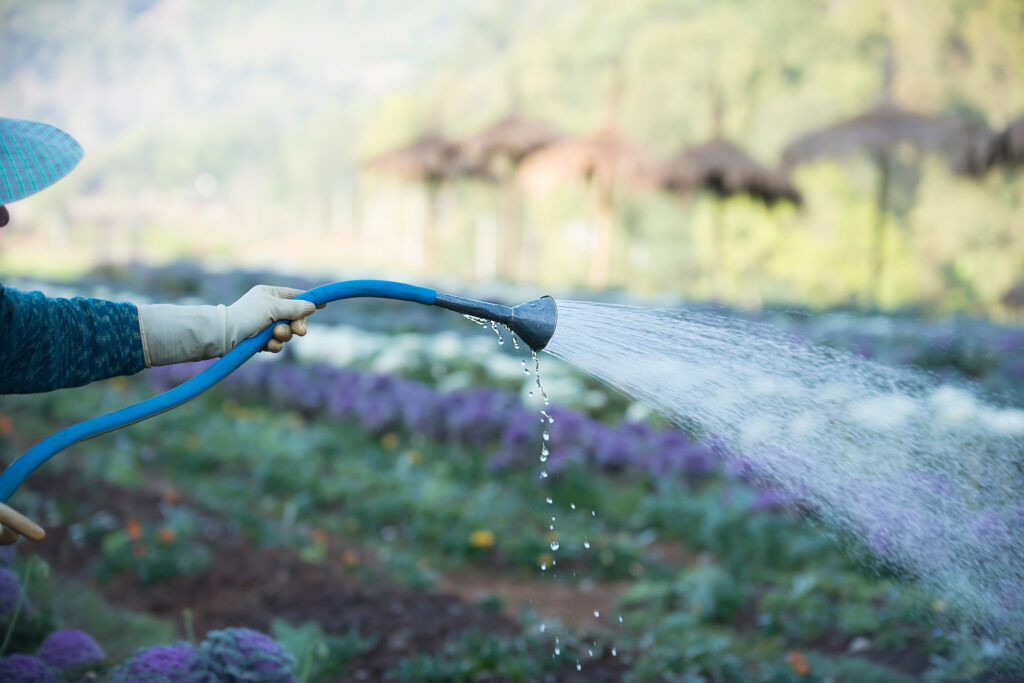
A lush, moist lawn might look healthy, but excess water attracts worms, slugs, frogs, and other small creatures that snakes feed on. Overwatering creates a moist, inviting habitat for these prey species, which, in turn, attracts snakes into your yard. Water your lawn only as much as necessary and avoid leaving puddles or soggy patches that could draw both prey and predators.
Growing Dense Ground Cover or Thick Shrubs
Snakes favor areas with heavy ground cover where they can hide and stalk prey unnoticed. Dense shrubs or ground‑hugging plants can create a continuous cover that snakes can use to travel through your yard without being seen. Opt for trimmed, well‑spaced plants and avoid overly thick foliage that creates continuous hiding places.
Not Sealing Entry Points Around Structures
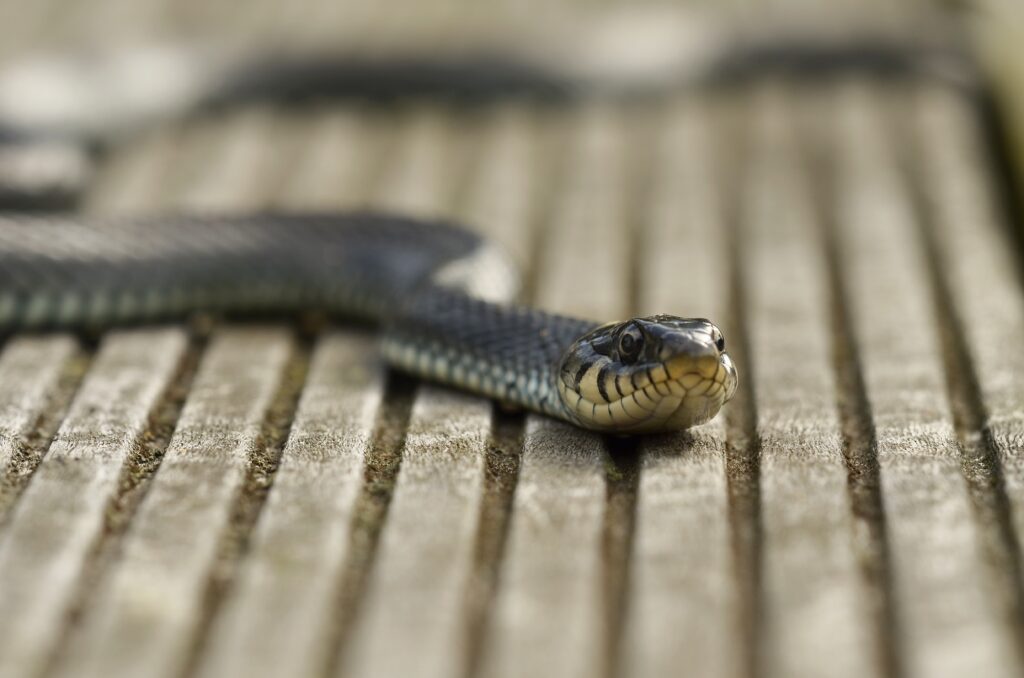
Snakes don’t always stay outside. Cracks, gaps, and openings around sheds, crawlspaces, and foundations offer easy access into buildings where they can find warmth and dry shelter. Sealing these potential entry points with appropriate caulking or mesh helps keep snakes out of structures and discourages them from exploring your property.
Retaining Rock Walls or Landscape Features With Voids
Rock walls, retaining edges, stacked stones, and similar features often have small crevices and voids that snakes see as ideal resting spots. These cool, shaded gaps provide perfect daytime refuge and can quickly become favored snake hangouts. Filling in gaps and redesigning landscape features to be less hospitable makes it far less likely that snakes will stick around.
Not Removing Overripe Fruits or Vegetation
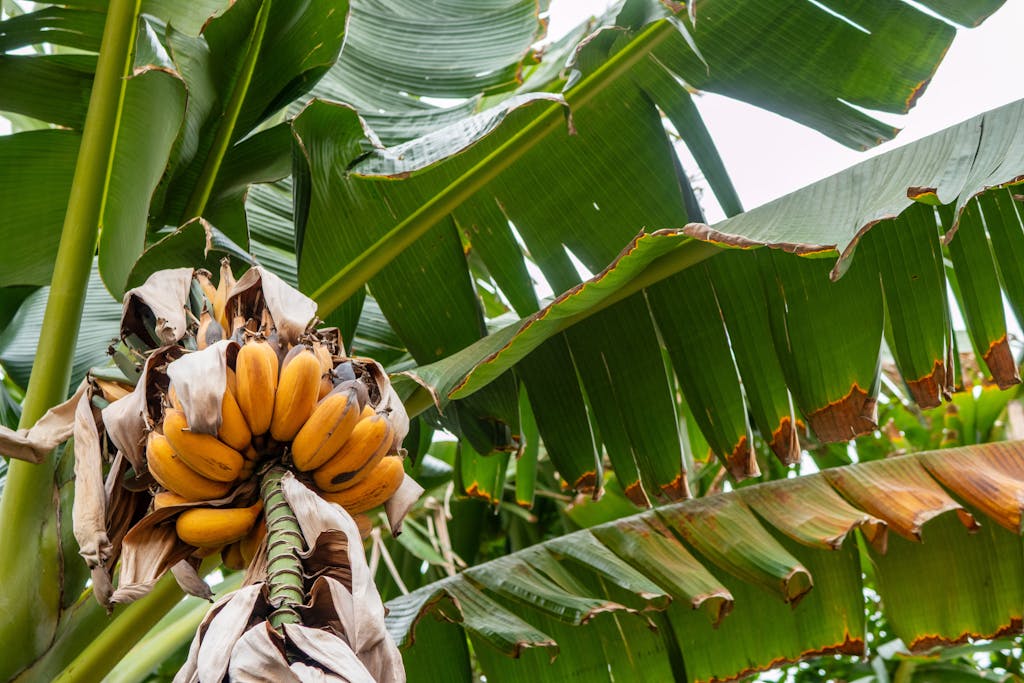
Fallen fruit and plants in your garden attract a wide range of insects and small animals, which in turn attract snakes looking for a meal. Overripe or rotting fruits are particularly enticing to snakes because of the abundance of insects. Regularly picking fruit, cutting back overgrown vegetation, and removing decaying plant matter can eliminate a key attractant for snakes.
Conclusion
Snakes are a natural part of many ecosystems, but that doesn’t mean they need to invade your yard. Simple, consistent yard management practices can discourage snakes from making your outdoor space their home. By focusing on preventing common issues like overgrown grass, debris, rodent infestations, and poor yard maintenance, you can reduce the risk of encountering snakes on your property. Regularly inspect your yard, remove unnecessary clutter, and ensure your home is sealed to keep unwanted wildlife out, creating a safer environment for you and your family. By making these small changes, you can enjoy your outdoor spaces without worrying about snakes setting up shop nearby.