Ground cover flowers are planted to fill bare soil, suppress weeds, and bring vibrant color to gardens quickly without constant attention. Some varieties live up to this promise by spreading rapidly and offering beautiful blooms with minimal fuss. Choosing the right ground cover can help transform empty patches of soil into lush floral carpets that attract pollinators and improve curb appeal.
However, not all plants marketed as fast-growing actually deliver on that promise. Some require more care than expected, some spread aggressively beyond control, and others become invasive if not properly managed. Below you’ll find an expanded list of 10 ground cover flowers commonly recommended for their rapid spread and beautiful blooms, but with a reality check on what you really need to know before planting them in your outdoor space.
Moss Rose
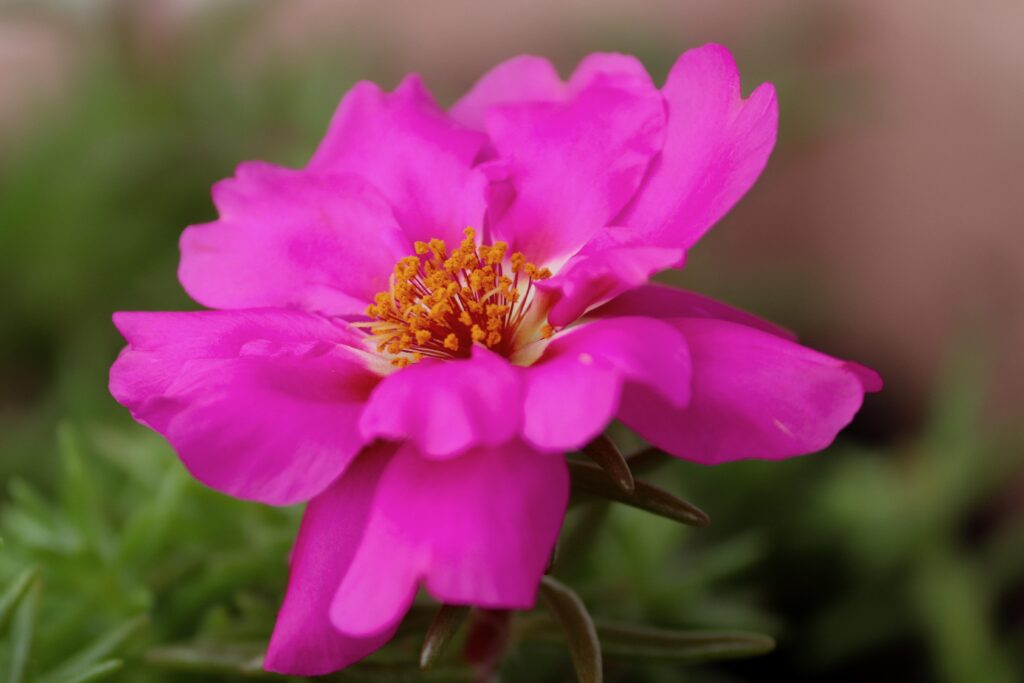
This succulent ground cover thrives in full sun and dry, sandy soil, and produces vividly colored blossoms that instantly brighten a garden. Moss rose forms low mats that expand quickly in warm weather, making it ideal for rock gardens, borders, and sunny patches where ordinary grass struggles to grow. Though it appears hardy, it actually needs regular watering to stay vibrant during prolonged heat, and it won’t truly thrive without well‑draining soil.
Sweet Alyssum
Sweet alyssum is prized for its clusters of tiny, delicate flowers in shades of white, pink, and purple. It fills gaps in garden beds with a soft carpet of blooms that attract beneficial insects, such as bees and ladybugs. This plant is fast to establish from seed or seedlings, but full sun and evenly moist soil are key to its best performance. In some climates, sweet alyssum can spread beyond its designated space, making it harder to manage.
Forget‑Me‑Nots
With charming blue blooms, forget‑me‑nots can spread rapidly and fill shaded areas under trees or along pathways. Their cheerful clusters make it easy to cover bare spots, but they are prolific self‑seeders. If you don’t deadhead them regularly, forget‑me‑nots can reseed themselves into places where you don’t want them, effectively coming back stronger each year and potentially competing with other garden plants.
Fleabane
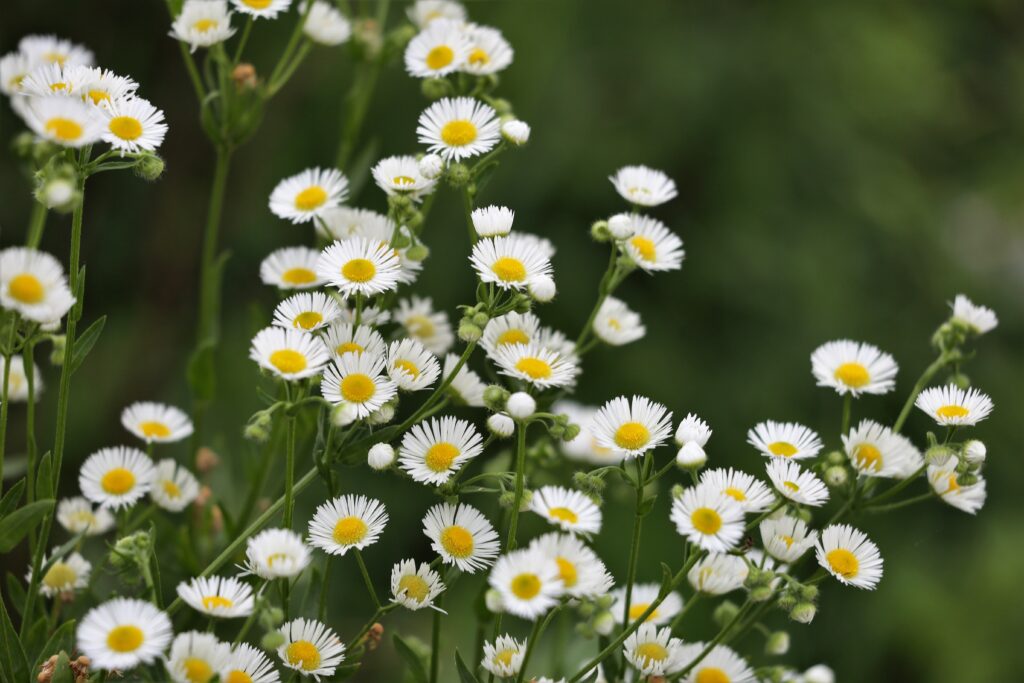
Fleabane plants produce daisy‑like flowers in a range of soft colors that add airy texture to garden borders. They can spread fast in sunny, well‑drained sites, making them a go‑to option for gardeners who want a natural look with minimal planting effort. Fleabane is also drought-tolerant once established, but it doesn’t form a dense mat as quickly as some ground covers, so patience is required before it completely fills a space.
Evergreen Candytuft
Evergreen candytuft is a perennial with striking white blooms that hug the ground and brighten up rock gardens and sunny borders. It tolerates frost and prefers well‑drained soil, making it suitable for a range of climates. Though its flowers are eye‑catching, candytuft’s coverage spreads moderately, not explosively, so it may take multiple seasons before it blankets a large planting area.
Catmint
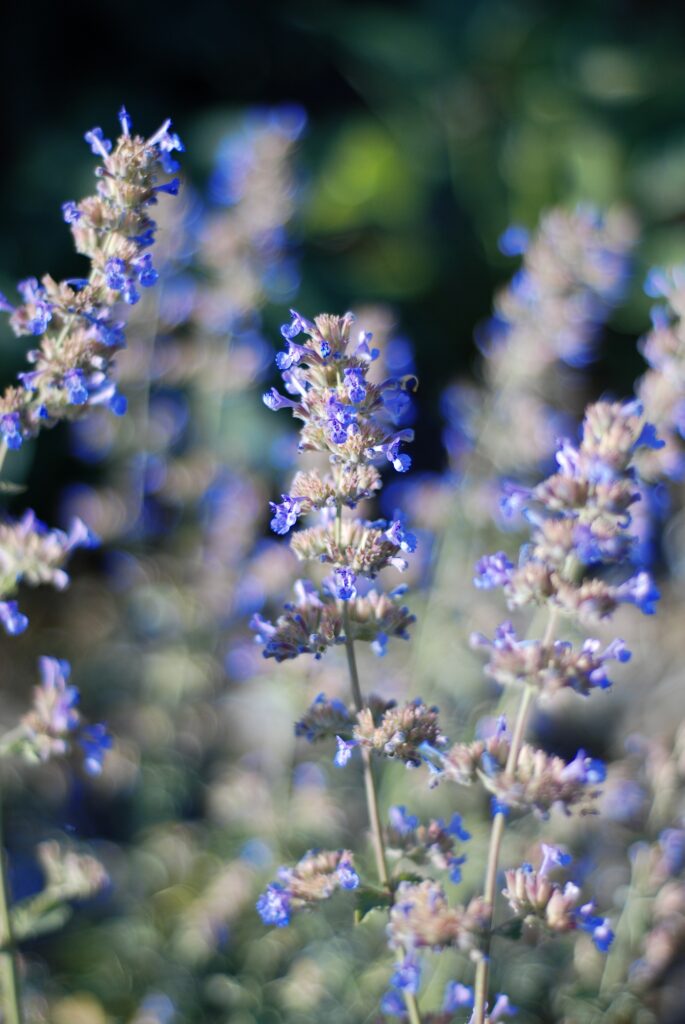
Catmint offers a host of graceful, aromatic flowers in shades of lavender and soft purple that pollinators adore. It spreads quickly under the right conditions, gracefully filling in around shrubs and pathways. Its herbal scent and drought tolerance make it appealing, but this plant can become lanky or overgrown without regular trimming, so light maintenance is key to keeping its appearance tidy.
Wall Germander
Wall germander is a resilient evergreen ground cover with small tubular flowers that bring subtle color to garden beds. It thrives in full sun and adapts to dry soil, forming an attractive, low carpet. Although it spreads and fills space well, wall germander doesn’t take over as quickly as some annual options, nor does it provide continuous blooms throughout the growing season. This makes it a slower choice for gardeners seeking instant coverage.
Lobelia
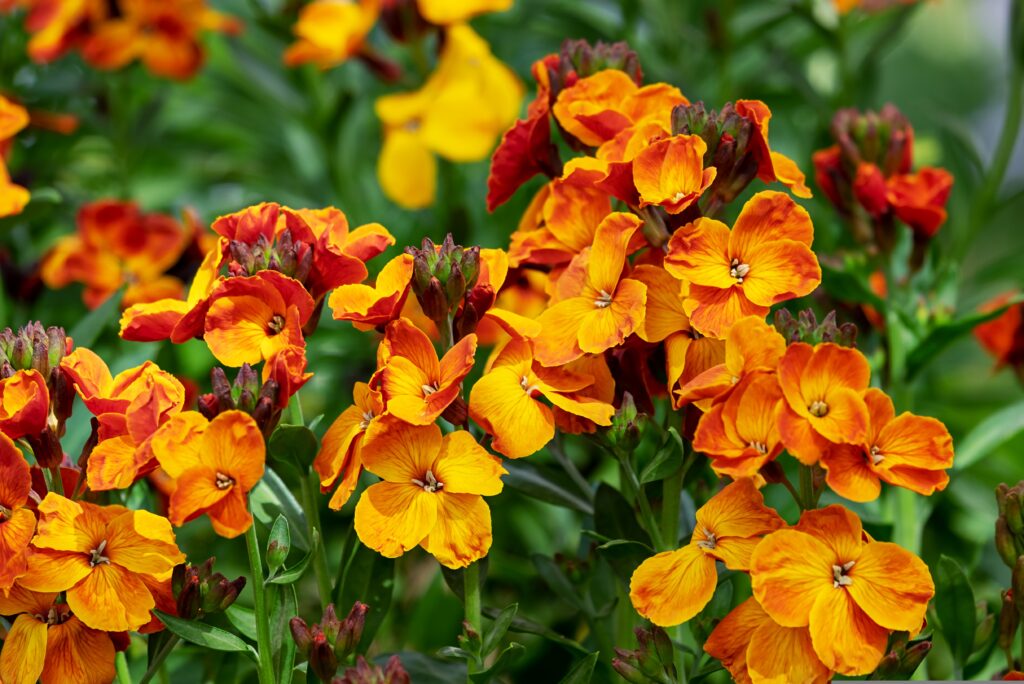
Well‑known for its bold blue blossoms, lobelia is often grown as an annual that cascades over edges and flows into bare spaces. It grows vigorously in full or partial sun when well watered, giving a dramatic splash of color quickly. However, lobelia can struggle in hot, dry conditions and may require frequent watering and deadheading to keep it looking its best, which means more effort than many gardeners expect from a “set‑and‑forget” plant.
Sweet Woodruff
This shade‑loving ground cover delights with tiny white flowers and rich green foliage. It’s known for being resilient in low‑light conditions and for its ability to spill out over walkways and stone edges. While it can spread quickly, sweet woodruff needs careful watering; watering only during dry periods keeps it in check. Otherwise, it will expand into areas where its fragrant foliage may not be wanted.
Creeping Phlox
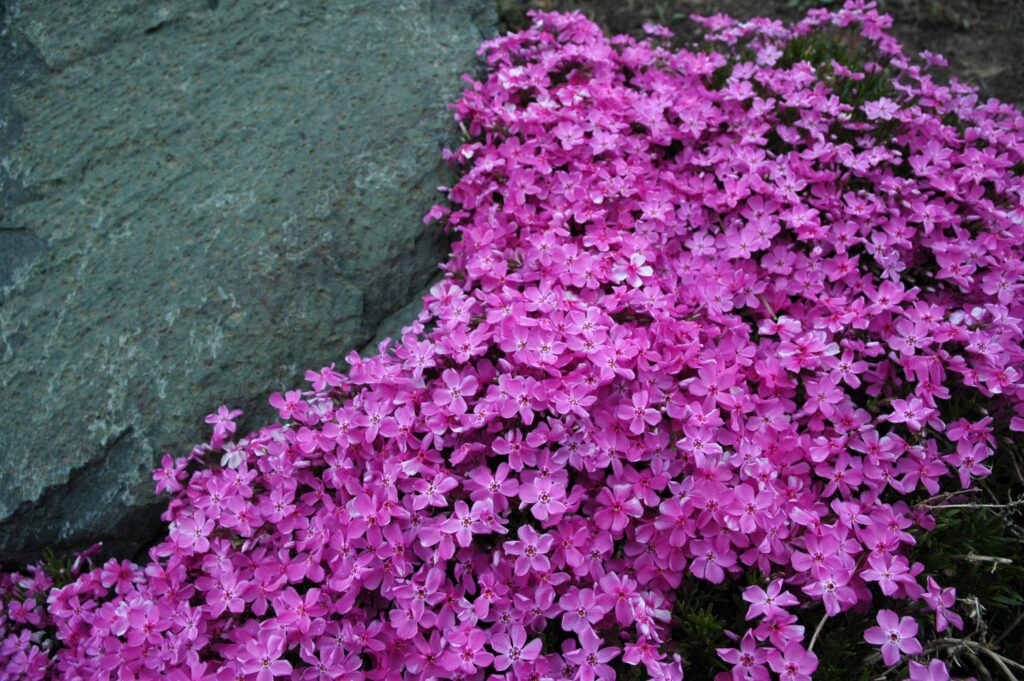
Though often included in lists of spring ground covers, creeping phlox is a perennial that spreads into a dense mat of evergreen foliage adorned with pastel flowers. It works beautifully along slopes, rock gardens, and borders where quick coverage is desired. In contrast with the other entries, it often needs spacing and careful placement to prevent it from overrunning adjacent plants, so it will cover ground fast, but sometimes too fast.
Conclusion
Fast‑growing ground cover flowers offer an easy way to inject life and color into bare spots in your garden while suppressing weeds and reducing maintenance. That said, “fast growing” doesn’t always mean effortless, and each plant listed above comes with its own needs and quirks. Some require careful watering, others risk becoming invasive, and a few spread more slowly than gardeners hope. Pick the right ground cover for your soil and light conditions, and be prepared to manage its growth so you can enjoy a beautiful, balanced garden landscape.