This article focuses on small, sustainable habits that help you feel healthier without setting dramatic or overwhelming goals. This approach emphasizes gradual improvements that add up throughout the year, rather than big resolutions that are hard to stick to.
Five Minutes of Deep Breathing Every Day

Stress has become a constant companion for many, and its long-term effects on health are well-documented. But the good news is, you don’t need a 30-minute meditation session to combat it. Five minutes of deep, intentional breathing can work wonders for your mental and emotional state. Focusing on your breath can help reduce cortisol levels (your body’s stress hormone) and improve mood and clarity of thought.
You can do this anywhere at your desk, in the car, or even while waiting for a meeting to start. Breathing exercises don’t just relax you in the moment; they also improve focus and productivity throughout the day, helping you remain calm and centered despite the chaos around you. It only takes a few minutes to recharge your mind and body.
Combine Carbs with Protein or Healthy Fats

The food you eat directly affects your energy levels and ability to stay focused. When you eat just carbs like a sugary snack or a plain bagel, you get an energy spike followed by a crash. By combining carbs with protein or healthy fats, you stabilize blood sugar and prevent those afternoon slumps. This simple trick helps you maintain steady energy levels, improve mental clarity, and reduce cravings for unhealthy snacks later in the day.
For example, try pairing whole-grain toast with avocado and a boiled egg, or enjoy an apple with a spoonful of almond butter. You get the satisfying fullness of carbs and the staying power of protein or healthy fat. This one change will keep you energized throughout your busy day without feeling sluggish or hungry too soon.
Take Short Movement Breaks
With work and life often requiring us to stay seated for long hours, it’s essential to incorporate movement throughout the day. No, you don’t need to commit to an hour-long workout session to feel the benefits. Even a 10-minute walk after meals can do wonders for digestion, circulation, and overall health.
Taking regular breaks to stretch, walk, or just move around can help improve your posture and prevent stiffness, especially if you’re working from home or in an office environment. Not only will it keep your body more comfortable, but it’ll also enhance your focus and energy levels, making it easier to tackle your next task with renewed vigor.
Have a Backup Healthy Meal Ready
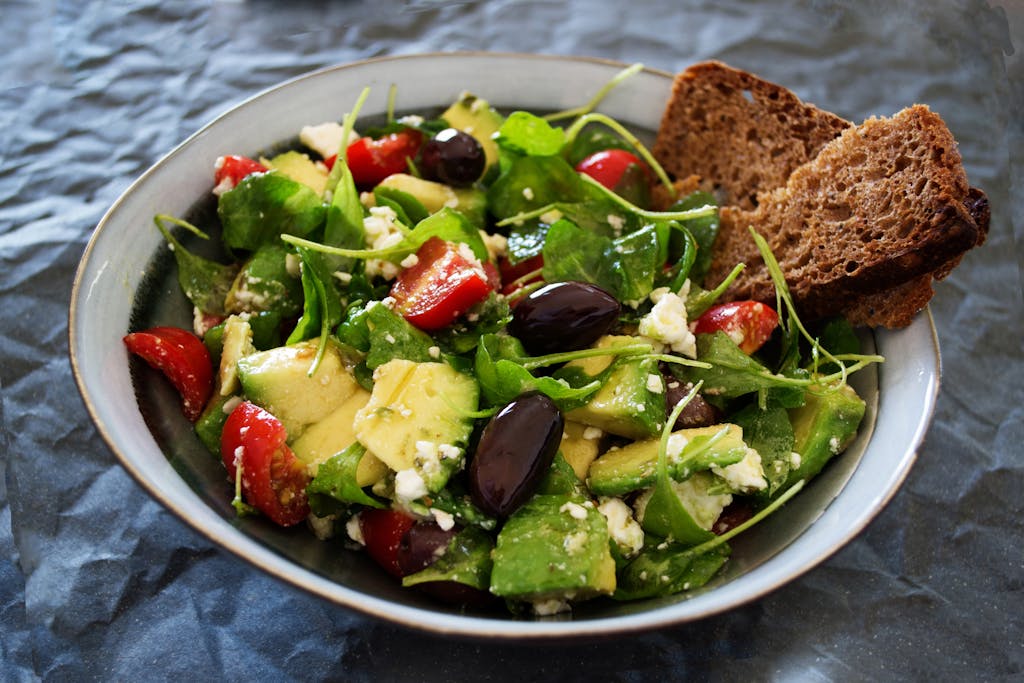
We’ve all been there, hectic days where cooking a full meal feels impossible, leaving you tempted to grab fast food or something quick but unhealthy. To avoid this, make sure you always have a healthy backup meal available. This can be something simple, like a nutritious frozen entrée (think veggie-packed stir-fry or quinoa bowls), a homemade soup you batch-cook on the weekends, or even a salad you’ve prepped earlier in the week.
Having these go-to options on hand prevents the temptation to reach for junk food when you’re short on time. Plus, it removes the stress of figuring out what’s for dinner when you’re exhausted. The backup meal is the key to consistency. You don’t have to compromise your health goals because of a busy schedule.
Practice Self-Compassion
Perhaps one of the most significant yet overlooked changes you can make is shifting your inner dialogue. Instead of berating yourself when things don’t go as planned, practice self-compassion. This can look like saying, “I’m learning” instead of “I failed,” or replacing negative thoughts with affirmations of growth and patience.
Studies show that self-compassion leads to healthier habits, improved mental health, and greater long-term success. It’s not about being perfect; it’s about acknowledging your efforts, forgiving yourself for setbacks, and continuing to move forward. Embracing kindness toward yourself will help you stick to your goals and make healthier decisions without the pressure of unrealistic expectations.
Add More Veggies to Every Meal

One of the simplest yet most powerful changes you can make this year is incorporating more vegetables into your daily meals. Don’t stress about overhauling your entire diet or becoming a veggie-only eater. Instead, aim for incremental increases. Start by adding spinach to your morning smoothie, tossing extra tomatoes or peppers into your sandwich, or sprinkling some leafy greens on top of your pizza.
The key here is not to overwhelm yourself with large portions, but to make vegetables a consistent part of each meal. By making small adjustments like these, you’ll gradually increase your intake of essential vitamins, minerals, and fiber, which are crucial for overall health. This method of “sneaking in veggies” is not only easy but also enjoyable, without requiring drastic changes to what you already eat.
Conclusion
Making lasting changes doesn’t mean setting grand resolutions or achieving perfection. In fact, small, gentle shifts like adding more veggies to your meals, practicing deep breathing, and having a backup healthy meal can have a compounding effect on your health and well-being. These modest adjustments don’t require drastic sacrifices, but they can lead to sustainable habits that improve your life in the long run.