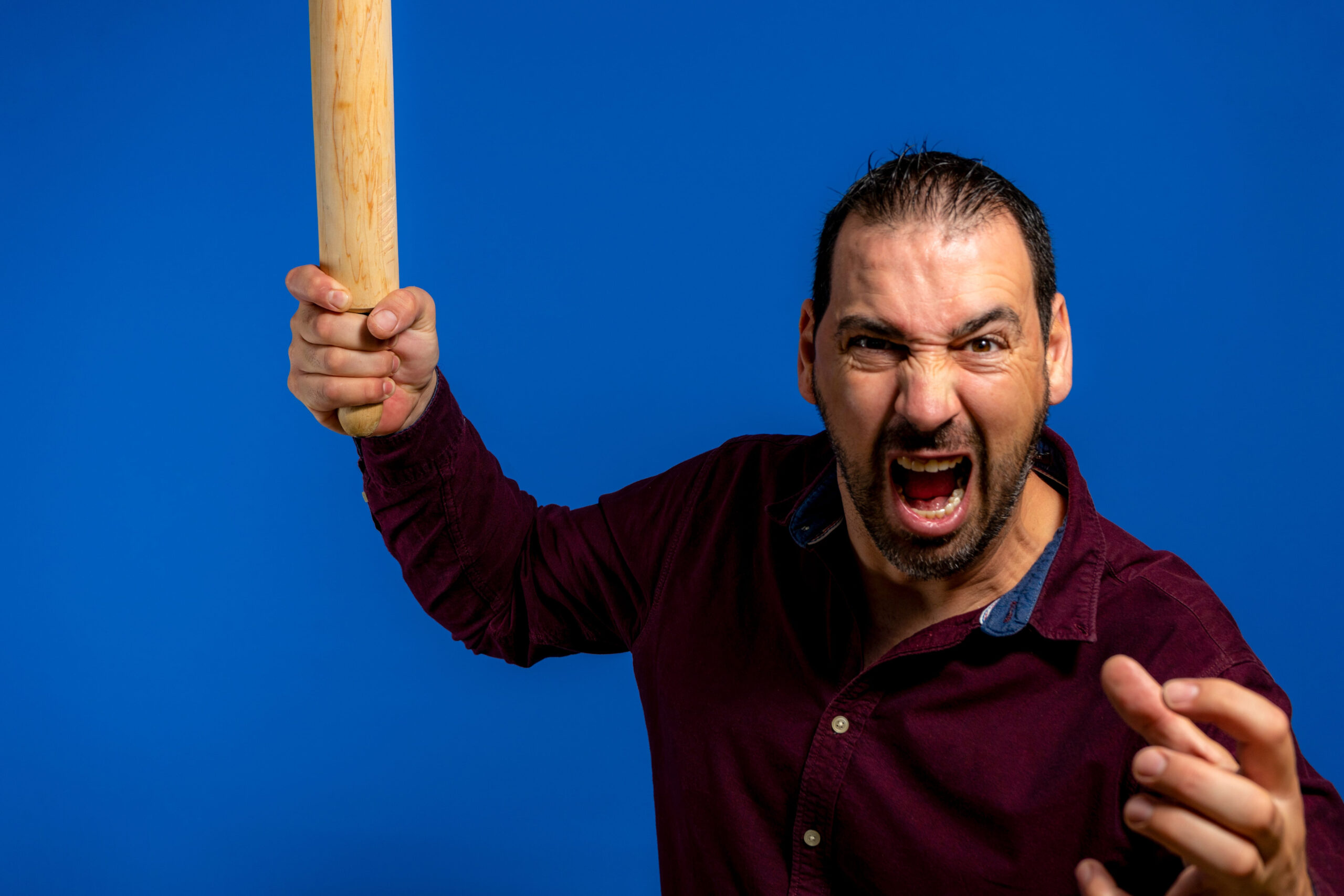
Beauty has always been a moving target. One decade tells you to hide something, and the next turns around and calls that same thing iconic. Trends shift, culture loosens up, and suddenly the traits people once tried to fix, flatten, cover, or apologize for start getting praised for their character.
The Frenz Hub piece highlights 12 examples of that flip, from curly hair to dad bods, showing just how dramatically public taste can change. And in at least one case, tanning, the “attractive” label still comes with real health risks, because modern appeal does not cancel out what dermatologists say about UV damage.
Curly hair
Curly hair used to be treated like a problem that needed discipline. People reached for flat irons, heavy gels, and every trick they could think of to make it behave like straight hair. Now that same texture reads as bold, lively, and full of personality. Curls do not whisper.
They walk into a room first and make the whole face more memorable. What was once labeled “too much” now feels expressive, modern, and effortlessly cool.
Glasses
There was a time when glasses got shoved into the “awkward” category, as if clear vision somehow ruined the whole fantasy.
Those days did not just fade; they got roasted by fashion itself. Frames now work like jewelry for the face, adding structure, mood, and a little mystery. A sharp pair of glasses can make someone look stylish, intelligent, and self-assured in one breath. What used to get kids teased in school is now part of the look.
Freckles
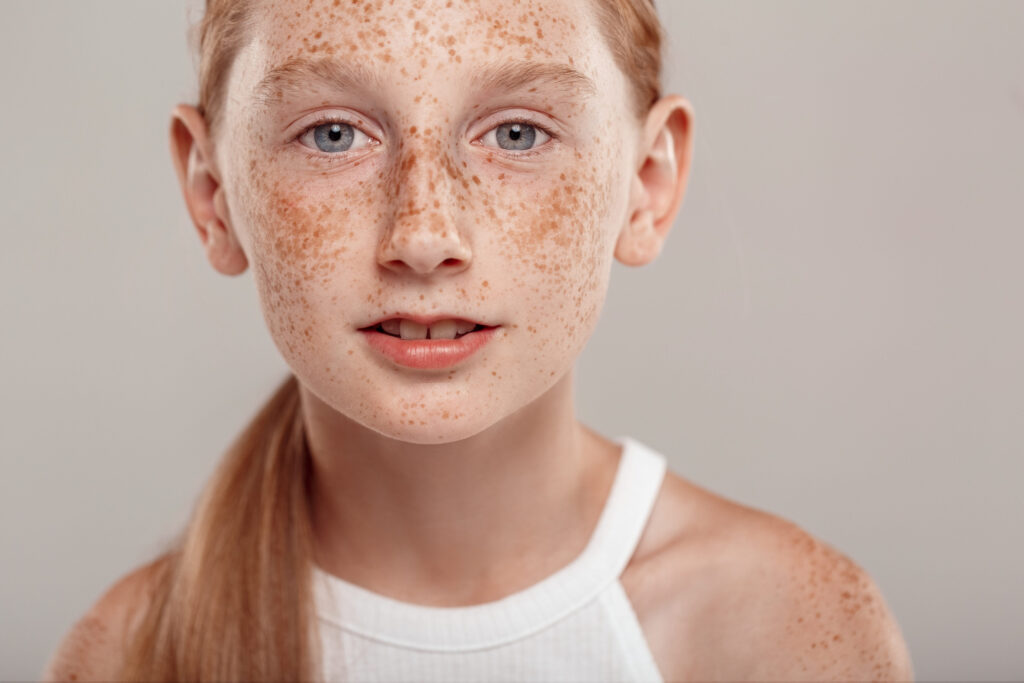
Freckles used to be treated like flaws you were supposed to blur, cover, or wish away. Then culture finally caught up and realized they add softness, warmth, and uniqueness to a face. These tiny marks do something perfection never could.
They make beauty feel real. The shift has become so strong that some people even create faux freckles to copy what others once tried to hide. That says everything about how completely the script has changed.
Tanned skin
A tan became shorthand for glow, leisure, and that “I just got back from somewhere expensive” energy. For years, the bronzed look has been sold as healthy and attractive, even though the science on UV exposure paints a much more serious picture.
The American Academy of Dermatology says UV radiation is a leading cause of skin cancer and warns that indoor tanning increases the risk of melanoma and other skin cancers. So yes, the tanned look may have climbed the beauty ladder, but it comes with a hard reality check. Sometimes what society calls attractive isn’t the same as what is actually good for you.
Beards
Beards used to get linked with laziness, roughness, or poor grooming. Now they often signal confidence, maturity, and style. A good beard can sharpen a jawline, add character, and make a man look more grounded in himself.
It tells the world he is comfortable taking up space. Clean-shaven still has its charm, of course, but facial hair is no longer the social warning sign it once was. It has become part of the attraction, not a distraction from it.
Tattoos
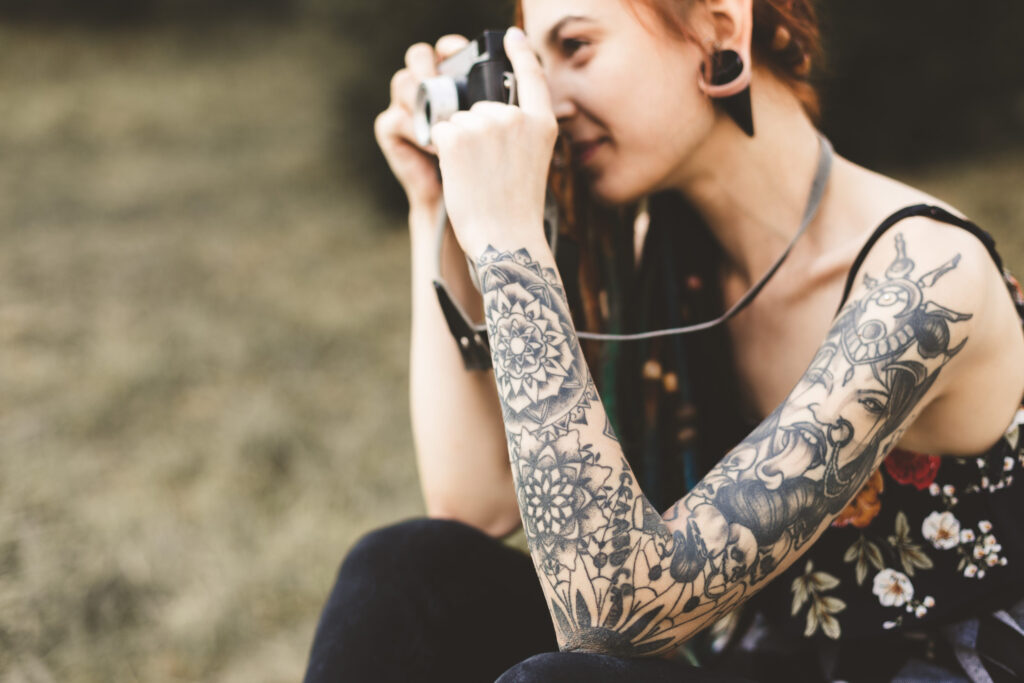
Tattoos may be one of the clearest examples of a full cultural turnaround. What used to be read as rebellious, risky, or unprofessional has become mainstream self-expression.
Pew Research Center found that 32% of U.S. adults have at least one tattoo, and a large majority say society has become more accepting of tattooed people in recent decades. That matters because it shows the shift is not just aesthetic, it is social too. Tattoos are now often seen as personal, meaningful, stylish, and deeply human.
Bald heads
For years, baldness has been framed as something to fight, hide, or joke about. Then, confident bald men completely changed the mood. A shaved head can look strong, polished, and commanding in a way that feels intentional rather than lacking.
It strips away fuss and leaves presence. Instead of reading as loss, it can be read as power. Sometimes attraction has less to do with hair and more to do with how unapologetically someone wears their face.
Thick eyebrows

Thin brows once ruled beauty culture so hard that people overplucked with the devotion of a full-time job. Now, thicker brows are prized for framing the eyes, creating balance, and feeling fresh and natural. They bring strength to a face without making it look harsh.
The comeback of fuller brows says something bigger, too. People have grown tired of overdone beauty and started craving features that look alive, expressive, and less manufactured. What used to seem “too heavy” now looks confident.
Curves
Beauty standards around body shape have always been restless, and women have paid the price for that indecision. Curves were dismissed in some eras and adored in others, which proves how unreliable these rules have always been.
Today, fuller, softer body types are far more likely to be celebrated openly in pop culture and fashion than they once were. The appeal is not just visual. Curves often symbolize confidence, sensuality, and comfort in one’s own skin. The bigger shift is that people are slowly learning that beauty does not come in one approved silhouette.
Scars
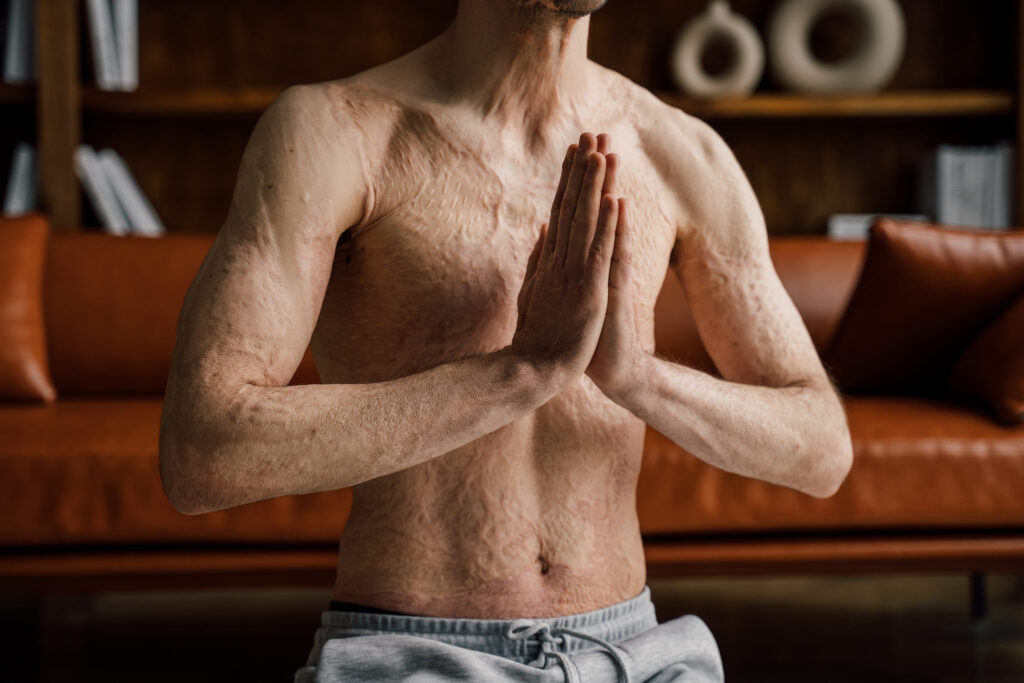
Scars used to be seen as imperfections that interrupted the fantasy of flawless skin. Now, many people read them differently.
A scar can carry survival, memory, grief, growth, or simply proof that life actually happened. It adds a story where Polish would have added silence. That does not mean everyone loves their scars every day, but public perception has softened enough to make room for them as something more than damage. In many eyes now, they register as strength made visible.