Gardening should be a peaceful, rewarding hobby, but the wrong tools can turn it into a nightmare.
What many gardeners don’t realize is that some commonly used tools they think are indispensable are actually causing more harm than good.
From damaging plants to injuring your body, these tools can be your garden’s worst enemies.
Let’s dive into the harsh reality about 15 tools you may be using and why they could be doing more harm than good.
Watering Tools
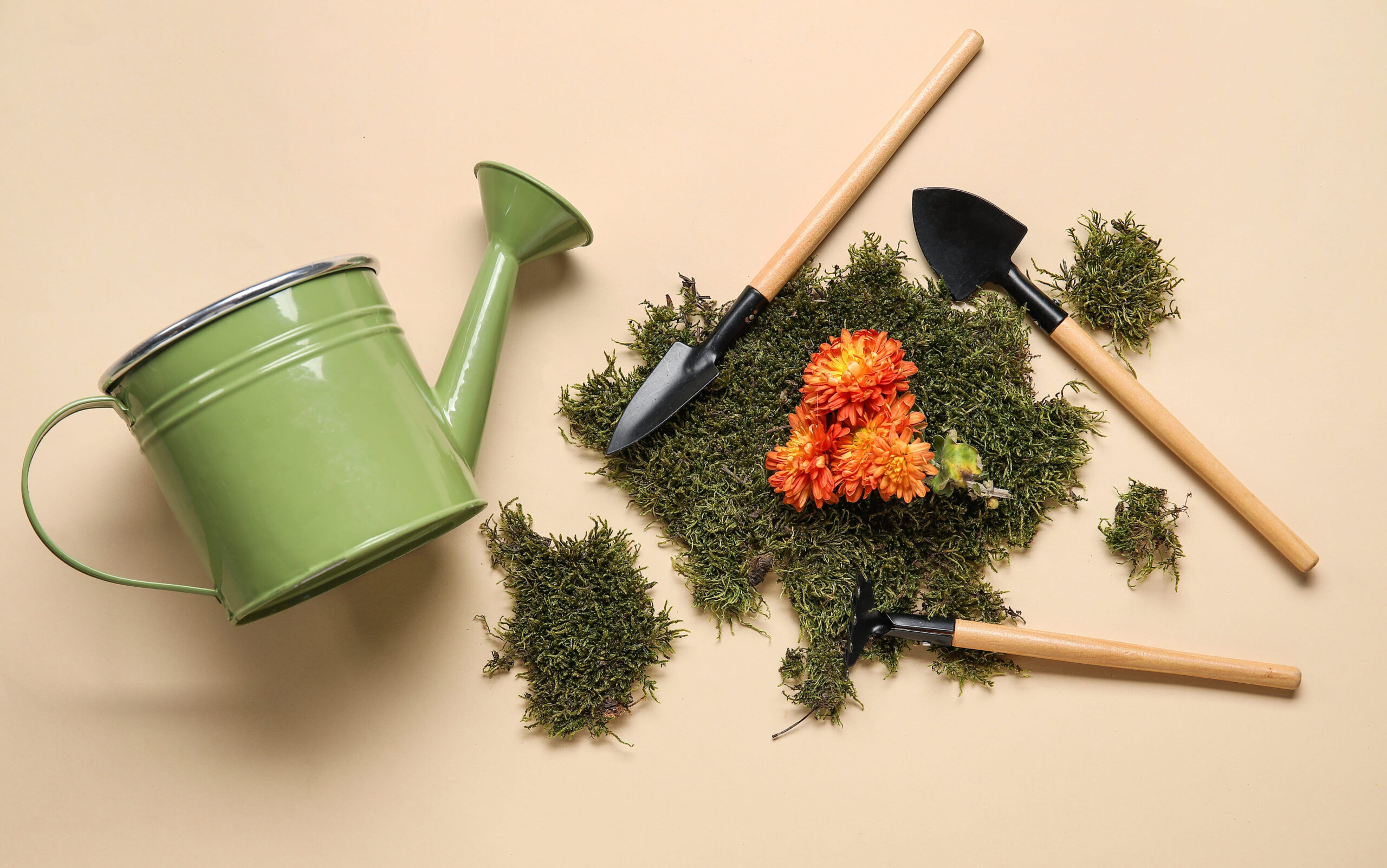
Watering might seem like an obvious task, but using the wrong tools can wreak havoc on your garden. High-pressure hoses can wash away precious topsoil, while poorly designed watering cans fail to deliver the right amount of water, leaving your plants either too dry or too wet.
Inconsistent watering from these tools can lead to root rot, nutrient loss, and stunted plant growth. Don’t be fooled into watering properly, and invest in the right tools that target the root system without wasting water.
Shovels and Spades
The shovel and spade are basic garden tools, but they often cause severe soil compaction. A shovel’s rounded blade disrupts soil structure, suffocating roots and hindering drainage.
A spade’s flat edge, though good for cutting through tough soil, can harm delicate roots and limit growth. Used incorrectly, these standard tools quickly create a hostile environment for plants.
Pruners
Pruning is essential for plant health, but using unsuitable pruners or pruning excessively can do lasting harm. Dull or cheap pruners leave jagged cuts that invite pests and disease. Over-pruning weakens plants and stunts growth. Be mindful not to cut too much to protect the plants you care for.
Rakes
Rakes are sold as a must-have for clearing garden debris, but when overused, they can cause serious harm. Raking wet soil or compacted earth is one of the quickest ways to destroy your garden’s ecosystem.
Not only does it compact the soil, but it can also disturb your plants’ delicate root systems, preventing them from growing. Raking too aggressively can strip away mulch, and without it, your soil will lose its vital nutrients. It’s time to rethink your raking habits if you want healthy soil.
Trowels
Trowels are handy for small tasks but can cause problems if overused. Frequent use in one spot compacts soil, damaging roots and limiting growth. Working in tight spaces with a trowel raises the risk of repetitive strain injuries. Even a seemingly harmless tool can sometimes set your garden back.
Garden Forks

A garden fork breaks up tough soil but can easily tear roots if used carelessly. While ideal for aeration, improper use can create uneven ground and damage plants. The fork may cause drainage issues and unhealthy growth. Use garden forks sparingly and with care.
Hoes
Hoing is often considered an efficient way to remove weeds, but it can lead to even more trouble. When you slice through weeds with a hoe, you may be cutting their roots into smaller pieces, which can sprout new plants throughout your garden.
In fact, it may make your weed problem worse in the long run. Overusing the hoe can also damage nearby plants, creating more work for you down the road. Use this tool carefully and only when necessary.
Compost Bins
Composting is a better way to recycle organic waste, but if you don’t maintain your compost bin properly, it can quickly become more trouble than it’s worth. An unbalanced compost bin can attract pests and emit foul odors, making your garden unpleasant to work in.
Without proper monitoring, your compost can become too wet or too dry, slowing down decomposition and preventing the creation of nutrient-rich soil. Keep your compost bin in check to avoid turning it into a stinky, ineffective mess.
Garden Gloves
Garden gloves are important for protecting your hands, but the wrong pair can hinder your gardening efficiency. Gloves that are too thick or poorly fitted limit your dexterity, making it harder to handle delicate plants or tools.
Breathable gloves can also trap moisture, leading to sweaty,irritated hands and potential fungal infections. A good pair of gloves is crucial, but ensure they provide both protection and flexibility to avoid limiting your gardening success.
Wheelbarrows
Wheelbarrows are essential for transporting heavy materials, but they come with a hidden risk. Overloading your wheelbarrow can cause strain on your back, shoulders, and arms. An unbalanced load can make it harder to maneuver and may even damage your wheelbarrow. Properly distribute the load to avoid injury, and don’t exceed its weight limit. Your back will thank you.
Garden Carts
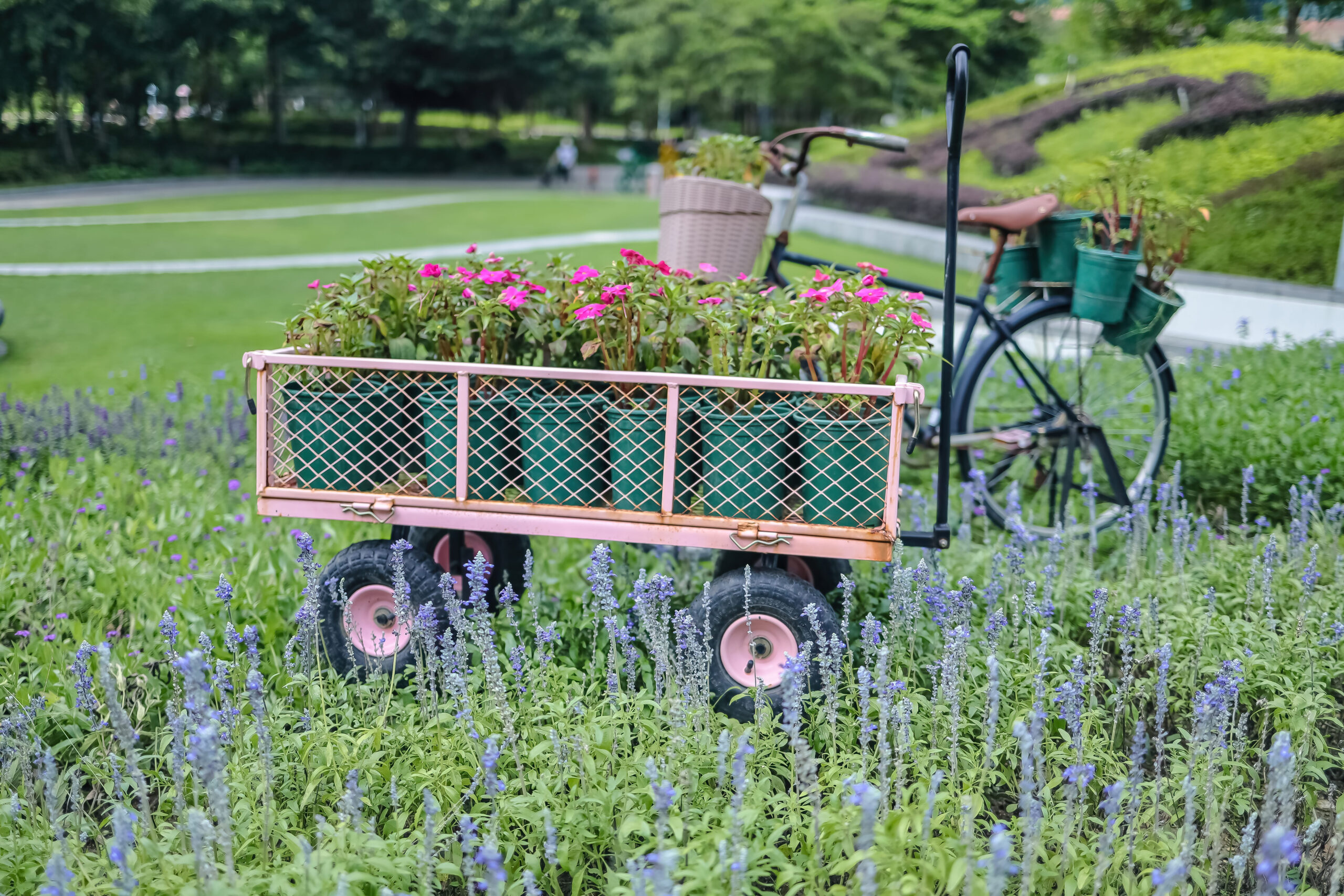
Much like wheelbarrows, garden carts are designed to help you move large loads, but overloading them can cause more harm than good. Trying to push a cart loaded with too much weight can result in injury, as the cart becomes difficult to push or maneuver.
This can lead to strain and frustration, ultimately slowing down your gardening efforts. Be sure to load your garden cart within its weight limits to avoid making a simple task unnecessarily difficult.
Stakes and Supports
Stakes, cages, and trellises are crucial for supporting climbing plants, but overuse can weaken your plants. Over-tightening ties or using excessive support can stunt growth, leaving plants unable to develop the strength they need.
By artificially supporting plants too much, you’re preventing them from developing strong, natural resilience to wind and other environmental conditions. Support should help, not hinder, your plants’ growth.
Garden Knives
Garden knives, such as the versatile hori-hori knife, are popular for their ability to handle a wide range of tasks. However, relying too heavily on one knife can limit your ability to work efficiently.
The serrated edge is excellent for cutting through roots, but it’s not suited for everything. Overusing the same knife can quickly wear it down, leaving you with a blunt tool that’s no longer effective for gardening.
Soil Testers
Soil testers are great for analyzing pH and nutrient levels, but they can lead to an unhealthy obsession with numbers. Constantly testing your soil can lead to overcorrection, as you may end up adding unnecessary amendments that disrupt your soil’s balance.
Instead of relying solely on data, take a holistic approach to soil care by considering plant health, environmental conditions, and natural composting techniques.
Sprayers
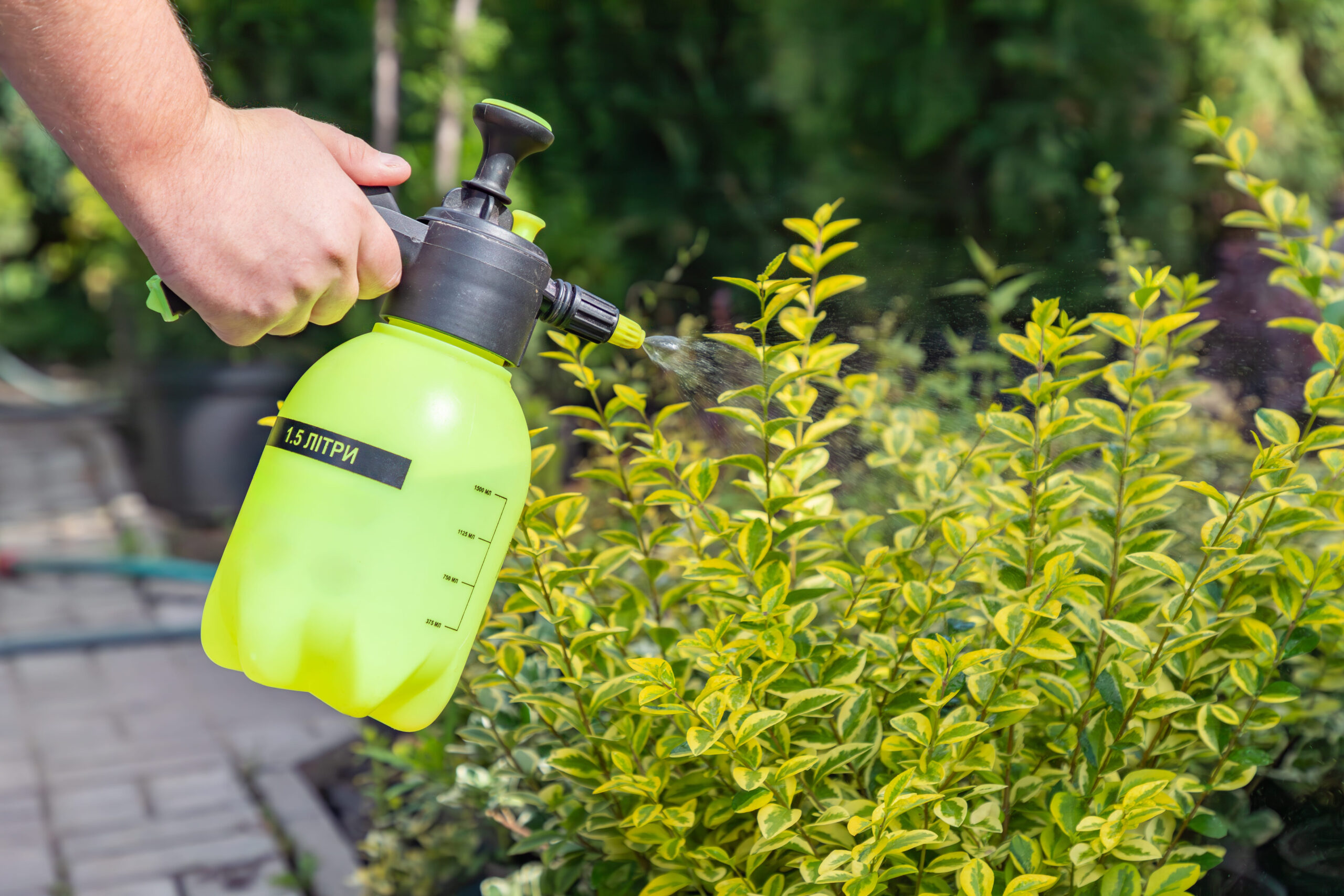
Sprayers are designed to apply pesticides, fertilizers, and fungicides, but overuse can lead to significant problems. Excessive spraying can harm plants, kill beneficial insects, and pollute the soil. Over-relying on chemicals can weaken your garden’s natural defenses, making it more susceptible to disease and pests in the future. Be cautious with your sprayer and use it only when absolutely necessary.
Conclusion
Many of the tools we rely on to make gardening easier can actually be doing more harm than good. From damaging soil to weakening plant health, these 15 commonly used tools can backfire if not used properly.
Learn the risks and make informed choices, your garden depends on it. Choose your tools wisely, use them correctly, and take action now: review your toolkit, adjust your gardening habits today, and give your plants the best chance to thrive.