Showing Up as the Holiday Revolves Around You

Arriving whenever you feel like it may seem harmless, especially if your family already knows you run on “almost there” time.
On Thanksgiving, though, lateness can throw off the entire meal. Turkey does not wait politely. Gravy thickens, rolls cool down, and the host starts doing mental math while smiling through their teeth.
It gets worse if you promised to bring something important. Nobody wants to delay dinner because the stuffing is still in your passenger seat.
If you are bringing a dish, treat the arrival time like a real appointment. The easiest way to look considerate is to show up when the host actually needs you there.
Bringing a Surprise Guest Without Asking First

Thanksgiving is not the day to test someone’s flexibility with an unexpected human being. A host may have counted chairs, plates, portions, and family tension levels before the first guest arrived.
Adding another person without warning can turn a carefully planned dinner into a seating chart emergency.
Even if your guest is lovely, the problem is the surprise. The host now has to stretch food, rearrange space, and pretend they are thrilled.
A simple text days before the meal can prevent the awkwardness. Thanksgiving generosity is real, but it should not be treated like an open-door buffet.
Turning the Table Into a Political Boxing Ring
Some people wait all year to say the most inflammatory thing possible between bites of cranberry sauce.
They call it “just a conversation,” but everyone else calls it indigestion. Thanksgiving is already loaded with personalities, old grudges, and relatives who remember every mistake you made in 2009.
Politics can turn a peaceful meal into a family group chat in human form. Even people who agree can get worked up.
If the conversation starts drifting toward cable-news combat, change lanes. Ask about recipes, travel, pets, football, holiday plans, or anything that does not make Aunt Linda grip her fork like evidence.
Taking Over the Kitchen Like You Were Hired
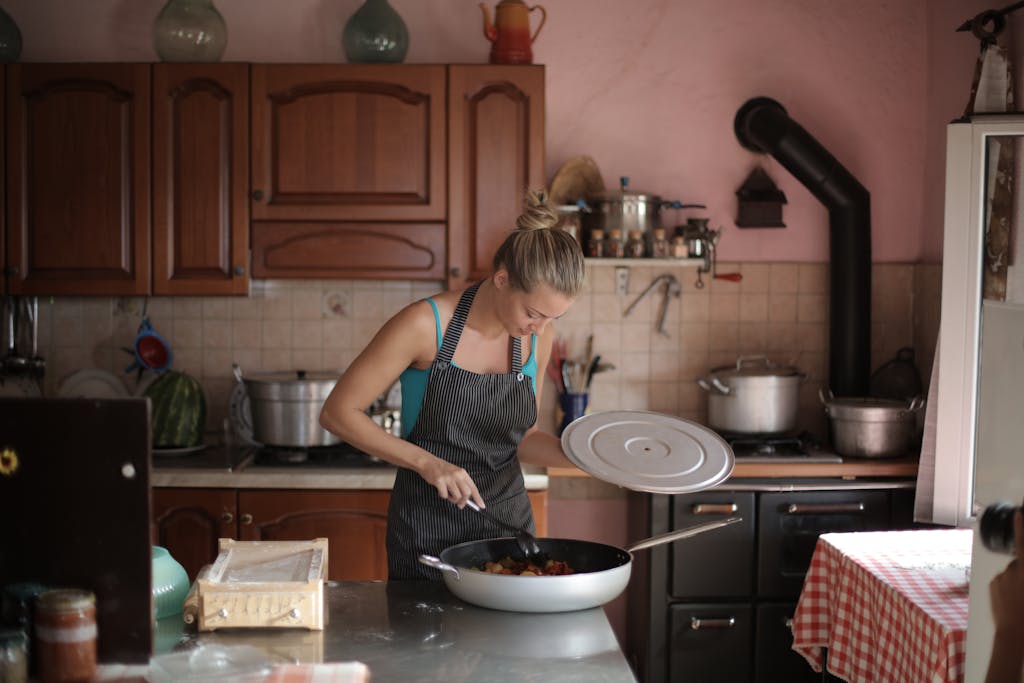
Offering help is polite. Marching into the kitchen and acting like the host needs rescuing is not.
Some guests start stirring pots, opening cabinets, adjusting seasoning, and giving oven advice nobody asked for. They think they are helping, but they are really invading the command center.
The kitchen is where the host has a rhythm, even if that rhythm looks like panic. Ask what you can do, then accept the answer.
If the host says, “Just relax,” believe them. Sometimes the best help is keeping people out of the way, refilling your own drink, and not asking where the serving spoons are every four minutes.
Bringing a Dish That Needs Half the Oven
Showing up with an uncooked casserole can feel generous until the host realizes it needs 45 minutes at 375 degrees.
On Thanksgiving, oven space is prime real estate. The turkey, rolls, stuffing, sweet potatoes, and pies may already be fighting for survival in there.
A guest dish should arrive ready to serve or easy to reheat. If it needs cooking, ask first. Better yet, bring something that holds up at room temperature, like a salad, dessert, bread, or an appetizer.
The host will remember the person who made the meal easier, not the person who arrived with a baking dish and a dream.
Changing the Dish You Promised to Bring
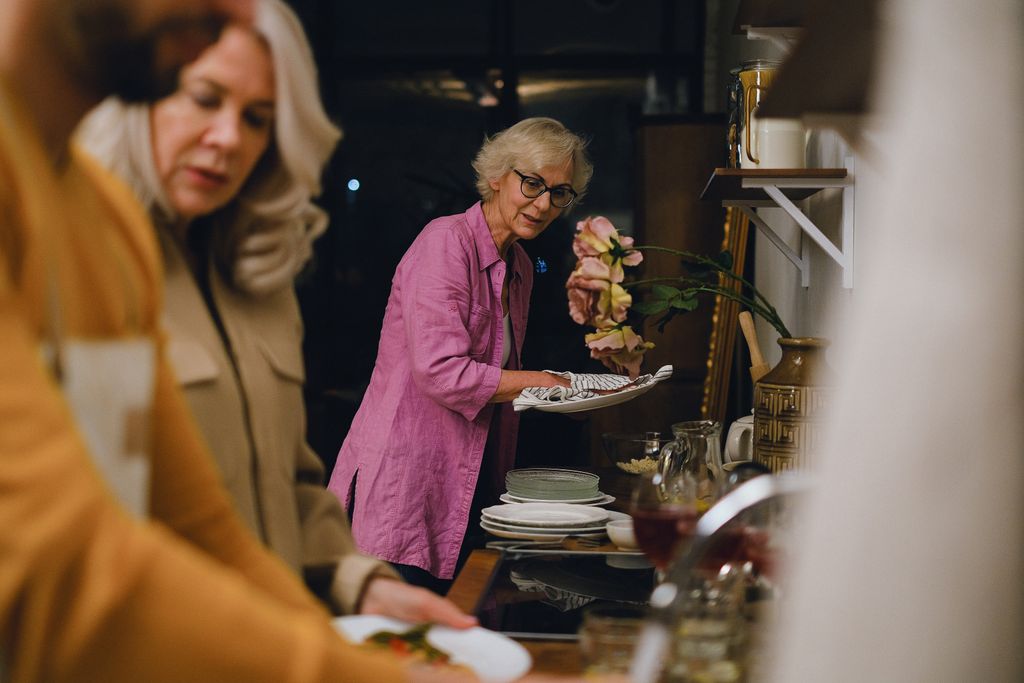
If you said you were bringing green beans, do not arrive with a random pie and call it festive. Hosts plan menus around what people promise.
One missing side dish can create a strange little gap on the table that everyone notices, especially the person who trusted you.
Thanksgiving food is emotional. People expect certain flavors, certain dishes, and certain family staples. A last-minute switch can feel casual to you and deeply annoying to the host. If something goes wrong, communicate early.
The rude part is not the mistake. The rude part is leaving everyone to discover it at dinner.
Showing Up Empty-Handed and Too Comfortable
Some hosts genuinely say, “Don’t bring anything.” That does not mean you should arrive like you are checking into a resort. A small thank-you gift still matters.
Flowers, drinks, dessert, coffee, candles, or even a thoughtful card can show that you understand how much work went into the day.
Thanksgiving hosting is expensive, tiring, and often invisible. Guests see the finished table, not the grocery bill, the early morning prep, the fridge chaos, or the emergency cleaning sprint before everyone arrived.
You do not need to bring something fancy. You just need to show that you did not mistake hospitality for a service.
Treating Leftovers Like a Free Grocery Store
Leftovers are part of the Thanksgiving magic, but they are not automatically yours to claim. Some guests start packing containers before the host has even sat down after dessert.
That can feel greedy fast, especially if the host planned to keep food for the next day.
Wait until leftovers are offered. If the host encourages everyone to take food, be reasonable.
Do not scoop half the macaroni, the last slice of pie, and enough turkey to feed your apartment building. Thanksgiving leftovers should feel shared, not looted.
Letting Food Sit Out All Night
Thanksgiving tables are beautiful, but they are not meant to become food museums. Once dinner stretches into dessert, coffee, football, and couch naps, leftovers can sit around too long.
That is where the cozy holiday feeling can turn into a stomach problem nobody wants to discuss.
Guests can help by clearing plates, packing food, and asking where containers are kept. Hosts do not have to do everything alone.
The safest Thanksgiving homes are the ones where someone remembers that turkey and sides need attention after the photos are taken and the first round of compliments is done.
Forgetting to Say Thank You Like You Mean It

A lazy “thanks” on the way out is better than nothing, but Thanksgiving deserves more than a throwaway goodbye.
Someone planned, cooked, cleaned, hosted, and probably worried about everyone having enough. That effort should be acknowledged with more than a wave from the doorway.
A real thank-you is specific. Mention the dish you loved, the table they set, the time they spent, or the way they made people feel welcome.
Even better, send a message the next day. Gratitude is the entire point of the holiday, and the host should not be the only person practicing it.