Are you looking to add more color and life to your garden by planting vibrant flowers in your raised beds? Whether you’re enhancing a vegetable garden or designing a dedicated flower bed, flowers not only add beauty but also help attract pollinators, creating a harmonious ecosystem in your outdoor space.
Raised beds offer many advantages, including better soil control, improved drainage, and earlier germination, making them an ideal environment for many flowering plants. Here are 10 flowers that will thrive in your raised beds, from early bloomers to long-lasting performers.
Ranunculus

- Sun Requirements: Full sun to partial shade
- Height: 12”-18”
- Hardiness Zones: 7-9
Ranunculus flowers are the epitome of elegance. These beautiful blooms thrive in the cooler weather of spring and need well-drained soil. Raised beds provide an ideal environment for ranunculus, as they improve root drainage and help prevent rot. Be sure to plant ranunculus corms in fertile soil, water them consistently, and protect them from extreme summer heat. When dormant, they are sensitive to overwatering, so raised beds with good drainage are essential to their success.
Marigolds
- Sun Requirements: Full sun
- Height: Up to 3 feet
- Hardiness Zones: 2-11
Marigolds are cheerful and low-maintenance plants that grow exceptionally well in raised beds. These flowers not only brighten up your garden with their vibrant colors but also help repel pests, making them an excellent companion for your vegetables. They’re perfect for gardeners who want to maintain a low-maintenance bed, as marigolds don’t require frequent fertilization once established. Regular deadheading will keep them producing flowers throughout the season.
Pansies
- Sun Requirements: Full sun to partial shade
- Height: 3”-10”
- Hardiness Zones: 2-9
Pansies bring charm and color to your raised beds, with their delicate, multi-colored flowers. These cool-weather flowers are best planted in fall or early spring and thrive in well-drained, fertile soil. They can handle mild frost, making them perfect for colder months. Pansies benefit from consistent watering and will flourish in cooler temperatures, providing a colorful touch in early spring.
Calendula
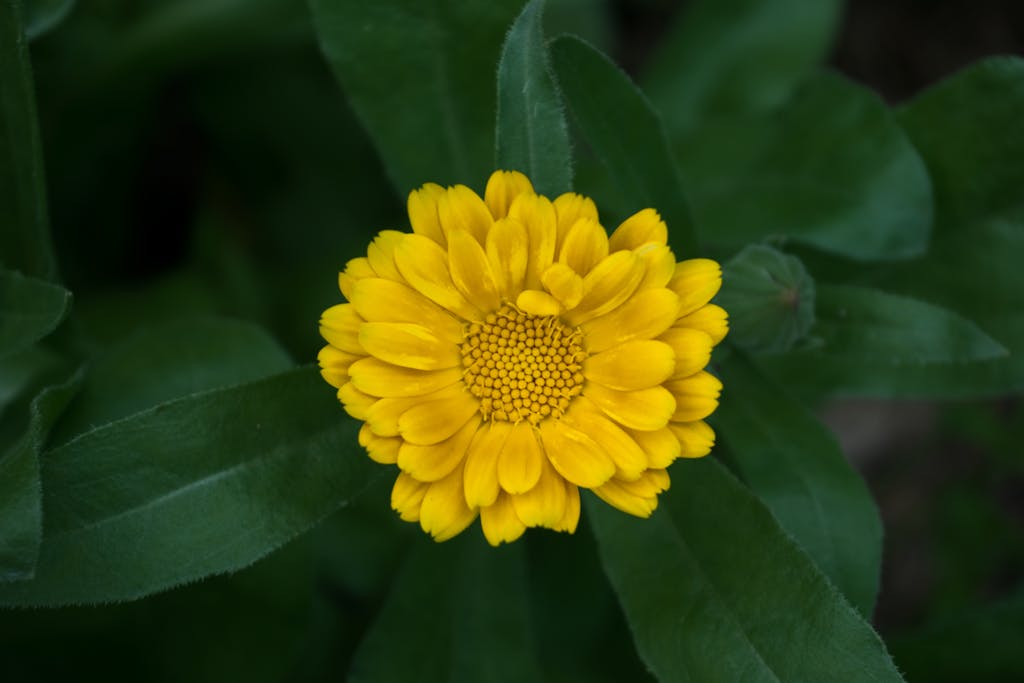
- Sun Requirements: Full sun
- Height: Up to 2 feet
- Hardiness Zones: 2-11
Calendulas are easy-to-grow, bright, and cheerful flowers that bring warmth to your raised bed garden. Not only are they beautiful, but their petals are edible, and they are commonly used to make teas and even skin salves. Calendulas thrive in cool, sunny conditions and benefit from regular deadheading to prevent seeding. They love fertile soil, and while they don’t require excessive fertilizer, a bit of compost at planting time will help them get off to a good start.
Poppy
- Sun Requirements: Full sun to partial shade
- Height: 2’-3’
- Hardiness Zones: 2-7
Poppies are delightful flowers that bring an effortless elegance to any raised bed. These flowers require cooler temperatures to germinate, so it’s best to sow poppy seeds in the fall for early summer blooms. Poppies enjoy well-drained soil, and a light layer of fertilizer will help them bloom abundantly. While they may go dormant in the heat of summer, they are known for reseeding, ensuring they return year after year.
Zinnia
- Sun Requirements: Full sun
- Height: Up to 4 feet
- Hardiness Zones: 2-11
Zinnias are another excellent choice for raised beds, particularly for gardeners who love cutting flowers. These fast-growing plants bloom quickly and can thrive in hot, sunny areas. Their bold, colorful blooms come in a variety of shades, from pink to orange, red, and purple. Plant zinnia seeds as soon as the soil warms up, and with a little care, you’ll have a garden full of vibrant flowers in no time. Zinnias love well-drained soil and benefit from a bit of balanced fertilizer once they begin to bloom.
Cosmos

- Sun Requirements: Full sun
- Height: Up to 6 feet
- Hardiness Zones: 2-11
Cosmos are a fantastic addition to raised beds because they thrive in poor soil conditions. These drought-tolerant flowers grow rapidly and are perfect for adding volume to your garden. They produce abundant flowers from late spring through summer. A bonus: cosmos love full sun and are excellent at attracting pollinators, making them an ideal plant for both aesthetics and the health of your garden.
Dahlia
- Sun Requirements: Full sun
- Height: Up to 6 feet
- Hardiness Zones: 7-10
Dahlias are incredibly popular for their vibrant, showy flowers that come in a wide variety of colors and shapes. They thrive in raised beds, where the loose soil makes planting and harvesting easier. While dahlias are perennials in warmer climates, they should be dug up and stored over the winter in cooler climates. Raised beds make this process easier and more convenient. For best results, dahlias need fertile, well-drained soil, plenty of sunlight, and regular watering.
Magic Carpet Snapdragons

- Sun Requirements: Full sun to partial shade
- Height: Up to 4 feet
- Hardiness Zones: 7-10
Snapdragons are known for their bright, showy flowers and their ability to thrive in cooler temperatures. These cheerful flowers are perfect for filling your raised bed in the fall for an early spring bloom. With a variety of colors, snapdragons bring a splash of color to any garden. They can grow quite tall, making them a stunning focal point in your garden. They’re cold-tolerant, even withstanding temperatures as low as 25°F (-4°C). Keep them well-watered as temperatures rise to encourage continuous blooming.
Bachelor’s Button (Cornflower)
- Sun Requirements: Full sun to partial shade
- Height: 1’-3’
- Hardiness Zones: 2-11
Bachelor’s buttons are fast-growing, easy-to-care-for plants that do well in raised beds. These hardy annuals produce lovely, delicate flowers that attract bees and butterflies. They’re also resistant to light frost, making them a great option for early-season planting. Bachelor’s buttons do best in well-drained, moderate soil with a bit of compost worked in. They’ll grow quickly, filling your raised bed with vibrant blue and purple hues.