Creating a tea garden at home doesn’t just offer you the satisfaction of growing your own plants; it also gives you the power to brew fresh, health‑boosting, and flavorful teas from your very own backyard. While many of us are familiar with traditional tea plants like Camellia sinensis, there’s a wealth of other herbs and flowers that can be grown specifically for brewing delightful herbal teas. Whether you are a tea enthusiast or simply enjoy the idea of an easy‑to‑maintain garden, here’s a deeper look into ten plants that you might not have considered for your tea garden but are definitely worth it.
Chamomile

Chamomile is more than just a soothing bedtime tea. The daisy‑like flowers of this herb offer an intensely calming brew, making it a go‑to for reducing anxiety and improving sleep quality. The gentle flavor is both floral and slightly sweet, with a hint of apple, which is why it’s so often used as an evening ritual. Chamomile is also rich in antioxidants, which can help combat inflammation and promote relaxation. Grown in well‑drained soil and full sunlight, chamomile is low‑maintenance, making it an excellent choice for beginners.
Lemon Balm
Lemon balm, with its refreshing citrus aroma, is a wonderfully easy herb to grow in your tea garden. Its lemony flavor makes it an ideal pairing for mint and other citrus herbs, creating a refreshing, revitalizing tea perfect for hot days. Beyond its flavor, lemon balm has stress‑reducing properties and is known to improve cognitive function. The herb grows well in partial shade and moist, well‑drained soil, making it a forgiving plant for those with less-than-perfect garden conditions
Echinacea
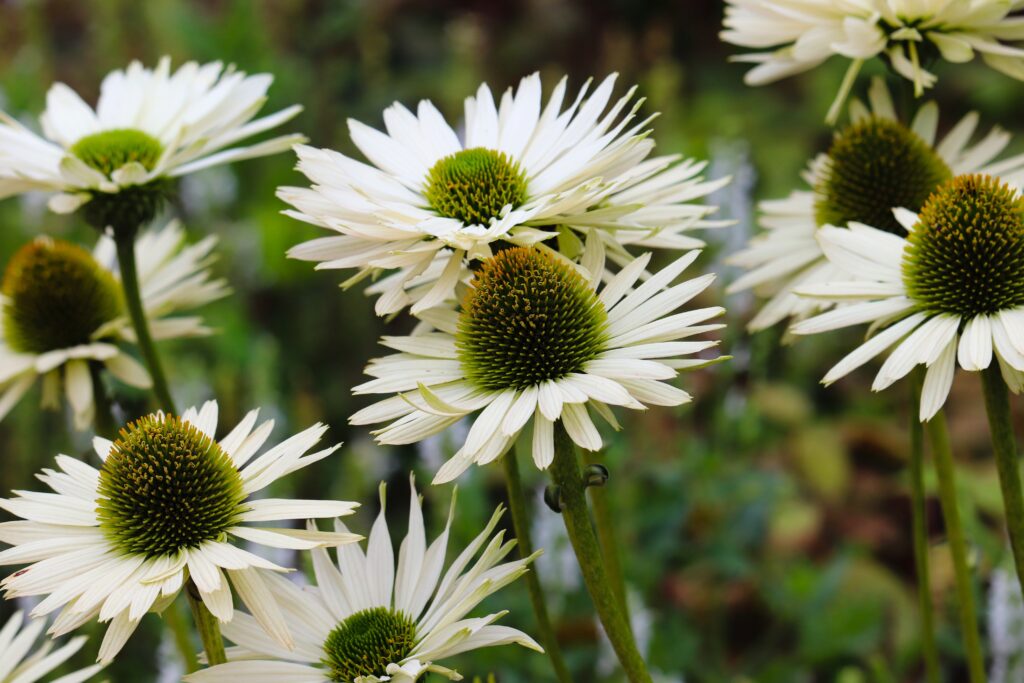
Echinacea is not only visually stunning, with its vibrant purple petals, but also revered for its immune‑boosting properties. The root, flowers, and leaves can be used to make a bold herbal tea that’s perfect for fighting off colds and strengthening the immune system. Echinacea has a distinct earthy flavor with a slight bitterness, so it pairs well with sweeter herbs like lemon balm or mint. Growing echinacea requires minimal effort; it thrives in well‑drained, slightly dry soil and needs full sun to bloom beautifully.
Mint
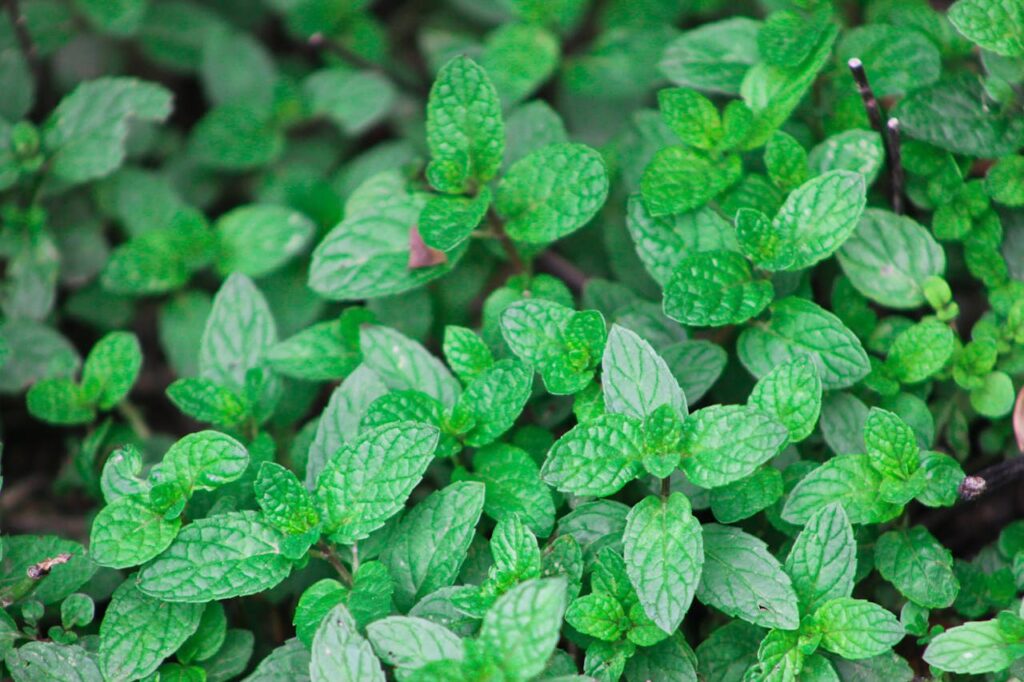
No tea garden is complete without mint. This herb is popular for its refreshing taste and invigorating effect on the senses. Mint comes in various varieties, such as peppermint, spearmint, and chocolate mint, each adding a unique twist to your tea blends. Mint is rich in menthol, which aids digestion and relieves nausea or headaches. It’s incredibly easy to grow, but you’ll need to contain it to prevent it from spreading like wildfire. Plant it in containers or confined spaces to keep it in check.
Calendula
Calendula, or marigold, is not only a beautiful addition to your garden, with its bright orange and yellow blooms, but it’s also a great tea ingredient. Calendula tea soothes the digestive system and is often used to reduce inflammation and support skin health. The flowers have a mildly sweet, slightly peppery flavor that complements herbal blends or citrus‑based teas. Calendula is easy to grow, thriving in well‑drained soil with moderate sun, making it a reliable plant for beginner gardeners.
Roses
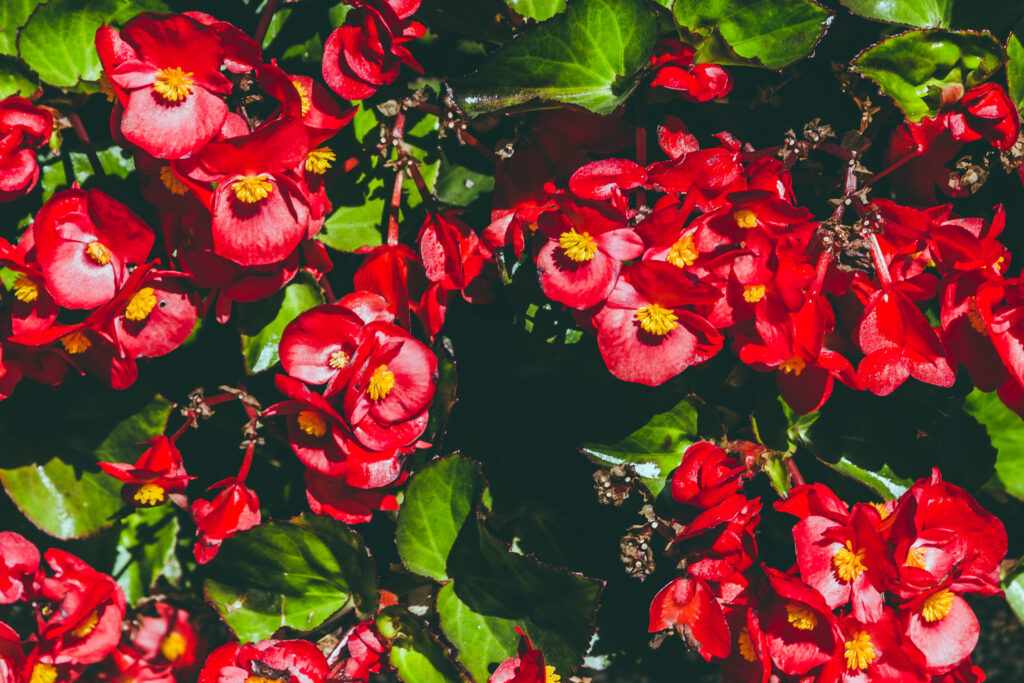
The inclusion of roses in your tea garden might surprise you, but they are a fantastic option for creating beautifully fragrant and delicately flavored teas. Rose petals, particularly from tea roses, offer a subtle floral taste that pairs well with other herbs such as chamomile or lavender. Rose tea is often used for its skin‑nourishing properties and can help soothe a sore throat or calm stress. If you want to use roses for brewing tea, choose pesticide‑free flowers and harvest the petals when they are fully bloomed but still fresh.
Lavender

Lavender is more than just a soothing scent for candles or essential oils; it’s also a fantastic tea ingredient. When brewed, lavender imparts a calming, slightly sweet flavor, ideal for evening relaxation. Known for its ability to reduce stress, anxiety, and even headaches, lavender can be enjoyed on its own or blended with other herbs like chamomile and lemon balm. Lavender thrives in dry, sunny environments, and you’ll want to prune it regularly to keep it tidy and encourage robust growth.
Lemongrass
Lemongrass is a tropical plant with a zesty, citrusy flavor that adds a vibrant kick to your tea. It’s well‑known for its ability to reduce stress, fight inflammation, and act as a mild detoxifier. The long, thin stalks of lemongrass need to be bruised slightly to release their oils, which will infuse the tea with a fragrant, tangy flavor. Lemongrass enjoys warm climates, so if you’re growing it in cooler areas, consider potting it and bringing it indoors during the winter months.
Basil

Although basil is typically associated with Italian cuisine, it makes an excellent addition to herbal teas. Sweet basil, especially, brings a mild, slightly peppery flavor to teas and blends well with lemon‑scented herbs like lemon balm or lemon verbena. Basil is known for its ability to aid digestion and improve mood. It grows best in sunny spots and needs regular watering to keep the leaves lush and tender for brewing. For the most fragrant leaves, harvest before the plant flowers.
Thyme
Thyme is a powerful herb that lends earthy, savory notes to herbal teas. It’s particularly useful for respiratory health and is known for soothing sore throats, coughs, and colds. The leaves are small but packed with flavor, making them a perfect addition to blends for their depth and complexity. Thyme thrives in well‑drained soil and full sun, and it’s an easy herb to grow in containers or garden beds. If you want to harvest it, cut just above the woody stems to encourage new growth.
Conclusion
Cultivating a tea garden at home is a rewarding experience, not only for the aesthetic appeal of the plants but also for the multitude of health benefits they bring. Whether you’re aiming for a calming cup of chamomile tea or a zesty blend with lemongrass, these ten plants offer an endless variety of flavors and therapeutic properties. With minimal care, these herbs and flowers will provide you with fresh, healthy teas that enhance your garden and daily life. By growing your own ingredients, you can brew tea that’s not just delightful but tailored to your unique taste and wellness goals.