Food is a crucial part of human existence, but some of the world’s most beloved dishes hide dangers that could change everything with just one wrong bite. Over centuries, humanity has developed a keen sense of what to eat and what to avoid, but it’s still shockingly easy to fall into traps set by nature itself.
Some foods are toxic by design, others by preparation, and some just require a slip-up at the wrong moment. It’s a thin line between dinner and disaster, and this list reveals ten foods where the stakes are uncomfortably high.
Pufferfish
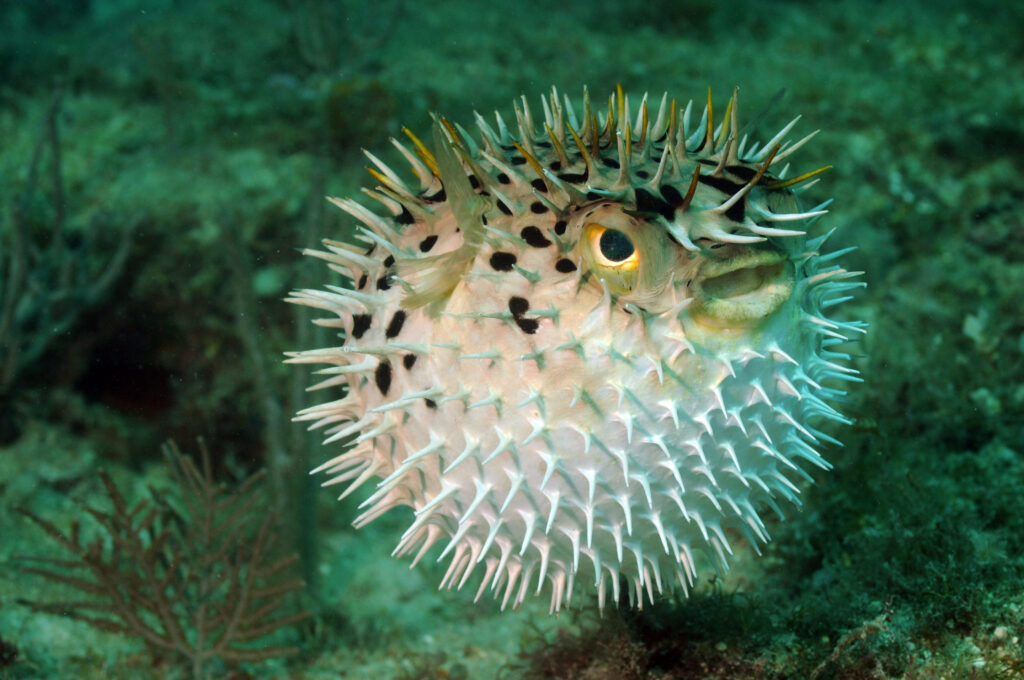
Imagine eating something so deadly that a single slip of a chef’s knife could turn your meal into a fatal incident. Pufferfish, or Fugu, is a delicacy in Japan, but one mistake can result in quick paralysis and death. The pufferfish is filled with tetrodotoxin, a neurotoxin 200 times deadlier than cyanide, which is found primarily in the liver, intestines, and ovaries.
For centuries, chefs have been carefully trained to prepare this potentially lethal fish, and they undergo extensive licensing before they’re allowed to serve it. But the stakes couldn’t be higher if even a tiny amount of the toxin remains in the flesh; you’re in danger of losing consciousness, your ability to breathe, and possibly even your life within hours.
Fugu is so risky that anyone who eats it becomes acutely aware of the risks. The tingling sensations and numbness around the mouth are early warning signs, but if left untreated, the progression is quick, leading to paralysis and, ultimately, death. When you eat Fugu, you place your life in the hands of a licensed sushi chef. It’s a terrifyingly accurate reminder of how easily we can take food safety for granted.
Ackee
Ackee, Jamaica’s national fruit, is deceptively dangerous. While it’s a key ingredient in dishes like the famous Jamaican “ackee and saltfish,” it’s also known for containing hypoglycin, a toxin that, when consumed improperly, causes severe vomiting and even death.
Hypoglycin levels are highest when the fruit is not fully ripe, which is when the fruit’s flesh is toxic. The seeds remain toxic at all times, making them a consistent danger. If you consume the fruit before it has naturally burst open, the outcome can be life-threatening, with symptoms including Jamaica Vomiting Sickness, delirium, toxic hepatitis, and, in severe cases, coma.
In 1988, nearly 30 deaths were attributed to ackee poisoning, and in 2001, more than 50 lives were lost due to improper preparation of this exotic fruit. While it can be safely eaten once it has ripened fully and naturally opened, the deadly consequences of rushing the process are all too real. The very fruit that forms a central part of Jamaican culture harbors a hidden menace, proving that even the most iconic foods can be dangerous if not respected.
Cassava
Cassava is a staple in many tropical regions of the world, used to make tapioca, cassava chips, and boba tea, yet it holds a deadly secret. The roots of the cassava plant contain cyanogenic glycosides, which, when consumed raw or improperly processed, can cause cyanide poisoning. The FDA has long warned about this plant, outlining the risks of consuming raw or undercooked cassava. Even though cassava is an incredibly versatile and nutritious food when handled correctly, its unprocessed form poses a very real threat.
When not processed properly, the cyanide compounds in cassava can lead to symptoms like nausea, dizziness, difficulty breathing, and even death. The dangerous part of cassava is that it doesn’t look dangerous; it’s a harmless-looking root vegetable that has been harvested and consumed for centuries across multiple continents. But once improperly prepared, it can turn from a cultural staple to a deadly poison. Once again, it’s a reminder that preparation is key when handling foods that hide dangerous natural compounds.
Blood Clams
Blood clams may sound like a name from a horror movie, but they are real— and terrifying in their own right. These clams get their name from the high hemoglobin content in their blood, which gives it a deep red color. While they’re a delicacy in various parts of Asia, their ability to filter vast amounts of water makes them particularly dangerous. The clams filter as much as 40 liters of water daily, but unfortunately, this also means they filter out bacteria, viruses, and pathogens that can lead to serious infections. Hepatitis A, dysentery, typhoid, and cholera are just some of the illnesses that can be contracted from eating improperly cooked blood clams.
The true danger comes when the clams are harvested from polluted waters, as they often carry potentially deadly pathogens that no amount of cooking can completely destroy. A notable incident in 1988 saw over 300,000 people in Shanghai become ill, and 31 died after consuming blood clams contaminated with hepatitis. While not every blood clam poses the same risk, the very act of filtration ensures that they will always carry an inherent danger that makes them risky to eat.
Live Octopus
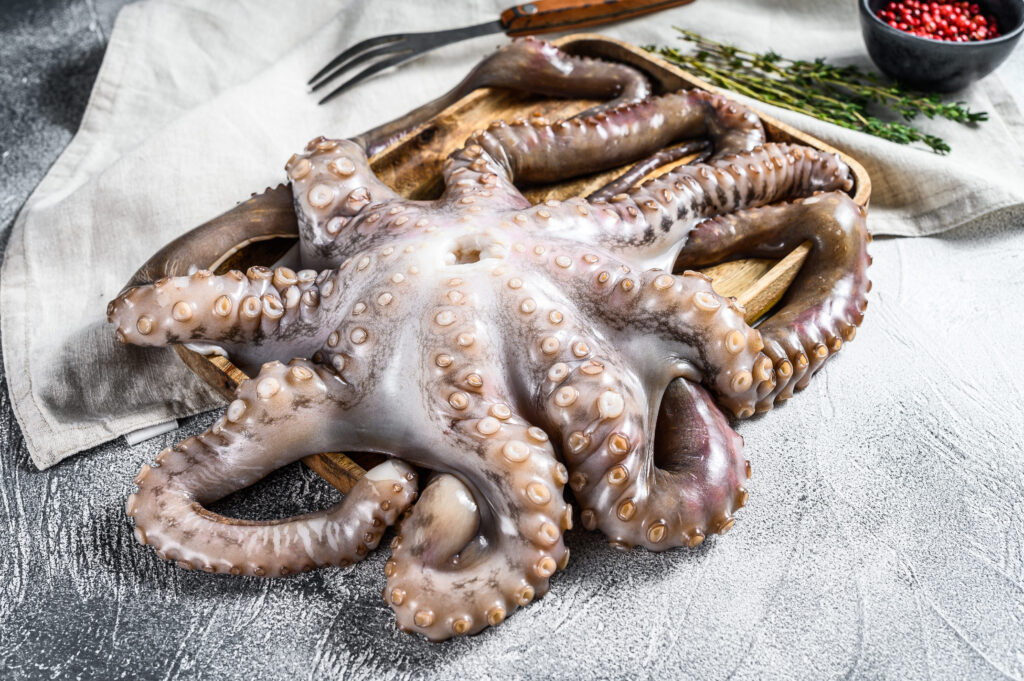
There is something inherently dangerous about eating live food, and in the case of live octopus, it is far more than just the psychological discomfort of watching your meal move. In Korea, a delicacy known as San-nakji features small octopuses served immediately after they’ve been killed, even though their tentacles continue to move after death.
The danger isn’t just in the octopus’s squirming; it’s in the suction cups attached to each tentacle, which can latch onto a person’s throat while being eaten. These tentacles can block airways and, in some cases, cause choking that leads to death.
In South Korea, where the dish is popular, it’s estimated that six people die each year from trying to swallow live octopus. The issue isn’t just how it looks, but how it behaves when you try to eat it. The suction cups aren’t just for show; they remain functional after the octopus is dead and can cling to the throat with deadly force. In a race between the tentacles and the person trying to swallow, it’s often the tentacles that win.
Wild Mushrooms
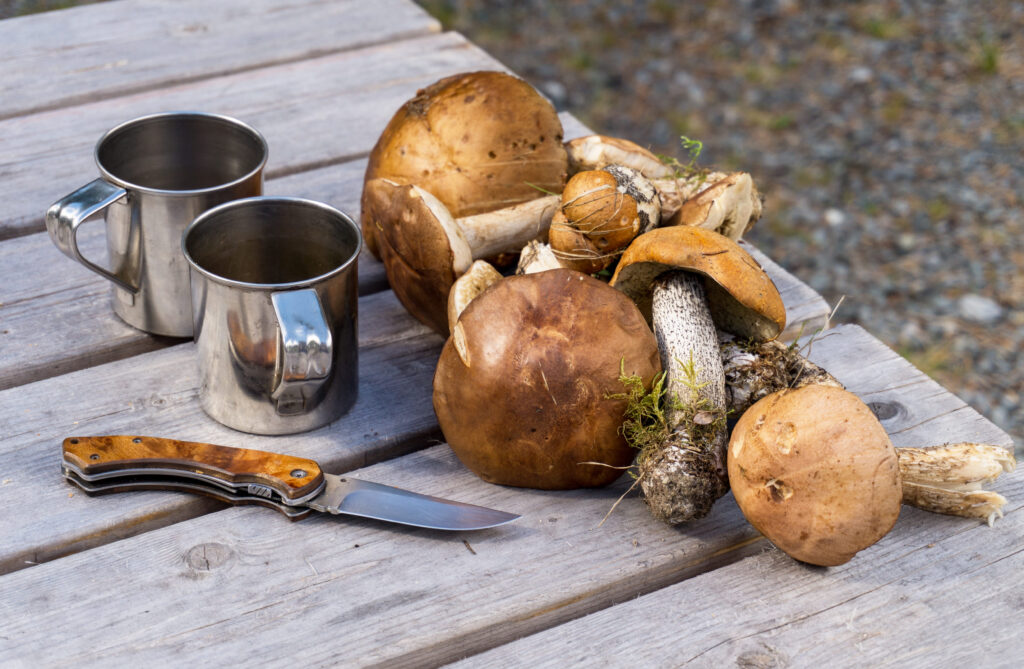
Mushrooms are widely used in global cuisine, but wild mushrooms can be notoriously tricky. A wide variety of plants are edible, but many others are incredibly toxic, causing symptoms from mild nausea to fatal liver failure. The problem is that some deadly mushrooms, like the Amanita phalloides (Death Cap), look eerily similar to their edible counterparts. Even expert foragers can make mistakes. In some countries, wild mushroom picking has led to poisonings that resulted in organ failure and death.
Mushrooms don’t need a bad cooking method to be dangerous. They need to be identified correctly, which can be more difficult than it sounds. CDC data shows numerous outbreaks of mushroom poisoning, including cases where people died after ingesting mushrooms that were mistaken for safe species. The lesson here is clear: Just because something grows out of the ground doesn’t mean it should be on your plate.
Raw Cashews
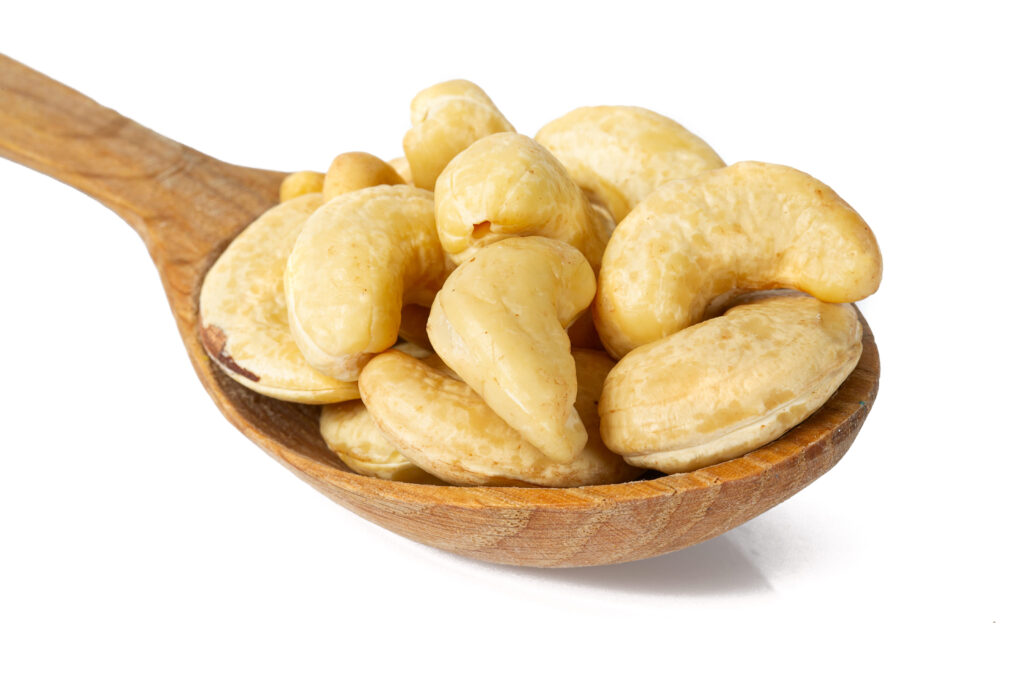
Cashews are among the most popular snacks in the world, yet the raw form of these nuts poses a hidden danger that can cause severe allergic reactions and irritation.
Raw cashews contain a chemical compound known as urushiol, the same substance found in poison ivy. Urushiol can cause skin irritation, hives, and allergic reactions when handled or consumed in its raw state. Eating raw cashews can lead to painful rashes or even anaphylactic shock in sensitive individuals.
However, the “raw” cashews you buy at the store have already been steamed to neutralize the urushiol, which is why they are safe to eat. But if you’re handling or harvesting cashews from the tree yourself, proceed with caution. A simple mistake in harvesting or preparing raw cashews could lead to painful or potentially life-threatening reactions. Even though nuts are widely consumed, they are dangerously toxic in their raw state.