Food has a way of bringing people together, but certain dishes often do the opposite. These foods spark passionate debates and polarize opinions over ethical concerns, environmental impact, and even legal issues. Whether it’s animal cruelty, sustainability, or cultural clash, these controversial foods have stories that go far beyond just their taste.
Let’s explore seven of the most contentious foods around the globe, their dark sides, and why they continue to provoke outrage.
Kopi Luwak (Civet Coffee)

Kopi Luwak, often hailed as the world’s most expensive coffee, comes with a high ethical cost. This delicacy is made from beans that civet cats have eaten, digested, and excreted. While some people are drawn to the drink’s rarity, the reality is far less charming. The increasing demand for this luxury coffee has led to the exploitation of civets, which are often caged and force-fed to produce the beans.
Animal welfare groups have raised alarm over the cruelty involved, with many civets living in poor conditions for the sake of this overpriced coffee. The fact that the high price tag often masks the suffering behind it is what makes this drink so controversial.
Ortolan Bunting
A dish with a ritual as disturbing as its preparation, Ortolan Bunting is a tiny bird traditionally eaten whole in France, often while blindfolded. The bird is captured, fattened up in captivity, and then drowned in brandy before being served.
Despite being illegal in France since 1999 due to the bird’s declining population, it remains a secretive delicacy for the wealthy. The debate surrounding Ortolan is not just about food—it’s a cultural and ecological crisis. The hunting of this endangered species pushes it closer to extinction, which makes consuming it far more than a gastronomical act—it’s a direct assault on conservation efforts.
Foie Gras
Foie gras, a rich and luxurious dish, has sparked decades of controversy over its production methods. Made from the fattened liver of ducks or geese, it is produced by force-feeding the birds until their livers expand to unnatural sizes. This practice, known as gavage, has been criticized by animal rights groups, leading many countries to ban its production.
Despite its undeniable culinary prestige, the ethical concerns surrounding foie gras have resulted in protests, petitions, and calls for bans from animal welfare organizations. It’s a classic example of luxury cuisine that comes at a significant moral price.
Shark Fin Soup
A symbol of luxury and status in many Asian cultures, shark fin soup is another dish that has drawn widespread criticism for its environmental impact. Shark fins are often obtained through a practice known as “finning,” where sharks are caught, their fins are removed, and the rest of the body is discarded back into the ocean, often while the animal is still alive.
This practice has led to a massive decline in shark populations, with some species now facing the risk of extinction. Conservationists argue that shark finning is not only wasteful but also threatens the delicate balance of marine ecosystems.
Beluga Caviar
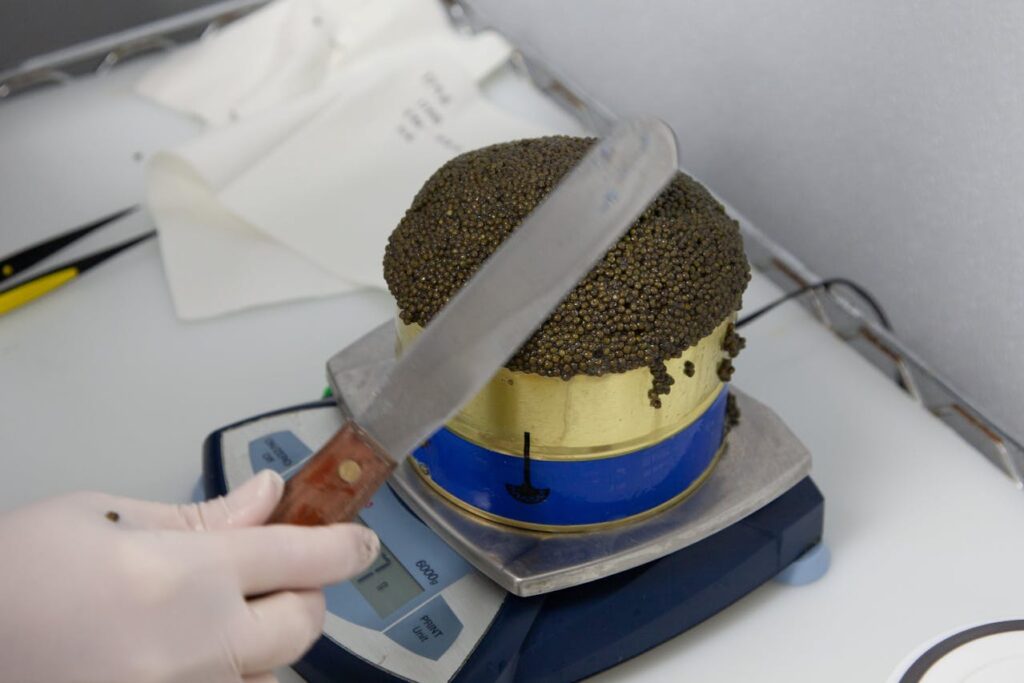
Beluga caviar, often regarded as the most luxurious of all caviars, is also one of the most controversial. The beluga sturgeon, which produces this prized delicacy, is critically endangered, and the harvesting of its eggs has led to the species’ near extinction in certain regions.
The illegal poaching of these fish and the ethical concerns surrounding their conservation status have turned this once-glamorous dish into a target for activists. With many countries now imposing bans on beluga caviar, its luxury status continues to clash with the environmental costs.
Sannakji (Live Octopus)
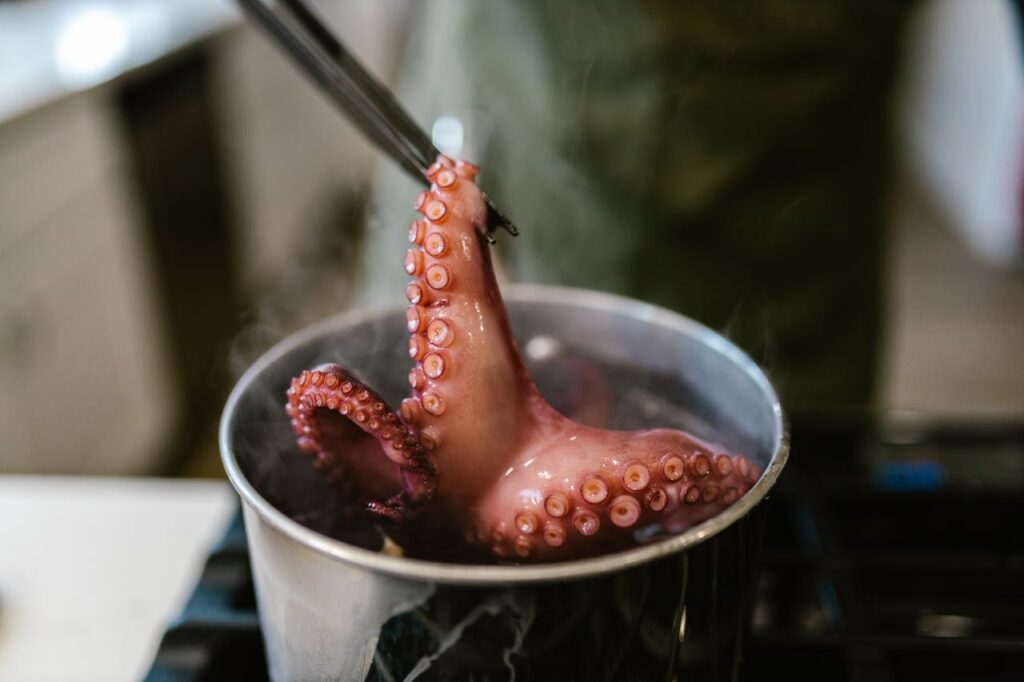
Sannakji is a Korean dish that involves eating a live octopus, typically cut into small pieces and served while still wriggling on the plate. While this dish is popular in certain regions, it has sparked horror and disgust worldwide.
Animal rights advocates argue that eating live animals for the sake of novelty is inhumane and cruel, while the risk of choking on the still-moving pieces has raised safety concerns. The practice of eating live animals for culinary purposes remains deeply controversial.
Century Eggs

Century eggs, also known as hundred-year eggs or thousand-year eggs, are a Chinese delicacy preserved through a unique fermentation process. The eggs are typically duck, chicken, or quail eggs that have been soaked in a mixture of clay, ash, quicklime, and rice husks for several months.
While many people enjoy the pungent taste, the unusual method of preservation has led some to view the eggs as a health risk, especially given concerns about high levels of lead from the clay used. The strong flavor and the preservation process make it one of the more polarizing foods in the world.