Delve into the fascinating world of animals with the shortest lifespans, exploring the intricate biological and ecological reasons behind their fleeting lives, from mayflies to pygmy gobies.
In the animal kingdom, some creatures live for years, while others barely live long enough to reproduce. The shortest-lived animals on Earth have evolved extraordinary strategies that maximize their survival chances in the limited time they have.
These creatures are often at the mercy of their environment, where speed, reproduction, and survival instincts become paramount. From the ephemeral lives of mayflies to the rapid developmental cycles of gastrotrichs, let’s explore these animals and the science behind their brief but significant existence.
Mayflies
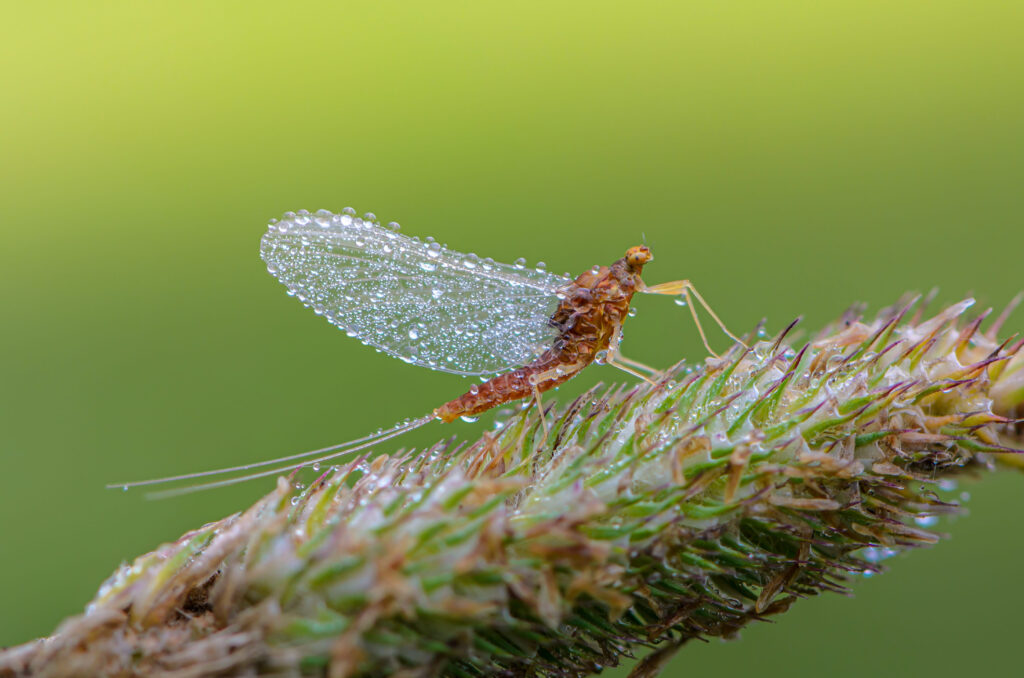
Mayflies have earned a reputation as the symbol of animals with the shortest lifespan, and for good reason. Many adult mayflies live for just a few hours or a single day, barely enough time to complete their life’s ultimate task: reproduction. Mayfly species such as Dolania americana may even have adult life stages lasting less than 5 minutes.
This ephemeral adult existence is a strategic evolutionary decision. According to a study by North Carolina State University, mayflies spend most of their lives in aquatic nymph stages, growing and feeding before they transform into winged adults for a brief, reproduction-focused phase.
The extremely short adult lifespan is advantageous in environments where survival chances are low. The mayfly’s adult stage is dedicated almost entirely to mating, with little to no feeding involved. Its brief life ensures it can reproduce quickly before the body deteriorates. These insects also lay eggs in aquatic habitats, giving the next generation a head start before they perish.
Interestingly, the mayfly’s incredible reproductive speed makes it a fascinating model for studying fast-paced ecological dynamics. Their lifecycle has adapted perfectly to the principle of “live fast, reproduce fast.” Their ephemeral existence has even inspired scientists and artists alike to reflect on the brevity and beauty of life.
Gastrotrichs
Gastrotrichs, tiny microscopic organisms found in aquatic sediments, have one of the shortest complete lifespans in the animal kingdom. These creatures live a mere 3 to 21 days, depending on environmental conditions. Animal Diversity Web notes that gastrotrichs reproduce and grow quickly, completing their life cycle at an impressively rapid pace.
Unlike the mayfly, whose adult stage is the shortest, gastrotrichs complete their entire life cycle in a matter of days or weeks. They reproduce rapidly, taking full advantage of favorable conditions before environmental changes (such as water temperature fluctuations or the depletion of food sources) force them into extinction. The fact that they are microscopic creatures allows them to quickly adapt to their surroundings, rapidly developing and reproducing before their environment changes once again.
Gastrotrichs serve as a reminder of the power of speed and adaptability in the animal world. While they may be small, their life strategy demonstrates that time is a precious commodity and that reproductive efficiency is key.
Luna Moths
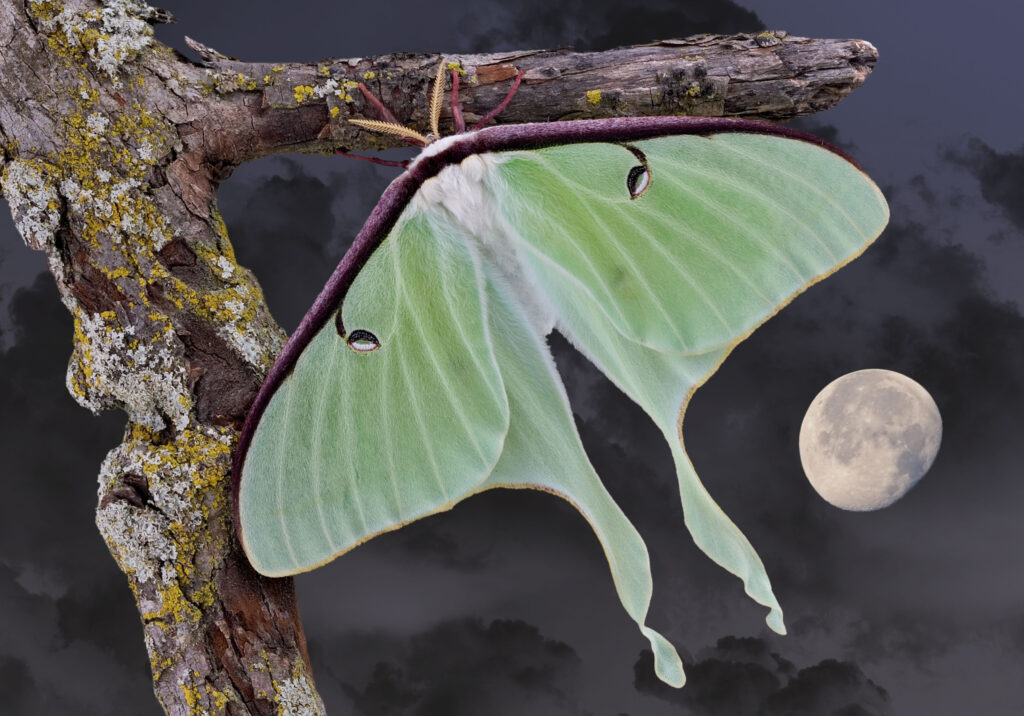
Luna moths are one of the most striking creatures in North America, known for their beautiful green wings and long, sweeping tails. However, their beauty comes at a price: the adult luna moth only lives for about 7 to 10 days. In this brief time, the moths do not feed at all. As noted by the Chesapeake Bay Program, luna moths emerge as adults from their cocoons, mate, lay eggs, and then die.
This short lifespan results from the moth’s reproductive strategy. As adults, luna moths have no mouthparts and thus cannot feed, relying entirely on the energy stored during their caterpillar stage. Their sole purpose in this fleeting adult life is reproduction. This strategy ensures that their energy is devoted to finding a mate, fertilizing eggs, and completing their biological mission.
The luna moth’s brief life is a stark contrast to the image many people have of moths. These creatures are the epitome of life’s temporary beauty. Their short, purpose-driven life cycle serves as an example of how creatures can use their limited time to fulfill one of nature’s most important roles: reproduction.
Mosquitoes
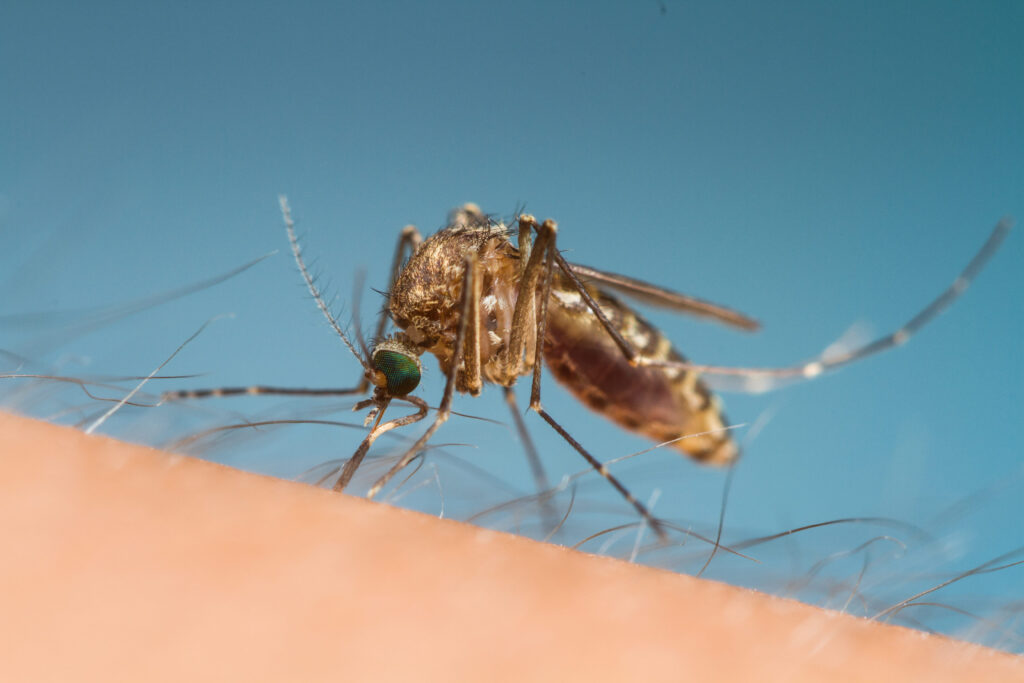
Mosquitoes, although bothersome to humans, serve as another example of the animal kingdom’s ability to thrive within a short lifespan. According to the U.S. Environmental Protection Agency, a mosquito’s lifespan ranges from 1 to 4 weeks, depending on the species and environmental factors.
While mosquitoes have relatively short lives, the female mosquitoes can produce multiple batches of eggs during their life, allowing them to perpetuate their species. Their adult lifespan is much shorter than that of other insects, but their rapid life cycle (egg to adult in approximately 10 to 14 days) and reproductive success make them incredibly effective at proliferating.
Mosquitoes’ brief lifespans allow them to quickly capitalize on seasonal changes. They lay their eggs in water sources such as ponds, puddles, or marshes. In warm, humid conditions, this cycle accelerates, allowing mosquitoes to complete their lifecycle before changing environmental conditions (such as a lack of standing water) reduce their populations.
Labord’s Chameleon
Labord’s chameleon is an exceptional case among reptiles, with a lifespan of only 4 to 5 months in some populations. The chameleon’s life cycle is timed to Madagascar’s rainy season, with eggs hatching during the rains and adults living only long enough to reproduce.
This species has evolved to thrive in a narrow window of time when food and mating opportunities are abundant. Labord’s chameleon illustrates how a short lifespan can be a beneficial adaptation to specific ecological conditions.
Fruit Flies
Fruit flies are one of the most studied organisms in scientific research due to their short lifespan and rapid reproductive rate. According to Animal Diversity Web, Drosophila melanogaster typically has a lifespan ranging from weeks to a few months.
Fruit flies are commonly used in genetic and aging research because their rapid life cycle allows scientists to observe multiple generations in a short time. Their short lifespan allows researchers to study genetic inheritance, development, and aging processes much more quickly than with longer-lived animals. Despite their brief existence, fruit flies have contributed immensely to our understanding of genetics and biology.
For a tiny creature, the fruit fly makes a significant impact on science. The short lifespan provides valuable insights into the nature of life itself, offering an accessible model for studying biological processes.
Monarch Butterflies
Monarch butterflies have one of the most fascinating life cycles in nature. According to North Dakota State University Extension, monarchs in spring and summer typically live for about 2 to 5 weeks, mating and laying eggs before dying. However, the migratory generation that emerges in late summer or fall can live up to 6 to 9 months.
This split between short-lived and long-lived generations is unique among insects. The summer monarchs focus on reproduction, while the migratory generation conserves energy and survives for months, traveling thousands of miles to overwinter in Mexico. This incredible biological strategy ensures that the species can reproduce rapidly in favorable conditions and also survive through tough migratory periods.
Monarchs serve as an excellent example of how life-history strategies can vary within a single species, with different generations adapting to specific ecological pressures.
Worker Honey Bees
Honey bees have a clear division of labor within the hive, and the worker bees, which are responsible for foraging, cleaning, and defending the hive, typically live for only 2 to 6 weeks during the busy summer season. According to Animal Diversity Web, worker bees spend their adult lives performing strenuous work for the colony.
Their short lives are due to the intense physical demands of foraging, which cause their wings to wear out and their energy reserves to deplete quickly. Despite their brief existence, worker bees play a critical role in pollination and the survival of the hive, ensuring that their colony thrives even after they are gone.
Worker bees exemplify how a short lifespan can be an adaptive strategy for a social species. Their ability to contribute to the hive’s success within a brief lifespan highlights the importance of division of labor and resource sharing in animal societies.
Seven-Figure Pygmy Goby
The seven-figure pygmy goby is one of the shortest-lived vertebrates, with a recorded lifespan of up to 59 days. According to a study published in Current Biology, this tiny reef fish is adapted to its ephemeral life on coral reefs, where it matures, reproduces, and perishes within a few weeks.
The pygmy goby’s short lifespan allows it to avoid many of the dangers faced by other small fish. Its rapid maturation and early reproduction ensure its species persists even in environments with high predation and unstable food sources.
African Turquoise Killifish
The African turquoise killifish, a small species found in temporary pools, has a lifespan of just 4 to 6 months. The fish’s survival strategy is tied to the ephemeral nature of its habitat. According to PubMed Central, the fish lives in pools that dry up seasonally, and its life cycle is compressed to ensure reproduction before the water disappears.
In research, the turquoise killifish has become an important model organism for studying aging because its short lifespan allows scientists to observe its effects in a compressed time frame. The fish’s rapid life cycle and adaptability to changing environments make it a valuable species for understanding biological processes.
House Flies
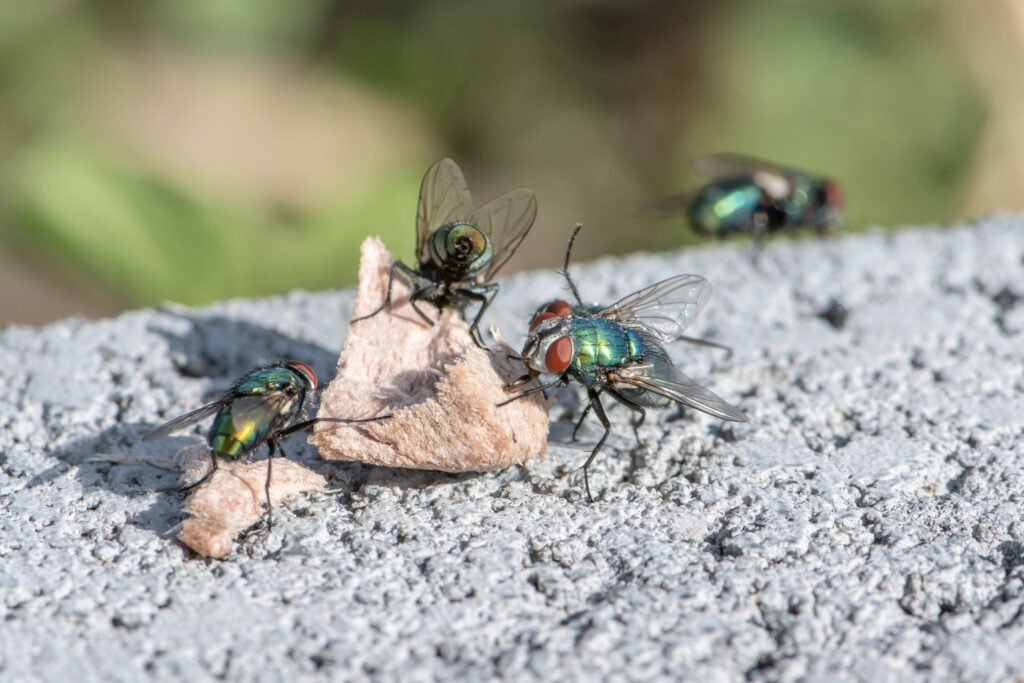
House flies are often associated with annoyance, but their short lifespan is crucial to their ability to thrive in human-dominated environments. According to Animal Diversity Web, house flies typically live 15-25 days in the wild, depending on environmental conditions.
House flies reproduce quickly, laying hundreds of eggs in decaying organic matter. These eggs hatch into larvae, which quickly grow into pupae and then adults. Their rapid lifecycle allows them to exploit food sources quickly, and their numbers can multiply rapidly. Despite their brief adult lives, house flies have an outsized impact on the ecosystems they inhabit, both through reproduction and as vectors of disease.
Their brief lives and rapid reproduction highlight the importance of adaptation to transient environments. By completing their lifecycle quickly, house flies have carved out a niche in habitats that may only provide food and resources for a limited time.