Inflation is no longer limited to gas, groceries, or rent. It has seeped into unexpected corners of everyday life, turning once cheap items into surprisingly expensive purchases. From quirky condiments to hobby supplies, Americans are discovering that even the smallest, most routine expenses are being affected.
These price jumps are not random. Supply chain disruptions, rising production costs, and labor shortages are driving up costs across industries. The result is that everyday household budgets are feeling the pressure in ways that feel both odd and unavoidable.
Toothpaste

Toothpaste is another unexpected casualty of inflation. Production costs are rising due to higher prices for aluminum, plastics, and other chemicals used in modern formulas, forcing brands to pass some of these costs onto consumers.
Transportation and packaging expenses add to the pressure, particularly for major national brands shipped across the country. Households buying multiple tubes each month may notice the cumulative effect over time, making even basic oral hygiene a more deliberate budget consideration.
Coffee Pods
Coffee pods are feeling the strain as labor shortages in coffee-producing countries and higher shipping costs drive prices upward. Single-serve capsules, once considered an affordable convenience, have become a noticeable expense for daily users.
Packaging costs, particularly for premium or branded pods, contribute further to the price increase. Home baristas are forced to weigh the convenience of pods against their steadily rising cost, sometimes turning back to traditional brewing methods to save money.
Cat Litter
Pet owners are encountering rising costs for cat litter, a product once considered a minor household expense. Higher clay prices, supply chain challenges, and strong demand from households that adopted cats during the pandemic are all pushing prices up.
Premium clumping varieties and scented options have seen the steepest increases, straining pet budgets. This makes caring for feline companions more expensive than many pet owners expected, highlighting how inflation touches even the smallest parts of daily life.
Lawn Fertilizer
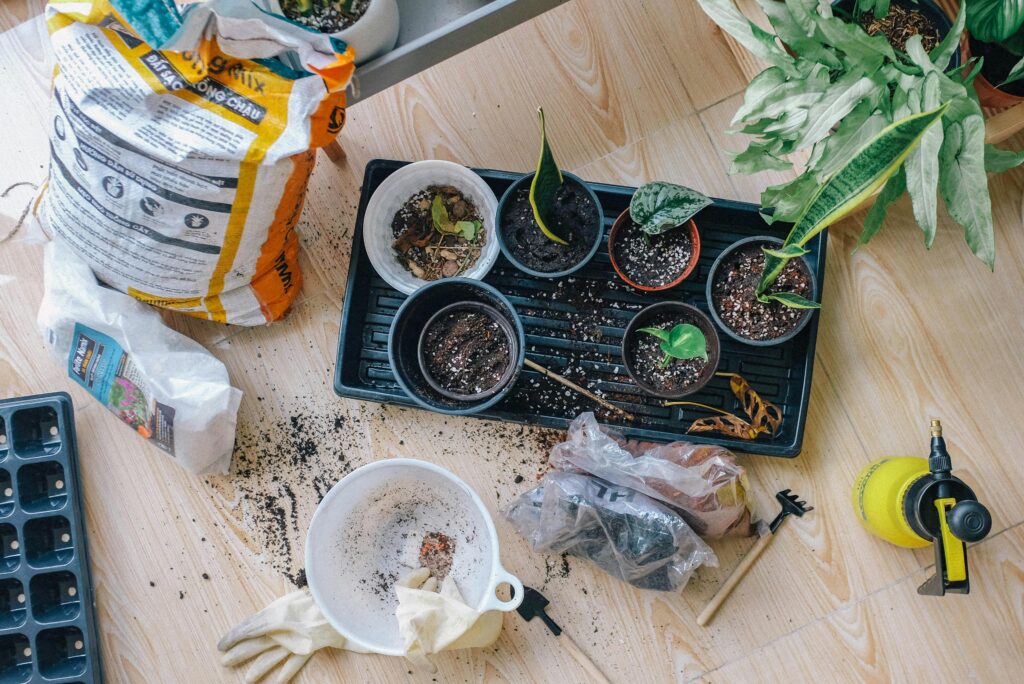
Lawn fertilizer prices are rising due to higher natural gas costs, which drive ammonia production, a key ingredient in most fertilizers. Supply chain delays and shipping fees add further costs, particularly for imported or specialty blends.
Home gardeners now face higher bills for routine lawn care, forcing them to plan purchases strategically. Seasonal maintenance, which previously felt affordable, has become a more considered expense in household budgets.
Hot Sauce
Hot sauce has become a small luxury, no longer a bargain condiment for your kitchen table. Global supply chain issues and extreme weather in key pepper-growing regions have reduced output, making even standard bottles more expensive than last year.
At the same time, demand is surging as culinary trends embrace spicy foods and artisanal condiments. Shipping delays and higher transportation costs amplify the effect, further pushing retail prices up. Consumers now find themselves paying more for something that used to feel like a simple flavor booster.
Ice Cream

Ice cream, a treat for families and individuals alike, has seen noticeable price hikes. Rising costs for dairy, sugar, and labor, along with production disruptions, have pushed retail prices higher, especially for premium or artisanal brands.
Specialty flavors and mix-ins have been affected the most, turning occasional indulgences into more expensive purchases. Consumers now need to weigh their sweet cravings against their household budgets in ways they did not before.
Musical Instruments

Musical instruments, from beginner guitars to keyboards, are seeing unexpected inflationary pressures. Raw material costs, overseas shipping, and supply chain interruptions have all contributed to higher retail prices.
For aspiring musicians, even entry-level instruments now cost substantially more than they did a year ago. This limits accessibility for beginners and makes resale markets more competitive, affecting both hobbyists and serious learners alike.