Alcohol can quietly embed itself into daily life, often disguised as celebration, relaxation, or social bonding. We start with a glass at dinner, a cocktail at happy hour, or a beer on a weekend afternoon. Initially, it seems harmless, almost ceremonial, but over time, small patterns emerge that quietly chip away at health, energy, and clarity. We may notice ourselves sleeping poorly, feeling mentally foggy, skipping workouts, overspending, or apologizing for behavior we can’t fully explain. The repetition creates a feedback loop where drinking becomes less about enjoyment and more about habit, distraction, or avoidance.
Recognizing the need for a break does not require a dramatic crisis. Even moderate but consistent drinking can affect our body, mind, relationships, and finances in subtle ways. Public health experts increasingly emphasize that taking periodic breaks from alcohol can improve long-term wellness, help regulate mood, and provide a clearer sense of personal boundaries. A pause is an opportunity to reset rather than a judgment on character, and understanding the signs is the first step toward reclaiming control.
We Keep Using Alcohol As A Stress Button

Alcohol can become a default stress response without us noticing. We pour a drink when deadlines loom, evenings feel lonely, bills pile up, or tension lingers from unresolved arguments. While it may offer temporary relief, the body processes alcohol as a depressant, creating a cycle where the relief is short-lived and followed by fatigue, irritability, or anxiety. Over time, relying on alcohol to manage stress diminishes natural coping strategies and prevents us from addressing the root causes of stress.
A break allows us to explore healthier stress-management options, such as exercise, mindfulness, journaling, therapy, or social connection, without a chemical shortcut. By temporarily removing alcohol, we can see clearly which coping methods truly support our mental health. This awareness often leads to more sustainable patterns that reduce stress without compromising long-term well-being.
Our Sleep Looks Full But Feels Empty
Alcohol can create the illusion of sleep by helping us fall asleep faster, yet it disrupts the deeper stages of rest. REM sleep, crucial for cognitive function and emotional regulation, becomes fragmented, leaving us tired despite hours spent in bed. Frequent awakenings, restlessness, and morning grogginess often follow even moderate drinking, creating a cycle of caffeine reliance and daytime fatigue. Over time, the body’s natural rhythm and restorative sleep capacity can erode without obvious early warning signs.
A break from alcohol provides an opportunity to measure true sleep quality. Tracking changes in energy, alertness, and mood during alcohol-free periods can reveal just how much alcohol was undermining nightly rest. Improved sleep supports everything from focus and memory to immune function, providing immediate tangible benefits to daily life.
We Promise To Have One Drink And Keep Having More
Difficulty sticking to intended limits signals that alcohol may be exerting control over behavior. We might plan to enjoy a single glass but end up consuming multiple drinks or staying out longer than planned. This pattern can escalate over time, creating physical, emotional, and financial consequences. Even when intentions are clear, the repeated failure to adhere to self-imposed boundaries is a warning that the habit is influencing decision-making more than we realize.
Taking a structured break allows us to test whether we can adhere to limits in practice. By observing our behavior during an alcohol-free period, we can assess how much drinking is habitual versus intentional. Awareness of these patterns empowers us to make informed choices about drinking in the future, rather than remaining trapped in automatic cycles.
We Need More Alcohol To Feel The Same Effect
Tolerance develops gradually and often imperceptibly, compelling us to consume increasing amounts for the same calming or euphoric effect. What once felt like a single glass is now multiple servings, contributing to cumulative strain on organs, sleep, and mental clarity. Elevated tolerance is not just a matter of quantity; it signals that the brain and body are adapting to chemical changes that may compromise long-term health.
A deliberate break allows us to reset tolerance and evaluate the true impact of alcohol on mood and energy. During the pause, the body recalibrates, reducing the need for larger quantities and restoring sensitivity to natural relaxation cues. This reset period enhances both self-awareness and physical well-being, helping prevent further escalation.
Our Mood Feels More Anxious Or Low After Drinking
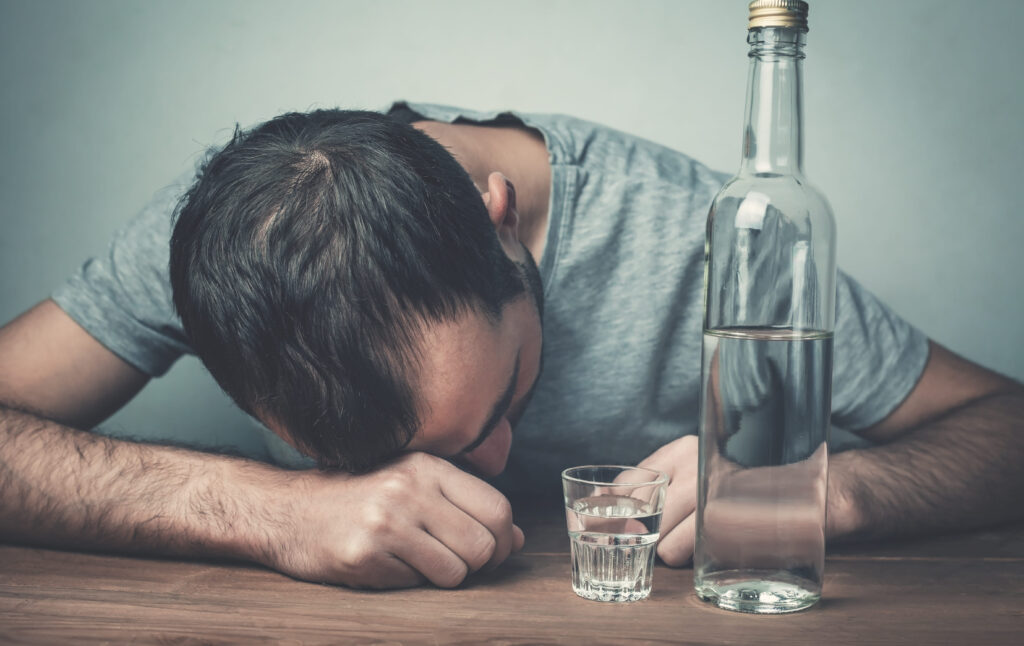
Alcohol can create a deceptive sense of mood improvement, but often leaves a shadow effect the following day. Anxiety, irritability, sadness, or heightened emotional reactivity may appear after consumption. Chronic exposure can exacerbate underlying mental health issues, including depression and anxiety, as the brain’s neurotransmitter systems are altered. Even moderate drinking can influence mood patterns subtly, contributing to a persistent low-grade emotional drain.
Taking a break offers clarity by separating natural mood fluctuations from alcohol-induced effects. Observing improvements in stability, patience, and emotional resilience during alcohol-free periods highlights how alcohol may have been amplifying negative emotions. The break provides an essential diagnostic window to differentiate between alcohol-driven feelings and baseline mental health needs.
Our Body Keeps Sending Small Warning Signals
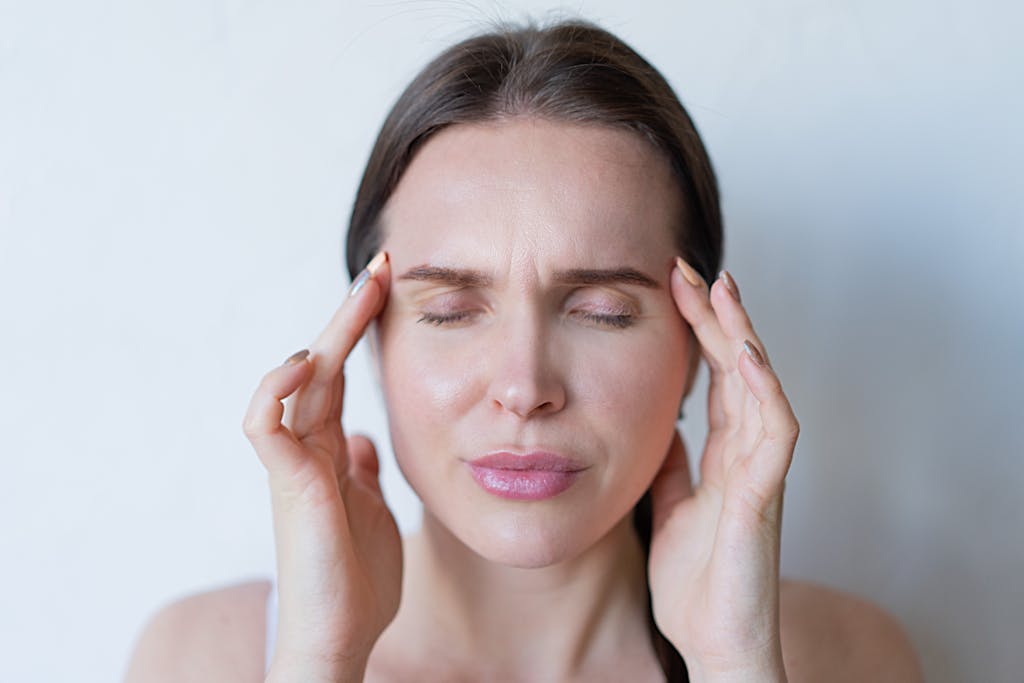
Subtle physical cues often indicate that the body is struggling with alcohol. Headaches, stomach upset, heartburn, fatigue, poor workout recovery, and skin changes may appear gradually. Even without overt illness, these signals suggest cumulative stress on organs such as the liver, pancreas, and heart. Ignoring these whispers can lead to more severe problems down the line.
A period without alcohol allows the body to recover and signals whether previous discomforts were alcohol-related. Improvements in energy, digestion, skin tone, and exercise performance during a break validate the body’s need for moderation. This self-experiment provides measurable insights without waiting for a medical crisis.
Our Blood Pressure Or Heart Health Is Becoming A Concern
Alcohol consumption has a direct relationship with cardiovascular health. Even moderate regular intake can elevate blood pressure, increase arrhythmia risk, and contribute to heart disease over time. Individuals with preexisting conditions are particularly vulnerable to long-term complications. Recognizing early patterns, such as palpitations, irregular heartbeats, or persistently high blood pressure, is critical to preventing more serious outcomes.
Pausing alcohol intake supports the heart and provides a natural gauge for cardiovascular resilience. Combined with lifestyle adjustments such as exercise, diet, and hydration, an alcohol-free interval often produces measurable improvements in heart health metrics. Monitoring these changes strengthens motivation to maintain moderation or structured breaks.
We Are Ignoring The Cancer Conversation
Alcohol consumption is linked to several cancers, including breast, colorectal, liver, esophageal, and oral cancers. Awareness remains surprisingly low, with many individuals underestimating the long-term risk even from routine drinking. Scientific evidence confirms that any amount of alcohol increases exposure to carcinogens in the body, making moderation and breaks crucial preventative measures.
Choosing a period of abstinence reduces cumulative risk and reinforces conscious decision-making around drinking. The pause also encourages reflection on long-term health goals and lifestyle alignment. Understanding the relationship between alcohol and cancer shifts the narrative from enjoyment to informed choice.
We Feel Embarrassed By Things We Said Or Did
Repeated regret over social behavior while drinking highlights alcohol’s impact on judgment and self-control. From oversharing and arguments to missed commitments or unsafe decisions, these patterns can erode relationships, professional credibility, and self-esteem. Even sporadic lapses serve as evidence that drinking may be compromising personal integrity.
A break allows time to regain behavioral clarity and reduce repeated social risk. Evaluating alcohol’s influence on interactions can inspire changes in social strategies and boundaries. Addressing embarrassment proactively prevents patterns from solidifying and preserves personal reputation.
Our Relationships Are Starting To Absorb The Cost

Drinking habits influence the people around us. Tension, missed engagements, secrecy, and defensiveness may emerge as consequences of alcohol use, affecting partners, friends, and family. Relationship quality often declines gradually, making recognition challenging without reflection. Persistent conflict linked to drinking is a significant indicator that a pause may be necessary.
Alcohol-free periods offer a chance to repair relationships and enhance presence. By reducing alcohol-related tension, communication improves, empathy strengthens, and trust is reinforced. Observing these positive changes reinforces motivation to maintain moderation or periodic abstinence.
We Are Spending More Money Than We Admit
The financial impact of alcohol is often underestimated. Beyond the price of the drinks themselves, alcohol incurs hidden costs: late-night deliveries, rideshares, missed work, reduced productivity, and impulsive purchases. Cumulatively, these expenses can divert resources from savings, investments, or lifestyle priorities.
A structured break provides transparency about spending patterns. Redirecting funds toward goals such as fitness, travel, or debt reduction demonstrates the tangible benefits of abstinence. Financial clarity reinforces the health and lifestyle benefits of reduced drinking.
We Feel Nervous About Taking A Break
Resistance to the idea of abstinence, fear of social awkwardness, boredom, or missing a coping tool is itself a signal that alcohol has assumed a controlling role. Nervousness is common even for moderate drinkers contemplating a break and highlights psychological attachment to drinking routines.
Acknowledging apprehension empowers us to approach the break strategically. Planning replacement activities, supportive social responses, and hydration rituals reduces anxiety. Observing personal capability to succeed without alcohol strengthens confidence and autonomy.