Some animals never asked to become symbols of death, yet history handed them the darkest costumes in the cultural closet. A raven lands on a roof, an owl calls after midnight, a black cat crosses a quiet street, and suddenly the imagination begins to build a funeral out of feathers, fur, and moonlight.
These beliefs did not appear from nowhere. Many came from ancient religions, night travel, fears of disease, battlefield scenes, graveyard sightings, and the human habit of turning mystery into meaning. When we look more closely, the animals associated with death are usually not evil at all. They are scavengers cleaning the land, nocturnal hunters keeping ecosystems balanced, or sacred creatures placed near the border between life and the afterlife.
Ravens Became Death Birds Because They Followed Battlefields
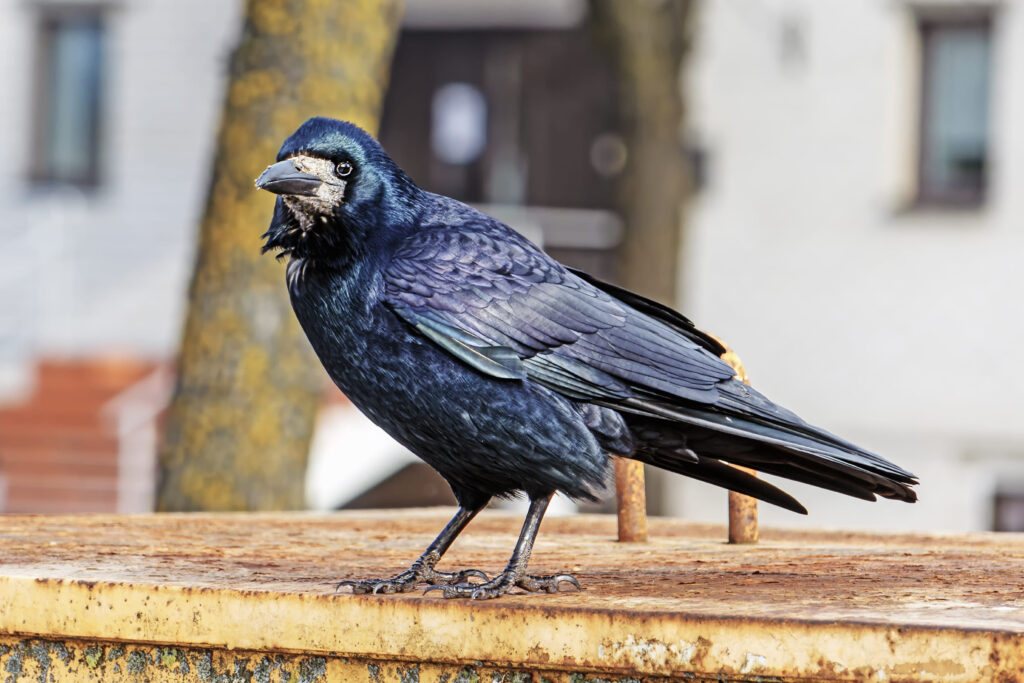
Ravens carry one of the heaviest reputations in the animal world. Their black feathers, deep calls, and habit of appearing around carrion made them easy targets for death symbolism long before modern horror stories sharpened the image. In many cultures, people saw ravens near battlefields, gallows, and burial grounds, and associated the birds with the fate that had already arrived. The raven did not cause death. It simply knew where food could be found.
That practical behavior became spiritual storytelling. In Norse mythology, ravens were associated with Odin, a god associated with wisdom, war, poetry, and the dead. In Celtic and British traditions, ravens often appeared as battlefield birds, watchers, or messengers between worlds. Their intelligence made them even more mysterious, as people could see they were not ordinary scavengers. They solved problems, remembered faces, and seemed to watch human life with unsettling patience.
The myth grew stronger because ravens sound like they belong in a storm. Their calls are rough, their movements are deliberate, and their dark bodies stand out against pale winter skies. A white dove can look like peace even when it is only flying home. A raven can look like prophecy even when it is only looking for lunch. That contrast helped turn the bird into one of the most famous animals associated with death.
Owls Were Feared Because Night Made Their Voices Sound Supernatural
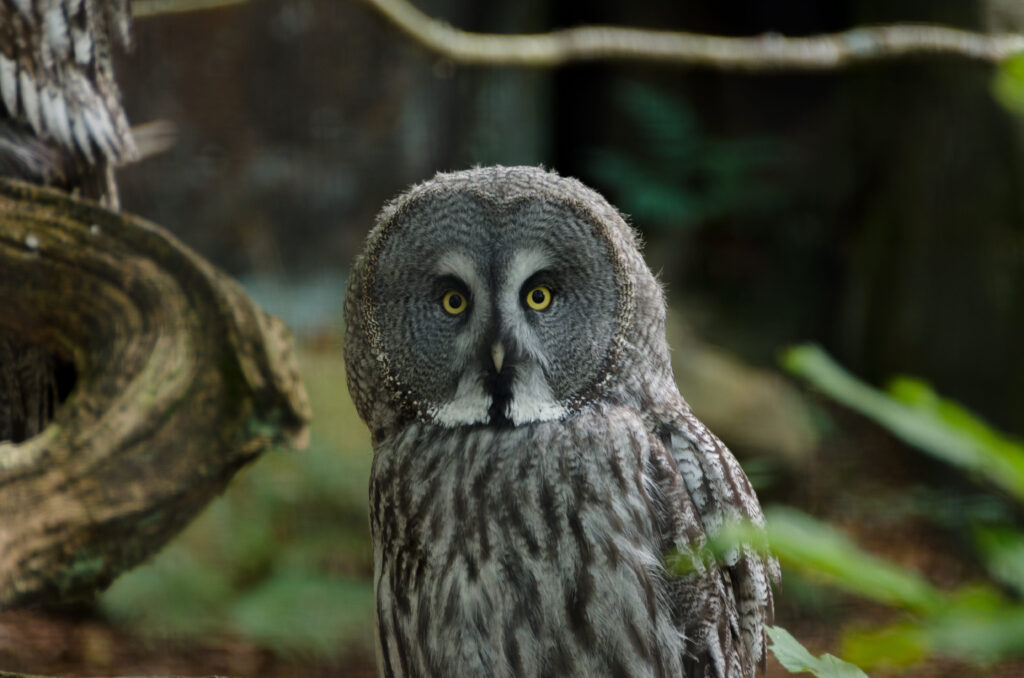
Owls became death omens because they live where human imagination is most vulnerable. They hunt at night, fly almost silently, stare with forward-facing eyes, and call from trees when people cannot see them. Before streetlights, medical science, and modern wildlife knowledge, a sudden owl cry near a sickbed or lonely road could feel like a warning from another world. The fear was not really about the owl. It was about darkness, silence, and uncertainty.
Different cultures gave owls different meanings. Some ancient Greek traditions linked them with wisdom through Athena, while other folk beliefs treated them as messengers of doom. In parts of Europe, Africa, and the Americas, owl calls were sometimes read as signs of death, illness, witchcraft, or spiritual disturbance. The same animal could be sacred in one place and feared in another, which shows how flexible animal symbolism can be.
The owl’s biology made the myth believable. Its silent flight comes from specialized feathers that soften wing noise, allowing it to hunt without warning prey. Its large eyes reflect light in a way that can feel almost ghostly at night. Its cry can travel through darkness with a human-like quality that unsettles the listener. We now know owls are skilled predators, not death messengers, but their midnight presence still carries old folklore in its wings.
Black Cats Were Blamed Because Fear Needed a Familiar Face
Black cats became linked to death, bad luck, and witchcraft because medieval Europe often treated the unfamiliar as dangerous. A cat that moved silently at night, vanished into shadows, and stared with glowing eyes could easily be folded into stories about witches, spirits, and hidden evil. The color black already carried funeral associations in many Western cultures, so black cats inherited the suspicion they never earned.
The superstition became especially cruel when cats were imagined as witches’ companions or even witches in disguise. Stories spread that a black cat crossing someone’s path could bring misfortune, sickness, or death. These fears were cultural, not factual, yet they shaped behavior for centuries. Even today, black cats still carry a Halloween image that is playful on greeting cards but harmful when it affects how people treat real animals.
What makes the myth especially unfair is that black cats are ordinary cats with dark coats. Their color does not make them any more or less unlucky, dangerous, or supernatural. In some cultures, they have even been considered lucky, protective, or prosperous. The same cat can be a curse in one story and a blessing in another, which proves the omen says more about human belief than animal behavior.
Bats Became Death Symbols Because They Lived in Darkness
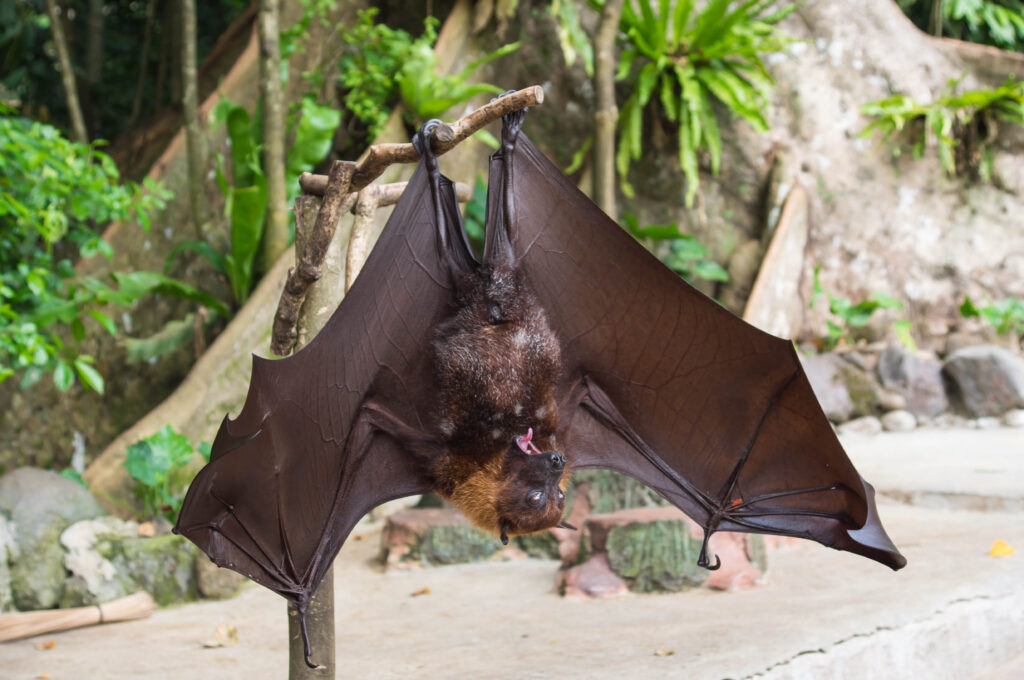
Bats entered death folklore through caves, ruins, night skies, and later vampire stories. They sleep upside down, move after sunset, and gather in places people often find frightening. For generations, those traits made bats seem unnatural, even though they are simply mammals adapted to a nocturnal life. Their association with graves, abandoned buildings, and darkness helped connect them with fear before most people understood their ecological value.
The vampire link made the reputation worse. European vampire folklore existed before bats became closely associated with it, but popular literature and theater helped fuse the two images. Once the vampire became elegant, predatory, and night-bound, the bat became its winged companion in the public imagination. That association pushed bats deeper into the symbolic world of death, blood, and the undead.
Real bats are far more useful than frightening. Many eat insects, pollinate plants, and support ecosystems in ways most people never notice. Their night flights are not omens. They are part of a quiet natural labor that benefits forests, farms, and neighborhoods. The tragedy of bat folklore is that one of nature’s most helpful animals became trapped inside one of culture’s darkest myths.
Vultures Were Linked to Death Because They Clean What Others Fear
Vultures may be the clearest example of an animal mistaken for a bad sign because they arrive after death. They gather where bodies already exist, so people often see them as symbols of doom. The connection feels obvious from a distance. A circling vulture suggests something has died below, and that image is powerful enough to unsettle almost anyone.
Yet vultures are not villains. They are ecological sanitation workers. By consuming carrion, they help remove dead animals from landscapes and reduce the spread of disease. Their digestive systems are adapted for a job most animals cannot safely perform. What looks gruesome to us is part of a larger natural process that keeps ecosystems healthier.
Some ancient cultures understood this better than modern stereotypes do. In ancient Egypt, vultures could symbolize protection, motherhood, and divine authority. That positive meaning may surprise people who only know vultures from cartoons and desert death scenes. The bird’s link to death is real, but it is not only grim. It also represents transformation, cleansing, and the strange way nature turns endings into survival.
Jackals Became Afterlife Animals Because They Watched the Edge of the burial grounds.
Jackals and jackal-like canines were associated with death in ancient Egypt because they were often seen near cemeteries and desert burial sites. To people protecting the dead, a wild canine near a grave was both a threat and a sign. It could disturb remains, but it also seemed to guard the border between the living settlement and the desert beyond. That tension helped shape one of the most enduring death symbols in ancient religion.
Anubis, the jackal-headed god, became associated with mummification, tomb protection, and guiding souls into the afterlife. His animal form was not random. The jackal’s real-world presence near burial areas made it a fitting symbol for a deity who watched over the dead. The animal became more than a scavenger in myth. It became a guardian of passage.
This is one reason death symbolism can be more complex than simple fear. The jackal was not only a warning. It was also a protector. In the Egyptian imagination, the same animal that might threaten a grave could become the divine figure responsible for preserving the body and guiding the soul. That layered meaning gives the jackal one of the richest places in animal death folklore.
Dogs Became Spirit Guides Because Loyalty Was Imagined Beyond the Grave
Dogs are usually linked with loyalty, protection, and companionship, but many cultures also place them near death. The idea makes emotional sense. If a dog guards the home in life, why would it not guard the soul in death? This belief appears in different forms, from underworld hounds in European mythology to sacred dogs in Mesoamerican traditions.
One of the most striking examples is the Xoloitzcuintli, the Mexican hairless dog. In ancient Mesoamerican belief, this dog was connected with the journey of the dead through the underworld. The animal was not feared as a curse. It was respected as a guide. That changes the meaning of death symbolism entirely because the dog becomes a companion through danger, not a threat.
European folklore often gave dogs a darker role. Black dogs, hellhounds, and night hounds appeared in stories as omens of death, especially on lonely roads, graveyards, crossroads, and moors. These tales used the familiar shape of a dog and turned it into something larger, darker, and supernatural. Even then, the symbolism rests on the same idea. Dogs stand at thresholds. They guard doors, roads, homes, and, in myth, the passage between worlds.
Death’s Head Moths Looked Like Warnings Because Nature Drew a Skull
Few insects have a name as dramatic as the death’s head hawkmoth. Its reputation stems from the skull-like marking on its thorax, a visual detail that led people to imagine it carried a warning from the grave. Add its ability to squeak when disturbed, and the moth became almost too perfect for superstition. It looked strange, sounded strange, and appeared at night. Folklore did the rest.
The names of the death’s head hawkmoth species deepen the connection. Some are linked to Greek myths of death, fate, and the underworld. That naming gave scientific language a mythic shadow, making the insect feel even more connected to mortality. Popular culture later amplified the image, using the moth in horror, mystery, and Gothic storytelling.
The truth is calmer. The moth is not a messenger of death. It is a remarkable insect with unusual markings and behavior. Its skull-like pattern may frighten people because humans are naturally quick to notice face-like shapes, especially when they resemble a skull. The moth became a death omen because its body accidentally matched one of humanity’s oldest symbols.
Deathwatch Beetles Were Feared Because Their Tapping Sound Came at the Worst Time
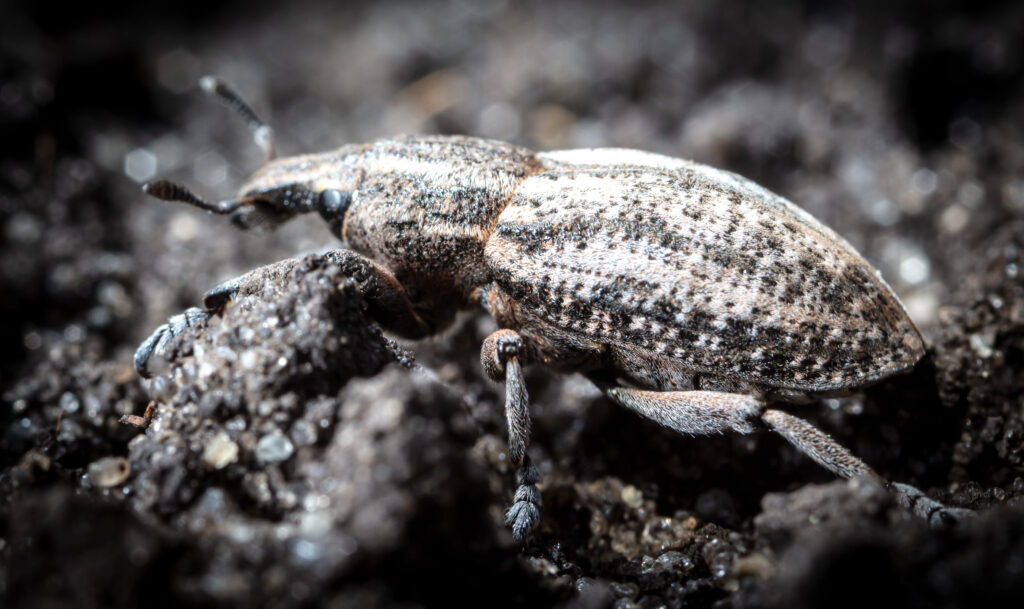
The deathwatch beetle earned its eerie name from the sound. In old houses, especially those with aged wood, people sometimes heard a faint tapping in quiet rooms. During long bedside vigils beside the sick or dying, that noise could feel like a countdown. People heard the beetle in the walls and imagined death knocking from inside the house.
The real explanation is less supernatural but still fascinating. Adult beetles make tapping sounds as part of mating behavior, often in old timber. The sound is quiet, rhythmic, and easy to notice at night when a house has gone still. In a time when families sat awake beside ill relatives, silence gave the beetle’s tiny noise enormous emotional power.
This myth shows how death omens often begin with timing. A bird calls near a funeral. A beetle taps near a deathbed. A moth appears in a sickroom. The animal or insect becomes attached to the event because humans remember patterns that feel meaningful, especially during fear and grief. The deathwatch beetle did not predict death. It entered folklore because grief made people listen differently.
Why Animals Become Death Omens in the First Place
Animals become linked to death for repeated reasons. Some eat carrion, so they appear after death. Some are nocturnal, so they become part of the fear of darkness. Some live near cemeteries, caves, ruins, or old houses, so people place them near the supernatural. Others have black coloring, unusual sounds, skull-like markings, or sudden movements that make the imagination work overtime.
These stories also reveal how humans handle uncertainty. Before modern medicine, a sudden illness could feel mysterious. Before artificial light, night sounds could feel personal. Before wildlife science, scavengers and predators seemed to arrive with hidden knowledge. Folklore gave people a way to explain fear, grief, and coincidence. It turned animals into signs because signs felt easier to understand than randomness.