When we think of ethnic foods, we often picture spicy Mexican tacos or hearty Italian pasta. But some beloved “ethnic” dishes actually originated in America.
While it’s easy to assume these dishes come from other countries, their histories reveal a story of cultural fusion and American creativity.
Let’s explore the truth behind iconic foods we call ethnic but were born in the United States. You may be surprised by the real origins of your favorite meals!
Corned Beef and Cabbage

Corned beef and cabbage is often considered an Irish staple, particularly around St. Patrick’s Day, but its origins are firmly American. Historically, the Irish did not eat beef for both economic and cultural reasons.
It wasn’t until Irish immigrants arrived in the U.S. and could finally afford meat that they turned to corned beef, popularized by Jewish-American butchers.
The dish as we know it today—served with cabbage and potatoes—was an American adaptation of both Irish and Jewish culinary practices.
German Chocolate Cake
Despite its name, German chocolate cake is American. Named for Samuel German, who invented a type of baking chocolate in 1852, the cake gained fame in Texas after a 1957 newspaper recipe.
The name’s shortening led to mistaken links to Germany, resulting in the appearance of a German dessert.
English Muffins
Though you might associate English muffins with the UK, they were actually invented in the U.S. by Samuel Bath Thomas in 1880. Originally known as a “toaster crumpet,” Thomas’s creation becamea popular breakfast bread in New York City.
Despite its U.S. roots, the muffin’s name derives from its association with British crumpets, and it wasn’t until the 1990s that the British public even knew the muffin existed. Today, “English muffins” are an American invention with no true equivalent in England.
Fettuccine Alfredo

Fettuccine Alfredo is another dish with an Italian name that is surprisingly American in origin. The dish was created by Alfredo di Lelio, a Roman restaurateur, but it didn’t become a worldwide sensation until it was introduced to Hollywood stars Mary Pickford and Douglas Fairbanks.
The couple’s love for the dish helped popularize it in the United States, where it evolved into the creamy, garlic-laden version we know today—far different from the simple Italian original. The dish’s journey from Rome to Hollywood made it an American culinary staple despite its Italian roots.
Spaghetti and Meatballs
Spaghetti and meatballs, a comfort food in America, began as an Italian-American adaptation. In Italy, meatballs (polpettes) were eaten alone or in soup, never with pasta.
Italian immigrants in the U.S., with affordable beef and canned tomatoes, created the spaghetti and meatballs dish that became a mainstay in Italian-American restaurants.
Fajitas
Fajitas are considered Mexican but originated in Texas. In the 1930s, Mexican ranch workers were paid in cheap cuts of beef, such as skirt steak, so they marinated and grilled the meat to tenderize it and served it on tortillas.
In 1969, Sonny Falcon brought fajitas to a wider audience at a Texas festival, making the dish a Tex-Mex favorite.
Crispy Tacos

The crispy taco shell we know and love today was invented in the U.S., not Mexico. Mexican-American entrepreneurs in the 1940s created the pre-fried taco shell to cater to American tastes.
The concept was popularized in the 1960s, when Glen Bell opened Taco Bell and introduced the crispy taco to a national audience. While tacos have long been a staple of Mexican cuisine, the American crispy taco shell revolutionized the dish, making it a global sensation.
Egg Rolls
Egg rolls, a classic of Chinese-American cuisine, were created in the U.S. by Chinese immigrants in the 1930s. The original Chinese spring roll is lighter and smaller.
The American version became heavier, often filled with pork, cabbage, and other vegetables, and wrapped in a thick, crispy skin. Egg rolls, now a popular takeout item, have no Chinese equivalent.
Clam Chowder
New England clam chowder is rooted in American culinary tradition. Inspired by European settlers, its present form—clams, potatoes, and milk—was perfected in the U.S.
American ingredients and methods shaped its signature taste, and the U.S. helped make clam chowder an iconic national dish.
Chicken Fried Steak
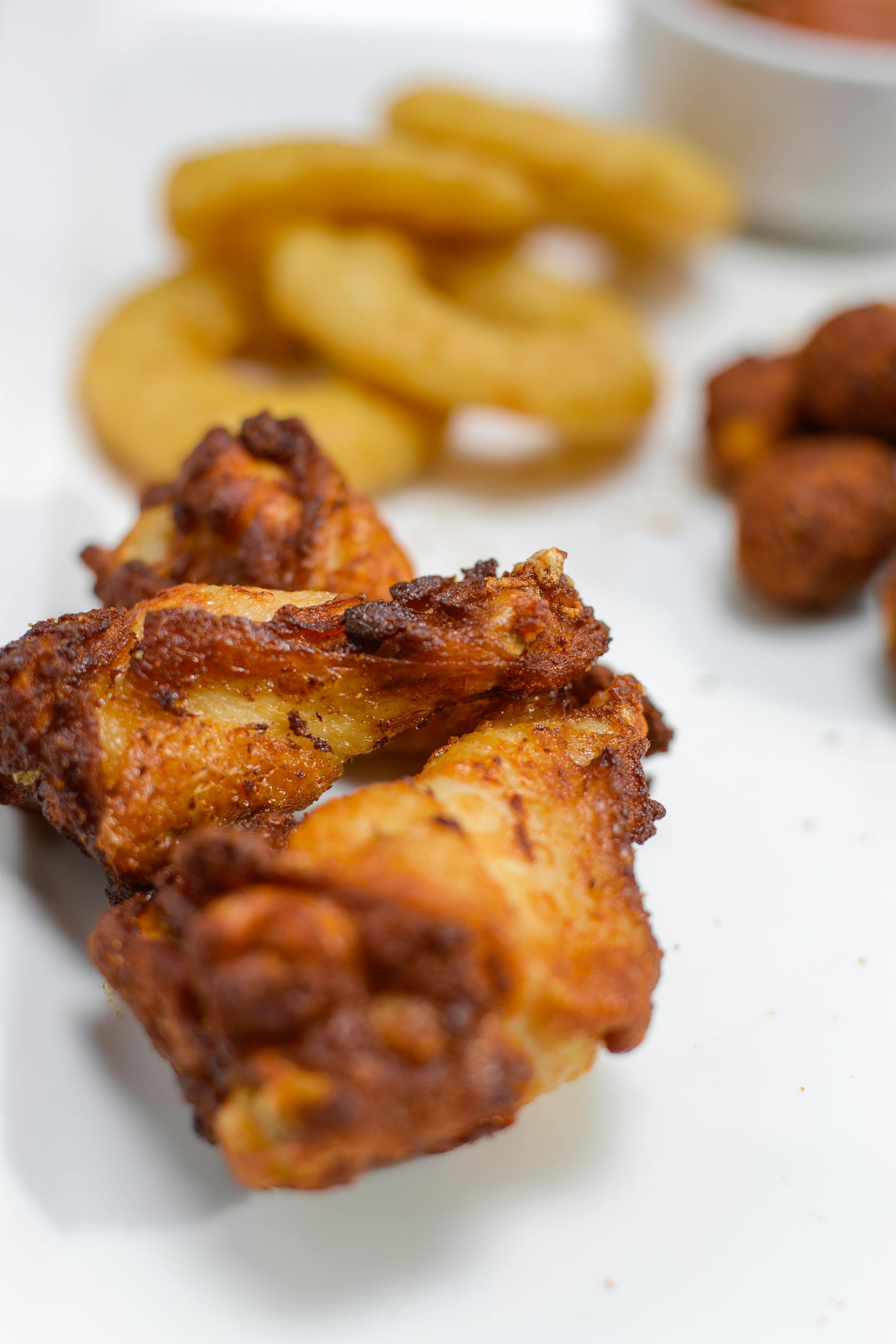
Chicken-fried steak is often mistaken for a Southern adaptation of European cuisine, but it’s an entirely American invention. Though it shares similarities with the Austrian dish Wiener Schnitzel, chicken-fried steak was created in the U.S. during the 19th century.
The dish consists of breaded and fried tenderized beef, typically served with gravy. It became a Southern classic and is now considered comfort food nationwide.
Conclusion
The next time you enjoy a dish you associate with another culture, remember that many of these “ethnic” foods have surprising American origins.
From corned beef and cabbage to fajitas, the United States has played a crucial role in shaping and popularizing dishes recognized worldwide.
While these foods may have been inspired by immigrant traditions, their true American roots are a testament to the nation’s ability to adapt and redefine global cuisines.