Jail food has a way of becoming a cultural punchline. People imagine gray mystery mush, a dented tray, and a plastic cup of something lukewarm. The reality is more unsettling because it is often less dramatic and more calculated.
Across American lockups, meals can be built around cheap starches, cold bag lunches, sugary canned fruit, and heavily processed items chosen because they are easy to store, fast to serve, and inexpensive to buy in bulk. Federal policy says incarcerated people should receive nutritionally adequate meals, but reporting and prison-food research show a system that is often shaped by cost pressure more than comfort, variety, or dignity.
That gap between what meals are supposed to be and what they often become helps explain why prison and jail food feels so shocking to outsiders. Impact Justice found that most states spend under $3 a day per person on prison food, with some spending as little as $1.02, and 94% of surveyed formerly incarcerated people said they did not get enough food to feel full.
In other words, the strange foods are not random. They are clues. They reveal a system built to stretch dollars, reduce risk, and keep bodies moving, even when taste and nutrition are hanging by a thread.
Nutraloaf
Few foods capture the bleak creativity of correctional meal systems like nutraloaf. This dense baked mash is not famous because it tastes good.
It is famous because it is meant not to. Impact Justice reported that at least 36 states require or allow an alternative meal as a disciplinary measure, and at least 18 states permit nutraloaf, which it describes as an intentionally unappetizing loaf made from mixed foods baked together. That makes it less of a meal and more of a message.
Cold Bologna Sandwiches
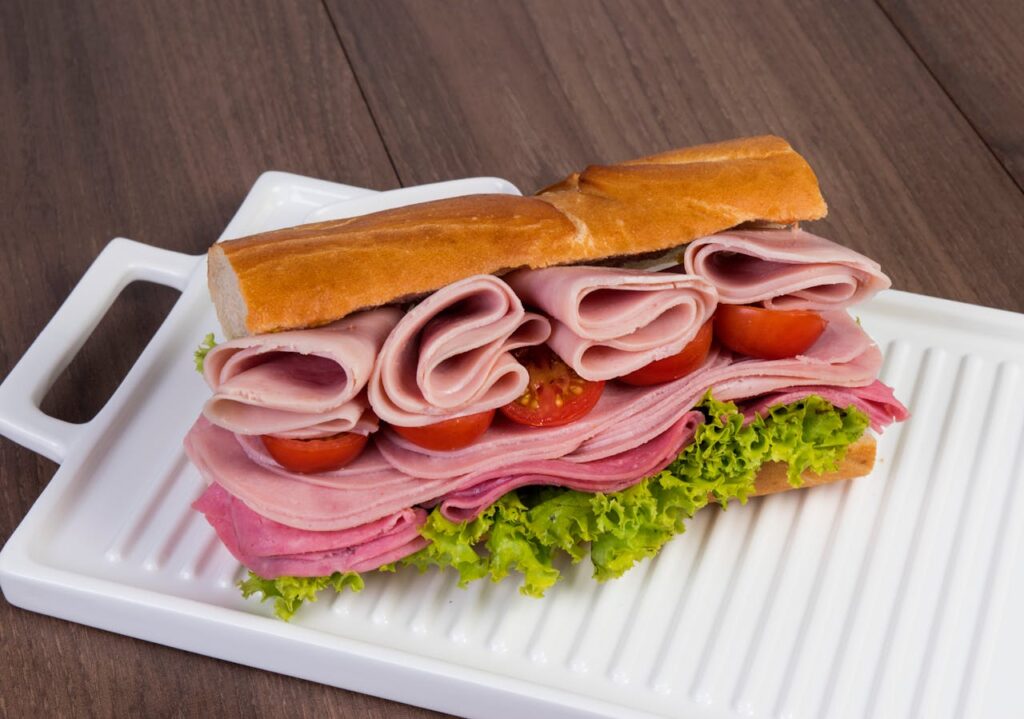
A sandwich sounds harmless until it becomes the whole story. The ACLU reported that during the pandemic, one jail served sack lunches, usually rotting bologna sandwiches, for each meal of the day for more than two years.
That detail lands hard because bologna is not just cheap protein in that setting. It becomes a symbol of repetition, neglect, and how convenience can quietly overpower nutrition when a facility decides that hot meals are no longer a priority.
Dry Cereal That Barely Feels Like Breakfast
There is something deeply revealing about “dry cereal” appearing in an institutional menu as if that alone solves breakfast.
Federal Bureau of Prisons menu documents show dry cereal, skim milk, coffee, and banana combinations on breakfast rotations, and they note cereal offerings such as corn or rice Chex, corn flakes, Rice Krispies, or equivalent. It is not glamorous, and it is not meant to be. It is breakfast reduced to shelf life, speed, and control.
Canned Fruit in Light Syrup
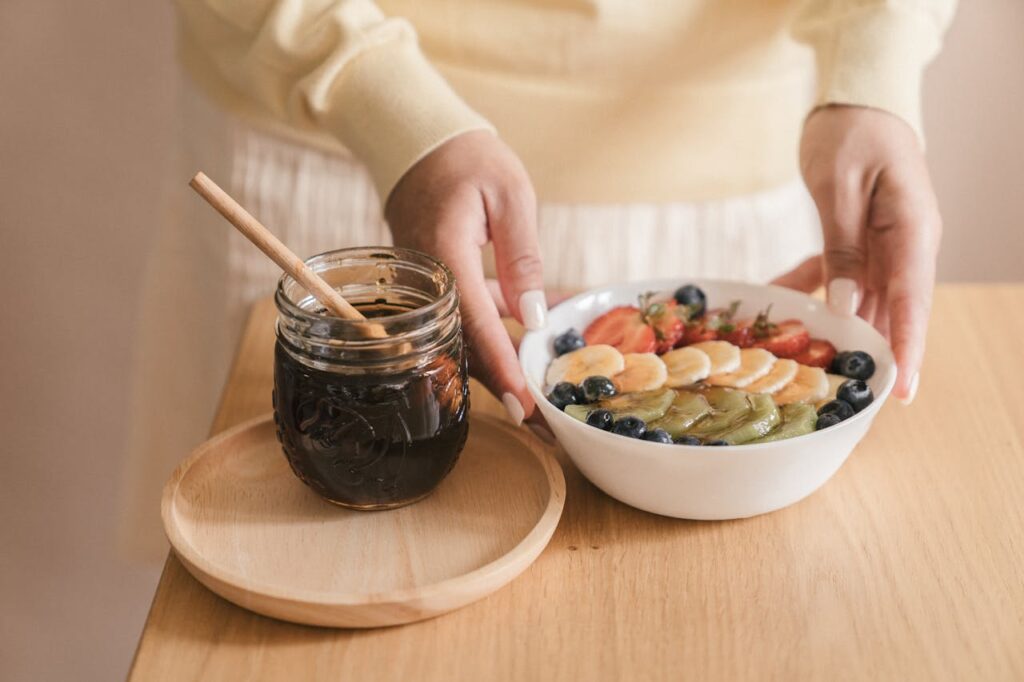
Fruit sounds healthy until the fine print shows up. Federal menu guidance states that canned fruit can substitute for a banana, but it must be canned in light syrup. That one detail tells you a lot about correctional food logic.
When fresh produce is hard to store, risky to manage, or too expensive to keep around in volume, the system reaches for fruit that can sit on a shelf, survive transport, and still count as fruit on paper.
Breakfast Cake
Yes, breakfast cake is a real menu item in federal prison documents, and it says a lot about how calories can sometimes matter more than nourishment. Bureau of Prisons menu pages list “breakfast cake” alongside dry cereal, skim milk, bread, jelly, and bananas. Impact Justice found that many prison systems lean heavily on refined carbohydrates such as white bread, biscuits, and cake to hit calorie targets.
That is the kind of menu choice that looks small until you realize it reflects a bigger pattern: feed the count first, worry about quality later.
Potato Chips in Bag Lunches
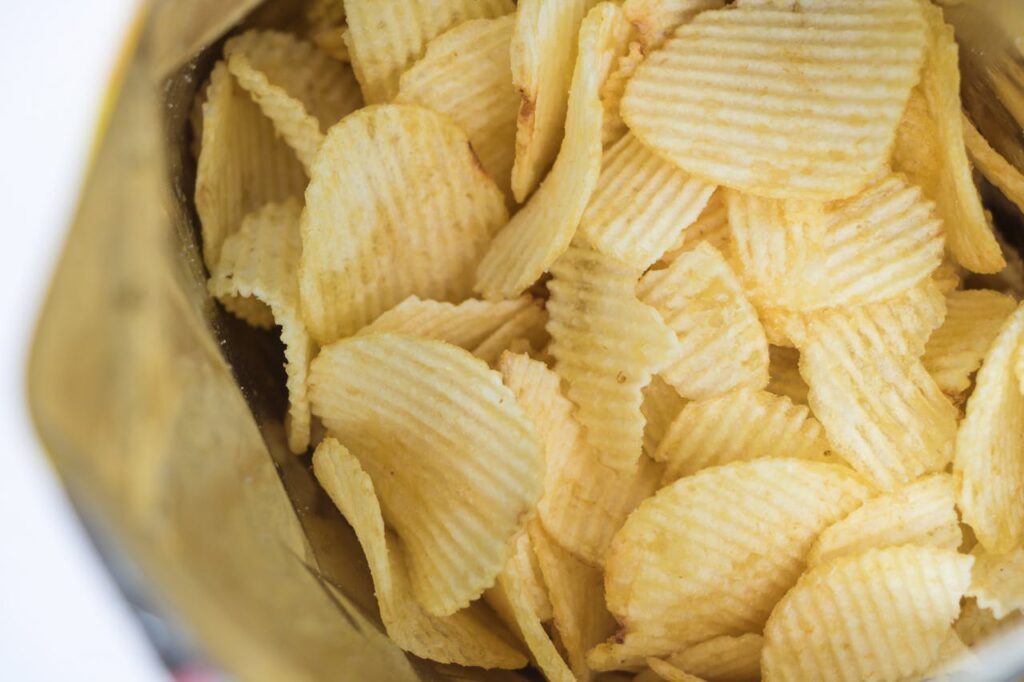
A prison bag lunch is not always the lean little sack meal people picture. Federal Bureau of Prisons alternate bag lunch guidance says a minimum lunch or dinner bag meal can include sandwiches, fruit, a beverage, and commercially packaged potato chips, especially when bag meals stretch beyond a few days.
The chips are not there because anyone believes they are the star of a healthy meal. They are there because sealed, stable, salty calories are easy to distribute, count, and keep.
Powdered Drinks Used Like Nutritional Patches
One of the strangest details in prison-food research is not even a full meal. It is the drink. Impact Justice reported that many prisons rely on fortified powdered beverage mixes as a primary source of essential nutrients because they are cheaper than serving nutrient-dense whole foods.
That means a brightly colored cup can end up doing the work that fresh vegetables, better proteins, and more balanced meals should have done in the first place. It feels less like nourishment and more like a budget workaround in liquid form.
Instant Ramen, the Unofficial Survival Food
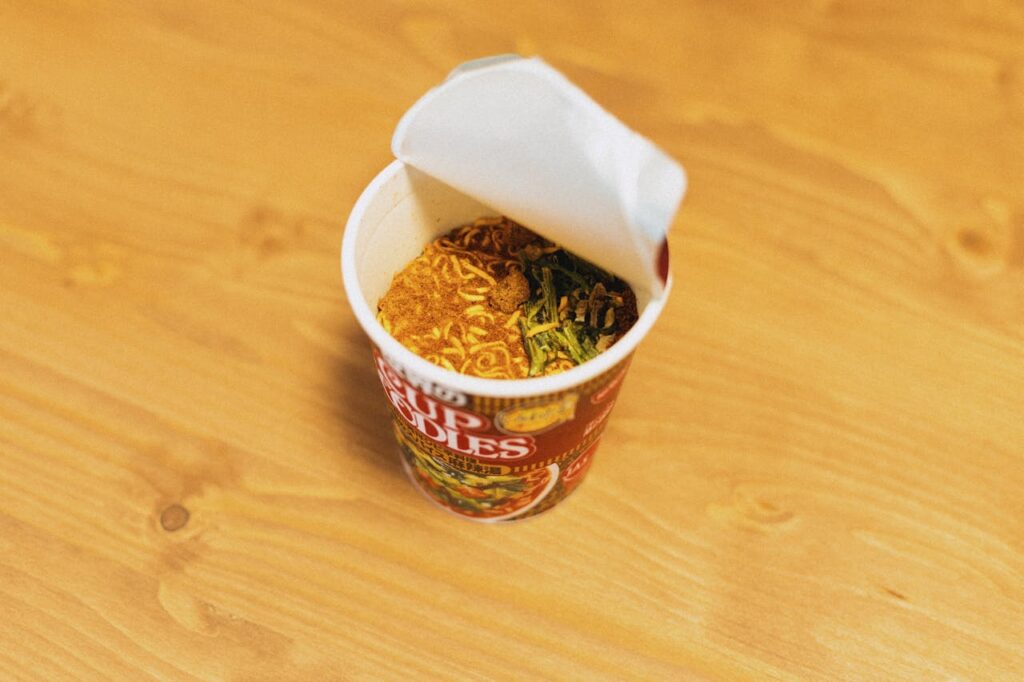
Impact Justice likewise notes that commissary foods such as instant ramen and macaroni and cheese are heavily processed, even if they offer people a rare chance to build meals that feel personal. In that world, ramen is not just food. It is a backup, a bargaining chip, and emotional comfort, all packed into one crinkly wrapper.
Ramen does not always arrive from the official kitchen, but it has become too central to ignore. TIME reported on research showing ramen became more valuable than tobacco in some prisons as food quality and quantity declined, with incarcerated people using it as trade currency because it is cheap, filling, and high in calories.