When it comes to food safety, most of us believe we’re doing everything right. But what we often overlook is that improper food storage can lead to a host of health risks, from foodborne illnesses to long-term chronic conditions.
While we may think that putting leftovers in the fridge or keeping raw meat in the freezer is all we need to do, the truth is far more complicated. Here are 10 dangerous food storage mistakes that could be silently sabotaging your health.
Ignoring Expiry Dates

It’s tempting to shrug off the expiration dates on food packages, but doing so could expose you to harmful bacteria. Expiry dates are set for a reason — to guarantee that the food is consumed while it’s still safe.
Consuming expired items, particularly perishable goods such as dairy, meat, and prepared meals, increases the risk of food poisoning. Even if the food looks fine, it could still contain dangerous pathogens.
Key Takeaway: Always check the dates and dispose of expired foods. Don’t rely on your senses to decide whether something is still good.
Storing Raw Meat in the Wrong Place
Storing raw meat in the fridge seems like a no-brainer, but are you placing it correctly? Meat should always be stored on the bottom shelf of the fridge to prevent any juices from dripping onto other foods.
Cross-contamination is a major risk, and improper storage can allow bacteria such as Salmonella or E. coli to spread.
Key Takeaway: Always store raw meat in sealed containers and on the lowest shelf in the fridge to avoid contamination.
Leaving Cooked Food Out Too Long
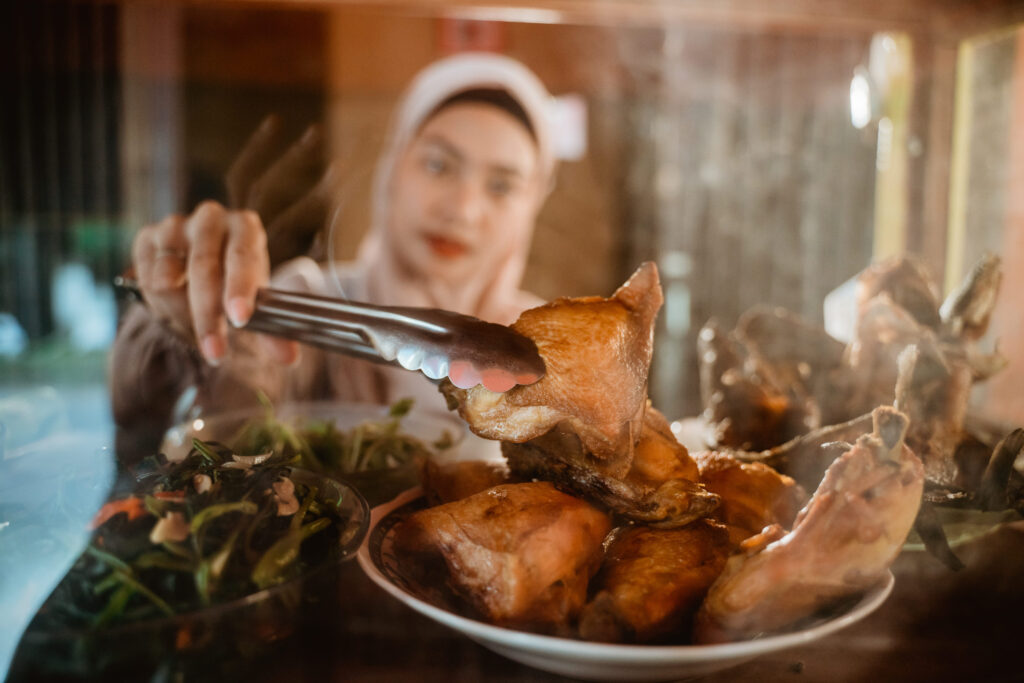
The “two-hour rule” is critical for cooked food. If you leave leftovers at room temperature for more than two hours, bacteria will begin to multiply rapidly. This can cause foodborne illnesses like Listeria and botulism.
It’s always better to refrigerate leftovers as soon as possible.
Key Takeaway: Don’t leave cooked food sitting out for long periods. Store it in airtight containers within two hours to keep harmful bacteria at bay.
Overpacking the Fridge
While it’s tempting to fit as much as possible into the fridge, overpacking it can restrict airflow and prevent the appliance from maintaining a consistent temperature. This increases the risk of food spoilage, particularly in warmer areas of the fridge, such as the door.
This can affect perishables such as fruits, vegetables, and dairy products, which are more sensitive to temperature changes.
Key Takeaway: Don’t overcrowd your fridge. Leave space for air circulation and ensure even cooling to maintain food safety.
Storing Bread in the Fridge
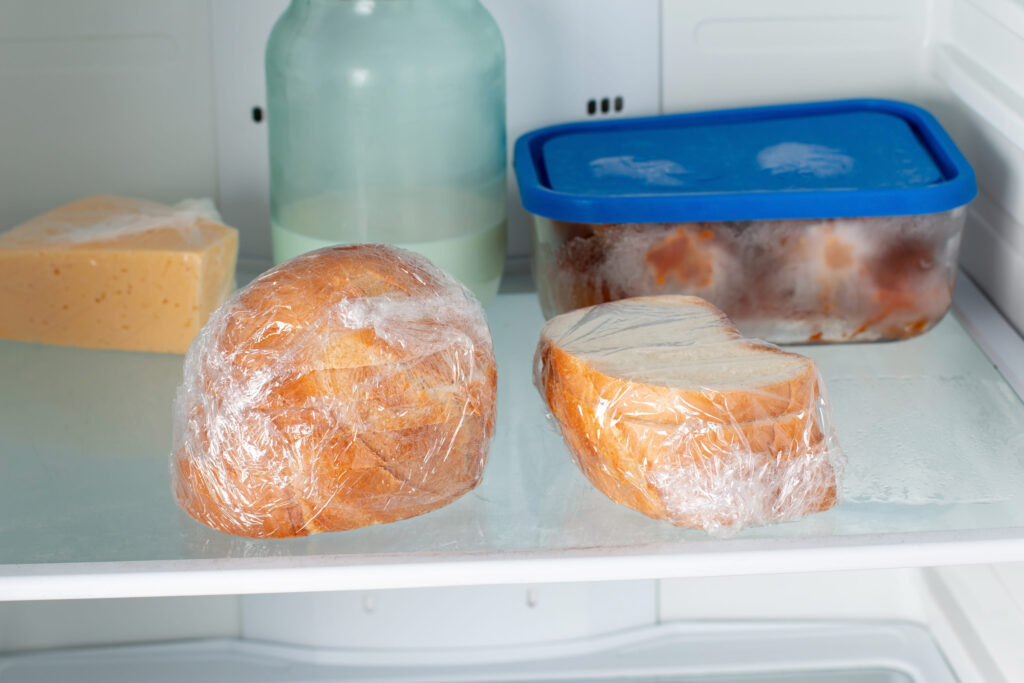
While refrigerating bread might seem like a good way to extend its shelf life, it actually speeds up staling. Bread stored in the fridge dries out faster, losing its soft texture and flavor.
Instead, keep bread at room temperature in a cool, dry place, or freeze it for longer storage.
Key Takeaway: Keep bread out of the fridge. Store it in a bread box or freezer for freshness.
Not Using the Right Containers for Leftovers
Plastic containers can warp and leach harmful chemicals when used repeatedly, especially when they’re exposed to high heat. Leftovers should be stored in airtight glass or BPA-free plastic containers.
Not only do these prevent contamination, but they also keep your food fresher for longer.
Key Takeaway: Invest in high-quality, airtight containers for storing leftovers. Glass or BPA-free plastic are the best choices.
Storing Produce in the Fridge Unnecessarily
Some fruits and vegetables, like bananas, tomatoes, potatoes, and onions, should not be refrigerated. Cold temperatures can alter their texture and flavor, and in some cases, cause them to spoil faster.
Instead, keep them in a cool, dark place, such as a pantry or countertop, to maintain their freshness.
Key Takeaway: Not all produce needs to be refrigerated. Know which foods to keep at room temperature for optimal storage.
Freezing Food Improperly
Freezing food is a great way to preserve it, but if done incorrectly, you could compromise its quality and safety. Improperly sealed packages can result in freezer burn, which makes food dry, tough, and tasteless.
It’s important to wrap items properly, removing excess air from bags and containers, and label them with freezing dates for better organization.
Key Takeaway: Properly seal frozen foods to prevent freezer burn. Use airtight bags or containers and label everything for easy tracking.
Storing Food in Metal Cans After Opening
Once you open a can, it’s tempting to store leftovers in the same container. However, metal cans can rust and leach chemicals into your food over time.
Always transfer any leftover canned food into glass or plastic containers before refrigerating.
Key Takeaway: Don’t store food in open metal cans. Always transfer leftovers to airtight glass or plastic containers.
Not Cleaning Your Fridge Regularly
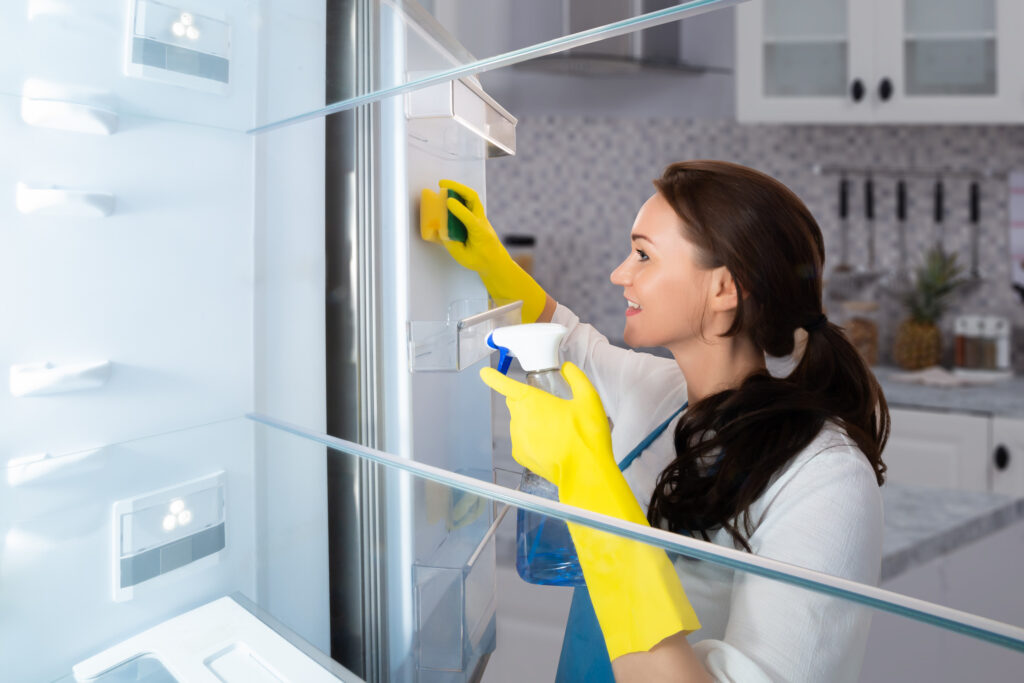
Food spills, crumbs, and even mold can accumulate in your fridge over time, creating the perfect environment for bacteria to thrive. Regular cleaning of the fridge not only improves food storage conditions but also helps prevent contamination.
Clean your fridge every 1-2 weeks with a mild cleaning solution.