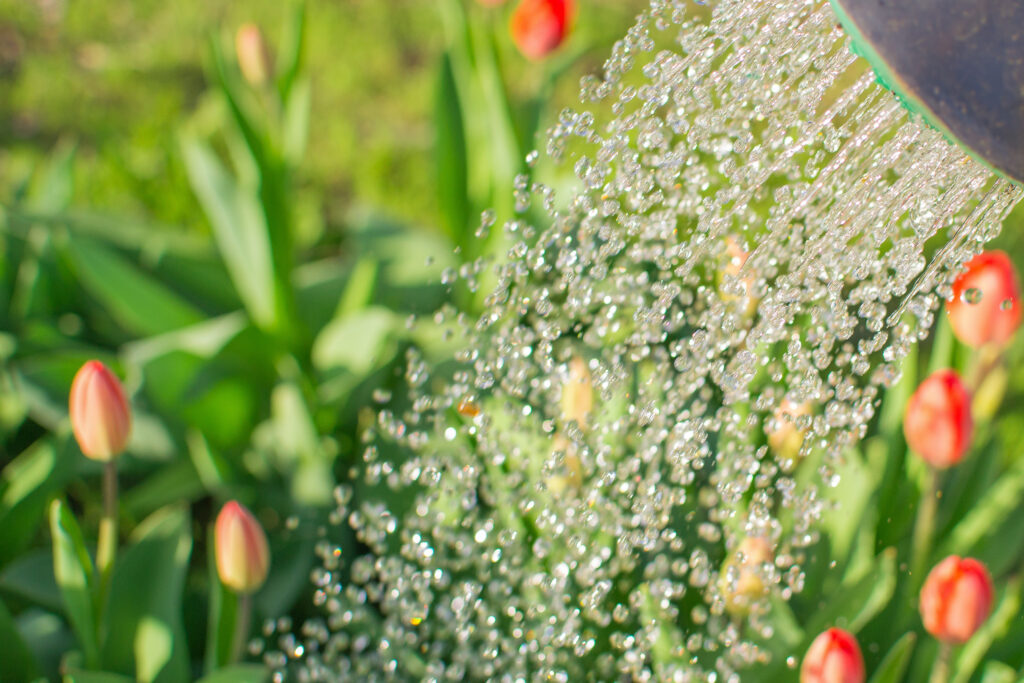
Watering plants seems like a simple task, but believe it or not, it’s one of the easiest ways to accidentally harm your beloved greenery.
Even the most well-intentioned plant parent can make small mistakes that result in unhealthy, wilting, or even dying plants. In this article, we’ll uncover the 10 most common watering habits that can do more harm than good, no matter how healthy your plants appear.
Watering Too Frequently
Plants, especially indoor ones, do not need to be watered every day. Overwatering can lead to root rot, a deadly condition where roots become waterlogged and suffocate.
The trick is to let the soil dry out between waterings—it’s essential to check the moisture level before adding more water.
Watering at the Same Time Every Day
Consistency is key, but not when it comes to the time of day you water your plants. Watering at the same time every day may not align with the plant’s circadian rhythm.
It’s best to water in the morning or early afternoon, allowing the soil to absorb moisture before the temperatures drop.
Using Cold Water
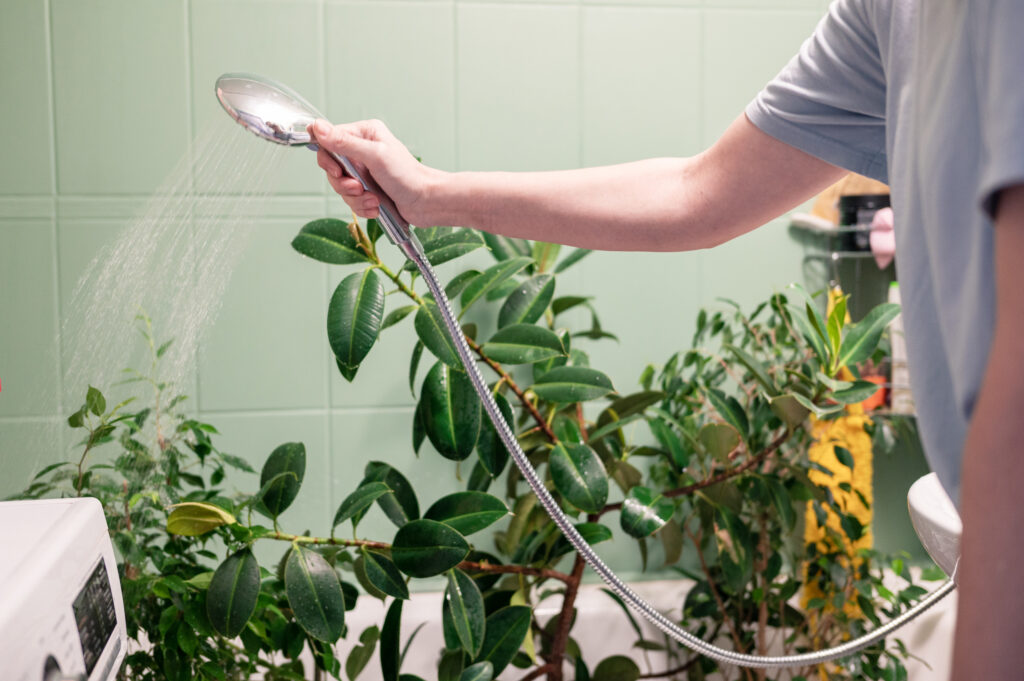
Water that’s too cold can shock plant roots and disrupt their normal functioning.
Instead, let your water sit for a bit to reach room temperature before watering your plants. Lukewarm water is easier for plants to absorb, promoting overall growth.
Watering Without Checking the Soil
A common mistake is watering plants without checking if the soil needs it. Sometimes, the top layer of soil may look dry, but the deeper layers might still be moist.
Always insert your finger into the soil a couple of inches deep to check the moisture level before watering.
Not Draining Properly
Waterlogged pots without drainage holes can drown plant roots. Always ensure your plant containers have proper drainage holes to allow excess water to escape.
If you’re reusing containers without drainage, consider adding some gravel or rocks at the bottom to improve water flow.
Watering Until It Runs Out the Bottom

Though watering until water drains from the bottom may seem like a good idea, it can often lead to a mess. Overwatering can cause nutrient loss and prevent roots from getting the oxygen they need.
Instead, aim to water thoroughly but not excessively, allowing the soil to absorb moisture without flooding the roots.
Using Tap Water Directly
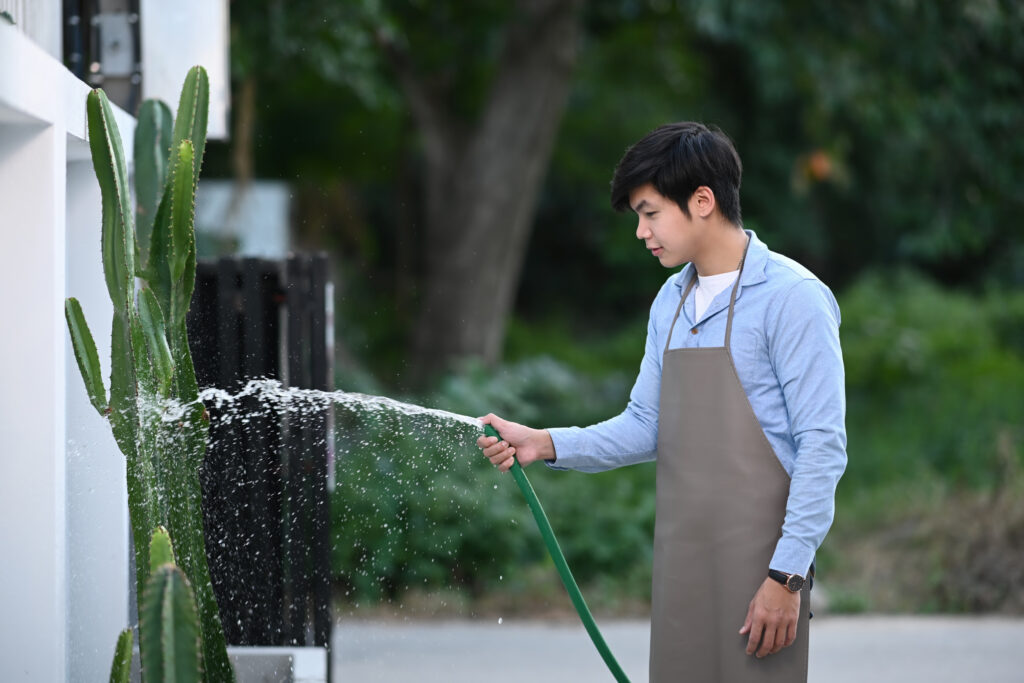
Tap water can contain chemicals like chlorine and fluoride, which may not be ideal for sensitive plants.
These chemicals can accumulate in the soil over time and cause harm. Using filtered or distilled water, or allowing tap water to sit for 24 hours before using it, can minimize these issues.
Watering with a Strong Stream
When watering, avoid a heavy stream that floods your plants. A strong force can disturb the soil, wash away nutrients, or even damage delicate roots.
A gentle, slow stream is best to ensure even coverage and prevent topsoil erosion.
Ignoring Seasonal Changes
Your plants’ watering needs change with the seasons. During colder months, most plants go into dormancy and require less water.
In contrast, hot summer months may demand more frequent watering. Adjust your watering schedule accordingly, and avoid the temptation to water plants the same way year-round.
Watering Only the Leaves
Watering the leaves of your plants may seem like a shortcut, but it’s not enough for the roots, where most of the plant’s hydration needs are met.
Watering directly at the soil level ensures the roots receive proper hydration, promoting healthier growth.